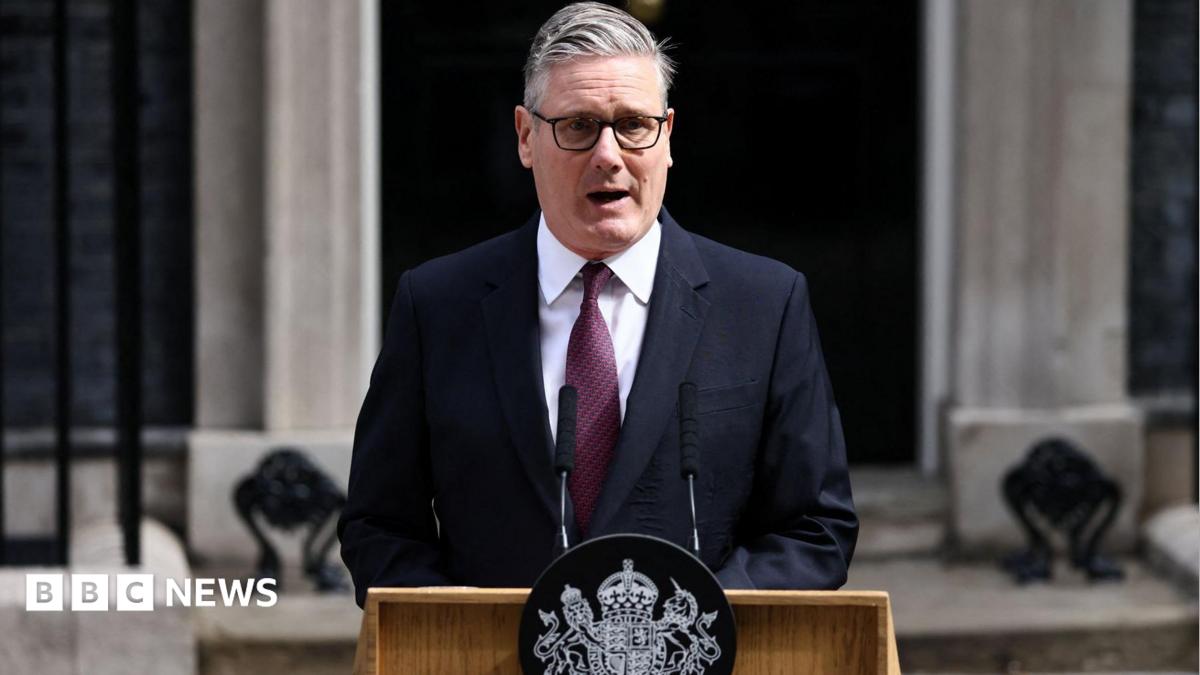
Keir Starmer Steps Down as UK Prime Minister and Labour Party Leader Amid Political Turmoil
UK Prime Minister Keir Starmer has officially announced his resignation as leader of the Labour Party and as head of government, marking a dramatic shift in British politics. The decision, confirmed in a statement released late Tuesday, comes after just 22 months in office and amid growing internal party tensions and public scrutiny. Starmer’s departure follows weeks of speculation about his leadership, with sources indicating that a lack of policy momentum and electoral challenges contributed to his exit.
The Announcement and Immediate Reactions
Starmer’s resignation was disclosed in a brief statement from his office, which cited “personal and professional reasons” for the move. The statement emphasized his commitment to the Labour Party’s long-term goals but acknowledged the need for “fresh perspectives” during a critical period. “I have always prioritized the interests of the party and the people of the UK,” Starmer said. “This decision was not made lightly, but it is the right course of action at this time.”
Political analysts and opposition figures responded swiftly. Conservative Party leader Rishi Sunak stated, “This is a significant moment for the UK. The Labour Party must now focus on unity and clear direction to rebuild public trust.” Meanwhile, Labour MPs expressed mixed reactions. Some praised Starmer’s transparency, while others questioned the timing of his departure. “This is a setback for the party’s stability,” said one senior MP, who requested anonymity due to the sensitivity of the situation.
Key Events Leading to the Resignation
Starmer’s tenure as prime minister was marked by a series of challenges, including a difficult post-pandemic economic recovery, strained relations with the European Union, and internal disputes within Labour. His government’s early focus on fiscal restraint and public sector reforms faced criticism from both left-wing factions and pro-business groups. A major turning point came in late 2023, when Labour’s poll numbers began to decline following a series of policy missteps and a controversial trade agreement with the EU.
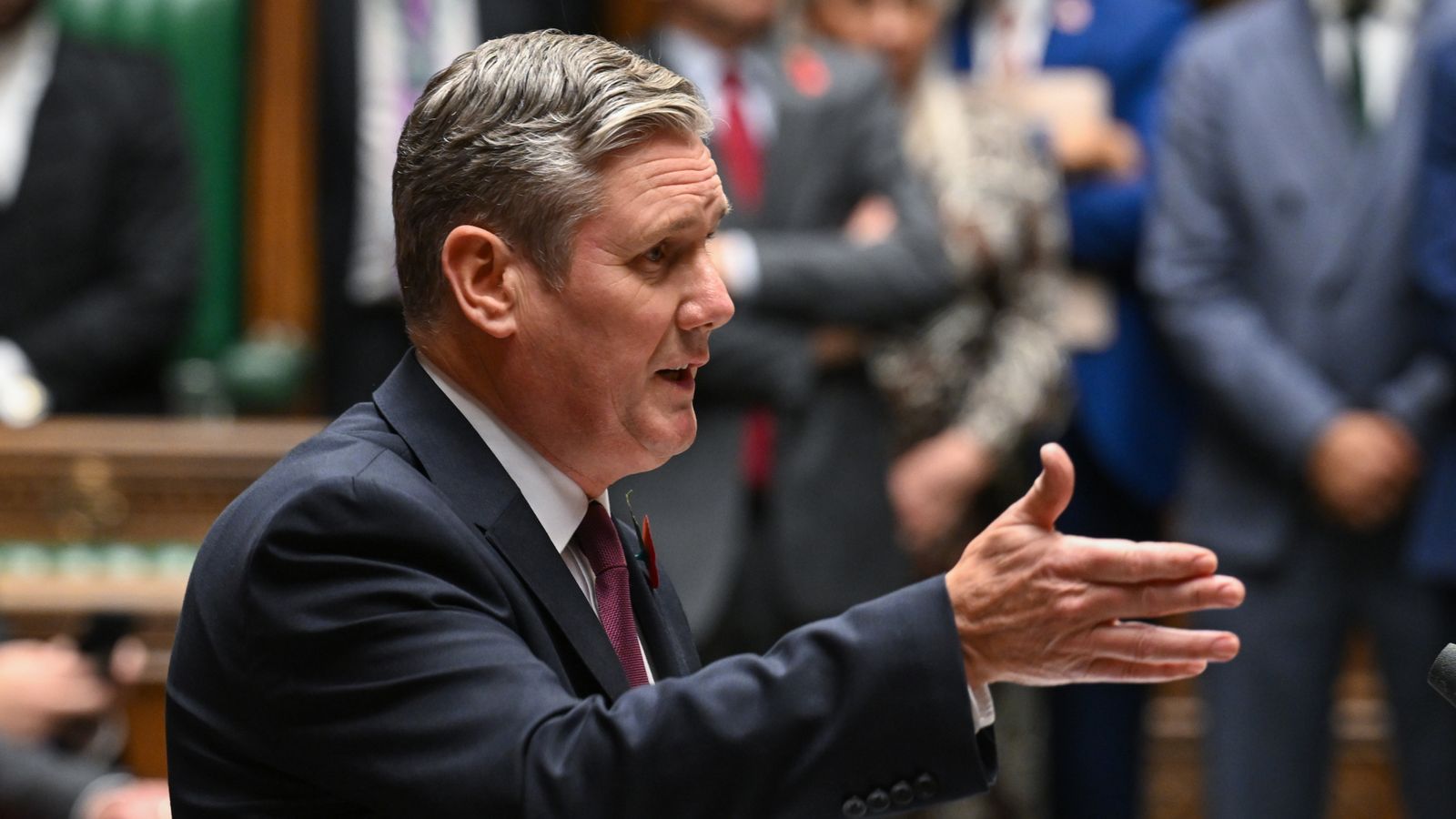
According to a report by the Institute for Public Policy Research, Labour’s approval ratings dropped from 42% in early 2023 to 33% by the end of the year. The decline coincided with a surge in support for the Conservative Party, which capitalized on public dissatisfaction with inflation and energy costs. “The party’s inability to present a cohesive vision for the future eroded voter confidence,” said Dr. Emily Carter, a political scientist at the London School of Economics.
Who Is Involved?
The resignation has triggered a leadership race within the Labour Party, with several high-profile figures expected to step forward. Shadow Chancellor Rachel Reeves and Home Secretary Yvette Cooper are among the front-runners, according to political analysts. Both have emphasized the need for a “bold and unifying” agenda to restore Labour’s electoral prospects.
Starmer’s departure also raises questions about the party’s future strategy. His predecessor, Jeremy Corbyn, had faced similar challenges during his 2015-2020 leadership, and some critics argue that Labour’s current struggles reflect deeper structural issues. “The party must address its internal divisions and reconnect with working-class voters,” said Mark D’Arcy, a former Labour MP and current political commentator.
Context and Broader Implications
The resignation occurs against a backdrop of heightened political instability in the UK. Recent years have seen frequent changes in leadership, with three prime ministers in as many years. Analysts suggest that Starmer’s exit could accelerate efforts to reform the party’s internal processes and decision-making structures.
Historically, Labour leadership changes have often been linked to electoral cycles. For instance, Tony Blair’s resignation in 2007 followed a decline in public support, and Gordon Brown’s tenure ended after a disastrous 2010 election. Starmer’s situation shares similarities with these precedents, though his short tenure makes it unique. “This is a pivotal moment for Labour to re-evaluate its approach to governance and policy,” said Dr. Sarah Williams, a political historian at the University of Manchester.
What Happens Next?
With Starmer’s resignation, the Labour Party will now enter a period of transition. A leadership election is expected to be announced within the next two weeks, with candidates required to submit their nominations by early April. The process will likely involve a vote among party members and affiliated unions, though the exact details remain under discussion.

The timing of the leadership race coincides with the upcoming local elections in May, which are seen as a crucial test for both major parties. Labour’s performance in these contests could influence the direction of the leadership race and the party’s overall strategy. “The next few months will be decisive for Labour’s ability to regain momentum,” said Nicky Morgan, a former Conservative minister and current political analyst.
Public and Media Response
The resignation has sparked a wave of commentary in the media and public discourse. Some outlets have framed Starmer’s departure as a necessary step to address the party’s challenges, while others have questioned the timing and potential fallout. The BBC reported that a majority of readers surveyed expressed concern about the impact on government stability, with 58% stating that they believe the resignation will complicate the UK’s political landscape.
In contrast, The Guardian highlighted the resignation as a sign of “political accountability,” noting that Starmer’s decision reflects a willingness to step aside for the party
