
Israel Expects Donald Trump to Prevent an Iranian Nuclear Weapon: Strategic Shifts and Security Risks
Israel anticipates that a second Donald Trump presidency would lead to more aggressive measures to stop Iran from acquiring a nuclear weapon, according to reporting by The Jerusalem Post. This expectation coincides with assertions from Israeli officials that the state must maintain the independent right to strike Iranian nuclear facilities, regardless of any potential diplomatic agreements between the United States and Tehran.
Why does Israel expect Donald Trump to stop Iran’s nuclear program?
Israeli strategic planning is increasingly factoring in the possibility of a return to “maximum pressure” policies. According to The Jerusalem Post, there is a prevailing expectation within Israeli political and security circles that Donald Trump would prioritize the prevention of an Iranian nuclear weapon through a combination of severe economic sanctions and strategic deterrence.
This expectation stems from the precedent set during Trump’s first term, specifically his 2018 withdrawal from the Joint Comprehensive Plan of Action (JCPOA). By removing Iran from the 2015 nuclear deal, the previous U.S. administration sought to replace the agreement’s limits with a more comprehensive set of restrictions covering ballistic missiles and regional proxy activities. Israeli officials view this approach as more aligned with their own goal of total prevention rather than mere containment of Iran’s nuclear capabilities.
The current Israeli leadership views the Trump approach as a necessary counterweight to diplomatic efforts that they argue leave too many loopholes. The core of the Israeli expectation is that a Trump administration would be less likely to accept a “breakout time”—the time required to produce enough fissile material for one bomb—of several months, pushing instead for a permanent cessation of uranium enrichment.
Key elements of the expected Trump-era strategy include:
- Aggressive Sanctions: Re-imposing and expanding sanctions on Iranian oil exports to deplete the regime’s financial resources.
- Diplomatic Isolation: Pressuring international partners to abandon any remnants of the JCPOA.
- Direct Deterrence: Signaling a willingness to use military force if diplomacy fails to halt enrichment.
Will Israel maintain the right to strike Iranian nuclear facilities?
Despite the hope for U.S. intervention, Israel is explicitly asserting that it will not delegate its national security to a foreign power. Foreign Minister Israel Katz stated, according to The Times of Israel, that Israel must retain the freedom to conduct military strikes against Iran to stop its nuclear program. This statement comes amid reports and discussions regarding a potential imminent deal between the U.S. and Iran.

Katz’s position reflects a deep-seated distrust of diplomatic frameworks. The Israeli government argues that treaties often provide a veneer of legality while allowing Iran to continue covert research or development. By insisting on the “freedom to strike,” Israel is signaling to both Washington and Tehran that it views a nuclear-armed Iran as an existential threat that justifies unilateral military action.
This stance creates a complex diplomatic dynamic. While Israel seeks the political and logistical support of the U.S., it refuses to grant the U.S. a veto over its kinetic options. The tension lies in the potential for a U.S. administration to reach a deal that stabilizes the region but, in Israel’s view, leaves the nuclear threat partially intact.
| Strategic Approach | Diplomatic/Deal-Based (JCPOA Style) | Unilateral/Kinetic (Israeli Preference) |
|---|---|---|
| Primary Goal | Delaying nuclear breakout via monitoring | Permanent destruction of nuclear infrastructure |
| U.S. Role | Lead negotiator and guarantor | Logistical support and diplomatic cover |
| Risk Factor | Potential for “cheating” or expiration of limits | Risk of regional war and Iranian retaliation |
How is Iran limiting the IDF’s freedom of action?
While political leaders emphasize the right to strike, military officials are warning of growing operational challenges. According to reports from Haaretz, Israeli defense officials have warned that Iran has succeeded in limiting the Israel Defense Forces’ (IDF) freedom of action. This limitation is not necessarily a result of a single weapon system but a broader strategy of “deterrence through entanglement.”
Iran’s strategy involves building a dense network of proxies—the “Axis of Resistance”—across Lebanon, Syria, Iraq, and Yemen. By embedding military assets within civilian populations and creating overlapping layers of missile and drone defenses, Iran forces the IDF to calculate the cost of any strike more carefully. Defense officials suggest that the risk of a massive, multi-front retaliation now weighs more heavily on operational decisions than it did in previous years.
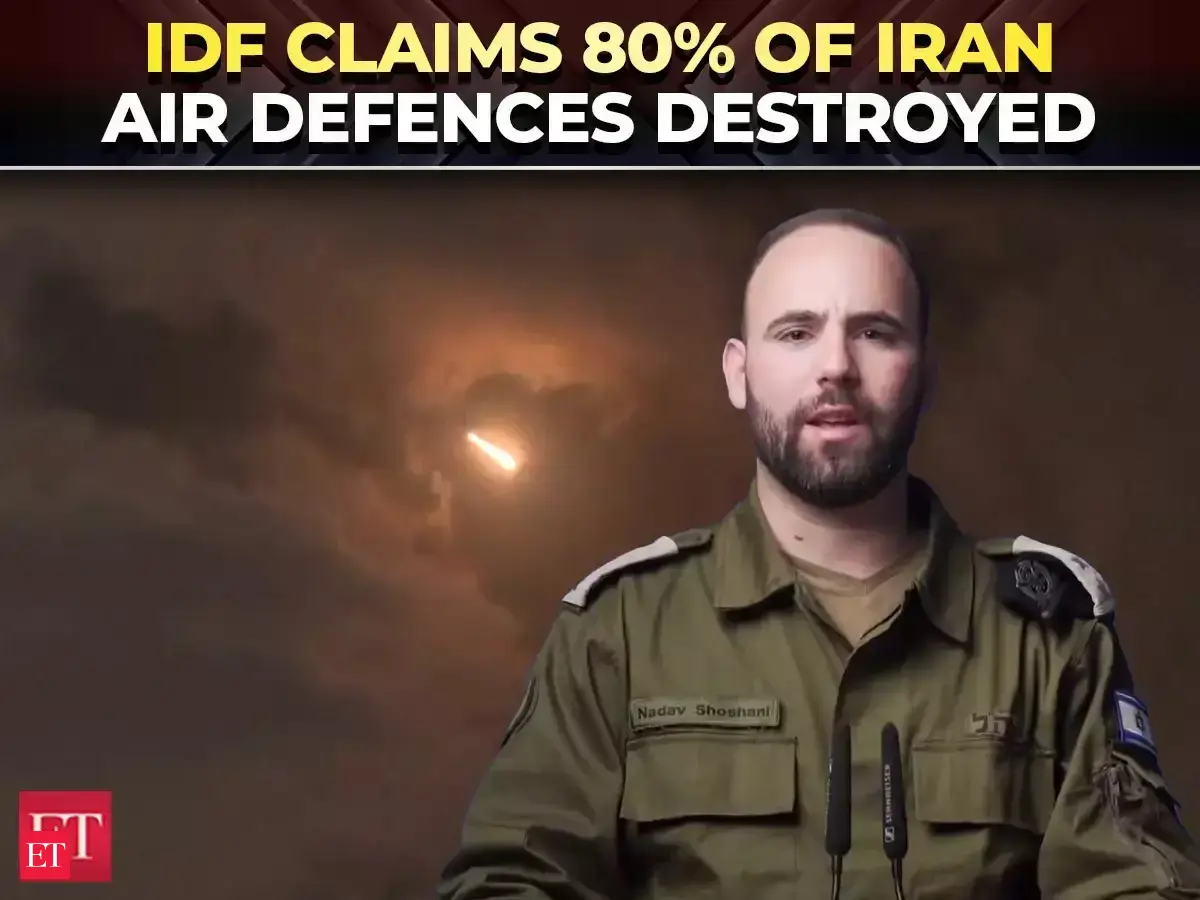
The limitation of “freedom of action” manifests in several ways:
- Intelligence Compromise: Increased Iranian capabilities in electronic warfare and counter-intelligence.
- Proxy Saturation: The sheer volume of Hezbollah and militia rockets makes it difficult for Israel to neutralize all threats before a strike.
- Political Cost: The high risk of civilian casualties in proxy-held areas, which can lead to international condemnation and pressure from allies.
This intelligence and operational reality provides a stark contrast to the political rhetoric. While Minister Katz asserts the right to strike, the defense establishment is highlighting the increasing difficulty of doing so without triggering a catastrophic regional escalation.
What is the current state of the military campaign in Lebanon?
The tension between Israel and Iran is currently playing out most violently in Lebanon. According to France 24, Israel has vowed to press its military campaign in Lebanon despite warnings from Iran of a “severe” response. This campaign is viewed by Israeli officials as a necessary step to degrade Hezbollah’s capabilities, which serve as Iran’s primary deterrent against an Israeli strike on Iranian soil.
The logic of the current campaign is based on the premise that Israel cannot address the nuclear threat in Tehran while Hezbollah maintains a massive arsenal of precision-guided missiles on its northern border. By pushing the military campaign forward, Israel aims to push Hezbollah forces back from the border, thereby reclaiming the operational freedom that Haaretz reports has been eroded.
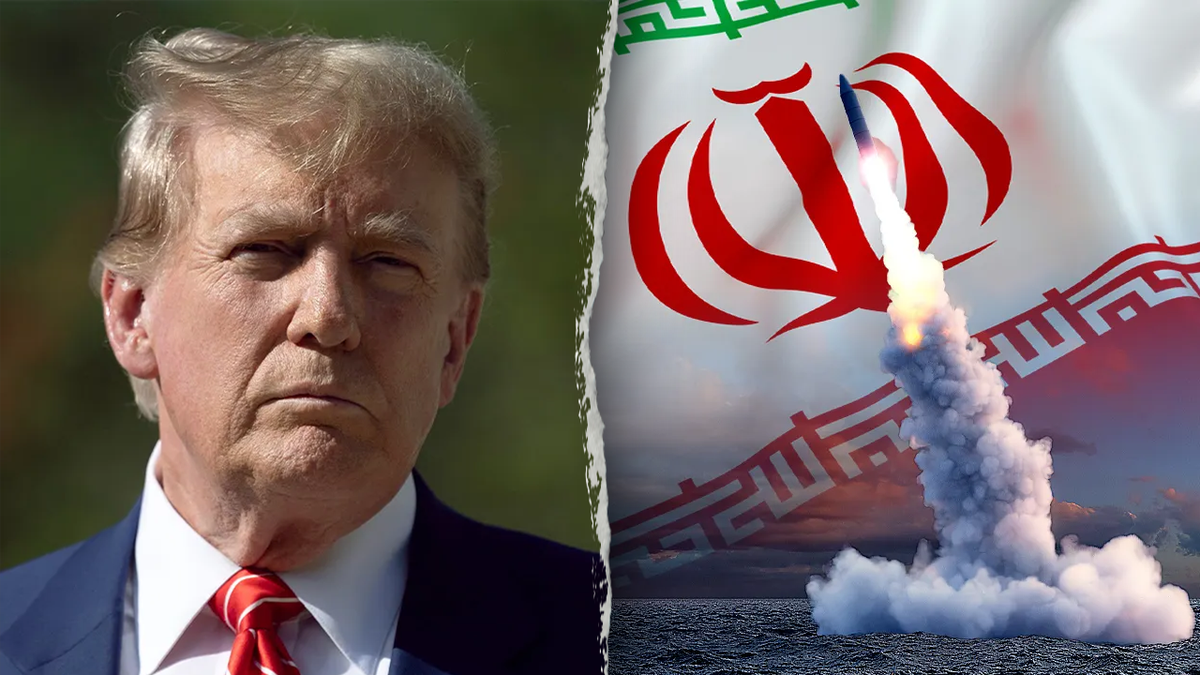
Iran’s warning of a “severe” response suggests that Tehran is willing to risk direct involvement to protect its primary regional asset. This creates a dangerous feedback loop: Israel strikes Lebanon to enable a potential strike on Iran, while Iran threatens Lebanon’s defenders to prevent a strike on its nuclear sites.
The campaign in Lebanon is characterized by:
- Targeted Assassinations: Removing high-level Hezbollah commanders to disrupt the chain of command.
- Infrastructure Destruction: Striking missile depots and communication hubs.
- Border Buffer Zones: Attempting to create a physical distance between Hezbollah militants and Israeli towns.
Who is pushing for harsher internal measures against Iranian proxies?
Beyond the military and diplomatic spheres, there is significant internal political pressure within Israel to adopt more aggressive tactics. The Jerusalem Post reports that Itamar Ben-Gvir, a key figure in the Israeli government, has proposed the arrest of the families of Hezbollah members.
This proposal represents a shift toward a strategy of collective pressure, aiming to create internal strife within Hezbollah by targeting the social and familial networks of its combatants. Ben-Gvir’s approach is focused on the domestic front and the immediate border, arguing that the threat can be mitigated by making the cost of membership in Iranian-backed militias unbearable for the individuals involved.
Such proposals are often met with skepticism by the security establishment, which warns that targeting non-combatant family members could alienate local populations and provide Iran with a propaganda victory. However, the prominence of these suggestions indicates a growing appetite within the Israeli right-wing for measures that go beyond traditional military engagement.
The internal debate highlights two diverging philosophies of security:
- The Security Establishment: Focuses on surgical strikes, intelligence, and strategic deterrence to avoid total war.
- The Political Right: Advocates for maximum pressure, collective deterrence, and the aggressive removal of all Iranian influence regardless of the immediate diplomatic cost.
The intersection of U.S. politics and Israeli security
The overarching theme of current Israeli strategy is the synchronization of internal military action with external political alignment. The expectation that Donald Trump will prevent an Iranian nuclear weapon is not a passive hope but a strategic pillar. If Israel believes a U.S. administration will provide the necessary sanctions and diplomatic cover, it may feel more emboldened to take the “freedom to strike” mentioned by Minister Katz.
However, the risks remain high. If a U.S. administration pursues a deal that Israel finds unacceptable, the likelihood of unilateral Israeli action increases. This scenario would place the U.S. in a difficult position: either supporting an action that destroys a diplomatic effort or opposing an ally’s perceived existential security need.
Moreover, the reports from Haaretz regarding the limited freedom of the IDF suggest that regardless of who sits in the White House, the physical and operational reality on the ground is becoming more restrictive. A nuclear-capable Iran would fundamentally change the calculus, potentially rendering “maximum pressure” obsolete and making kinetic strikes the only remaining—albeit far more dangerous—option.
The strategic landscape is currently defined by three competing pressures:
- The Diplomatic Pressure: The drive for a deal to prevent a nuclear breakout without war.
- The Military Pressure: The need to degrade Hezbollah in Lebanon to restore IDF freedom of action.
- The Political Pressure: Internal demands for harsher, unconventional measures against Iranian proxies.
Frequently Asked Questions
Does Israel believe Donald Trump is the only way to stop Iran’s nuclear program?
While Israel maintains it has the independent capability and right to strike nuclear sites, reporting from The Jerusalem Post suggests that Israeli officials view a Trump administration’s “maximum pressure” approach as the most effective non-military deterrent.
What did Israel Katz mean by “freedom to strike”?
According to The Times of Israel, Minister Katz is asserting that Israel will not allow any U.S.-Iran diplomatic agreement to prevent Israel from taking military action if it determines that Iran is reaching a nuclear threshold.
Why is the IDF’s “freedom of action” being limited?
As reported by Haaretz, Iranian-backed proxies have created a complex environment of missile threats and civilian embedding, which increases the risk of retaliation and complicates the execution of surgical strikes.
How does the conflict in Lebanon relate to Iran’s nuclear ambitions?
Israel views Hezbollah as Iran’s primary regional deterrent. By pressing a military campaign in Lebanon, as reported by France 24, Israel aims to weaken this deterrent, thereby making a potential strike on Iran’s nuclear facilities more feasible.
What is the proposal regarding Hezbollah members’ families?
Itamar Ben-Gvir has proposed arresting the families of Hezbollah members to pressure the organization from within, according to The Jerusalem Post, though this remains a controversial political proposal rather than official military policy.
For more on regional dynamics, see a related explainer on the Axis of Resistance and the history of the JCPOA sanctions.
