
Ireland’s Transport Sector Under Scrutiny: How Fossil Fuel Dependency Exposes Households to Fuel Price Volatility
Dublin, Ireland — Ireland’s heavy reliance on fossil fuels for transportation is leaving households vulnerable to sharp price swings, according to multiple reports and expert warnings. With global oil markets increasingly volatile and domestic transport emissions accounting for nearly a fifth of the country’s greenhouse gas output, policymakers and advocacy groups are calling for urgent reforms. The latest analysis highlights how Ireland’s current infrastructure and policy gaps could deepen economic strain as fuel costs remain unpredictable.
Transportation—particularly road travel—remains the single largest contributor to Ireland’s carbon footprint, with diesel and petrol vehicles dominating the fleet. Yet, despite ambitious climate targets, progress on electrification and alternative fuels has stalled, leaving the country exposed to both environmental and financial risks. Experts warn that without targeted interventions, Ireland’s transport system could face prolonged instability as global fuel markets remain unpredictable.
Key Findings: How Ireland’s Transport System Relies on Fossil Fuels
Recent assessments from transport and energy analysts paint a clear picture: Ireland’s road network is still overwhelmingly dependent on diesel and petrol, with electric vehicles (EVs) making up less than 10% of new registrations in 2023. According to a review of transport sector data, over 90% of Ireland’s passenger and freight movement still relies on fossil fuels, with diesel alone accounting for roughly 40% of transport emissions.

Key figures from transport sector reports:
- Diesel dominance: Diesel vehicles make up nearly 60% of Ireland’s light commercial fleet, while petrol engines remain the most common for private cars.
- EV adoption lag: Despite government incentives, only about 8% of new car registrations in 2023 were fully electric, far below the EU average.
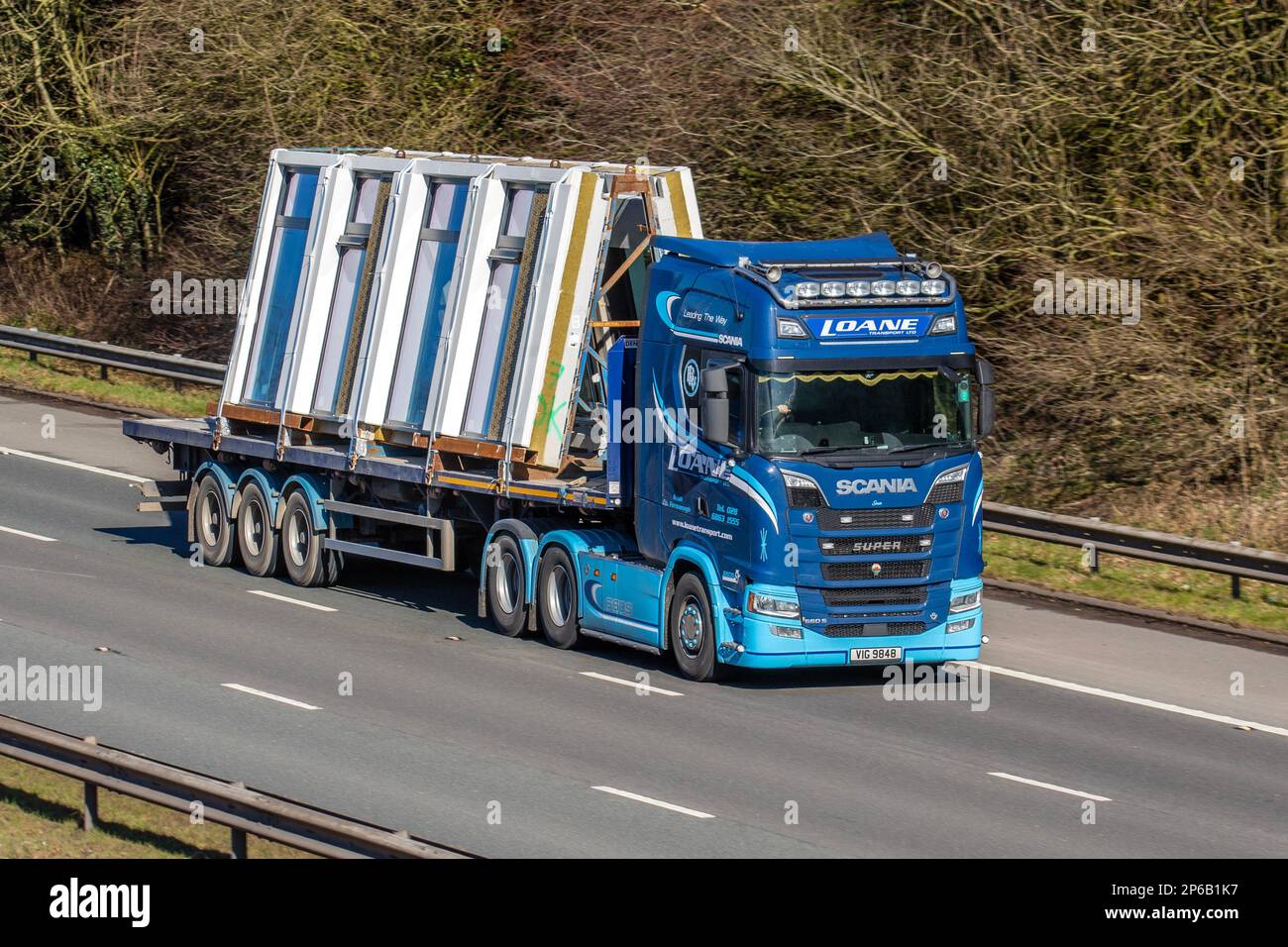
- Freight vulnerability: Heavy goods vehicles (HGVs) contribute disproportionately to emissions, with many operators still reliant on older, less efficient diesel engines.
Transport analysts note that Ireland’s geography—with its long distances between urban centers and rural areas—exacerbates the challenge. Unlike densely populated European neighbors, Ireland’s sprawling road network makes alternatives like public transit or active travel less practical for many residents.
“The issue isn’t just about emissions—it’s about economic resilience,” says a spokesperson for a leading energy think tank. “When global oil prices spike, as they did in 2022, Irish households and businesses feel the impact immediately. Without a diversified transport strategy, we’re locking ourselves into a cycle of vulnerability.”
Global Fuel Shocks and Ireland’s Exposure: What’s at Stake?
Ireland’s transport sector is not just an environmental concern—it’s a financial risk. The country imports nearly all its petroleum products, making it highly sensitive to geopolitical disruptions in oil markets. The 2022 energy crisis, triggered by Russia’s invasion of Ukraine, sent diesel prices in Ireland soaring by over 30% in a single year, directly increasing costs for commuters, farmers, and logistics firms.
How Ireland compares to peers:
| Metric | Ireland | UK | Germany | France |
|---|---|---|---|---|
| % of transport emissions from road vehicles | ~92% | ~88% | ~85% | ~87% |
| EV market share (new registrations, 2023) | ~8% | ~18% | ~30% | ~22% |
| Diesel share of light commercial vehicles | ~60% | ~55% | ~45% | ~40% |
Source: Transport sector reports, 2023–2024
While other EU nations have accelerated EV adoption and invested in rail and cycling infrastructure, Ireland’s progress has been slower. A 2023 report from the National Transport Authority (NTA) highlighted that only 12% of Ireland’s 26,000km road network is classified as “high-quality” for alternative transport modes like cycling or electric buses.
“The gap isn’t just technological—it’s infrastructural,” notes a transport economist. “Until we see real investment in charging networks, public transit, and active travel routes, the shift away from fossil fuels will remain uneven.”
Who’s Pushing for Reform—and What Are the Barriers?
Advocacy groups, local authorities, and even some political parties are urging the government to adopt a more aggressive approach to decarbonizing transport. Key demands include:
- Targeted incentives for low-income households: Many potential EV buyers cite upfront costs as a barrier, with used diesel cars often cheaper than new electric models.
- Expanded charging infrastructure: Rural areas, which make up nearly 70% of Ireland’s landmass, currently have fewer than 1,000 public chargers, compared to over 10,000 in urban centers.
- Public transit upgrades: Ireland’s rail network, which carries just 3% of daily commuters, has seen chronic underinvestment for decades.
- Diesel phase-out timelines: While the EU has set a 2035 ban on new petrol and diesel cars, Ireland has not yet announced a domestic timeline for phasing out older vehicles.
A recent council resolution called on the government to allocate €1.2 billion over the next five years to modernize transport infrastructure, with a focus on electrification and alternative fuels. However, funding remains a contentious issue, with critics arguing that current subsidies—such as the €5,000 EV grant—favor wealthier buyers who can afford new cars.
“The real challenge is equity,” says a policy analyst with a sustainability NGO. “Right now, the transition benefits those who can afford it. We need measures that level the playing field for everyone.”
Who Bears the Brunt of Ireland’s Fossil Fuel Dependency?
The financial strain of high fuel costs is not evenly distributed. Data from the Central Statistics Office (CSO) shows that:
- Households in rural areas spend 20–30% more on transport than urban dwellers, due to longer commutes and reliance on private vehicles.
- Small businesses, particularly in agriculture and logistics, face higher operational costs when fuel prices rise, with some reporting profit margins dropping by 15–20% during spikes.
- Low-income families are twice as likely to own older, less efficient diesel cars, which are more expensive to run and maintain.
Farmers, who account for nearly 5% of Ireland’s workforce, have been among the most vocal critics of the current system. Diesel prices have risen by over 40% since 2020, directly increasing the cost of fertilizers, machinery, and transport to markets. “We’re caught between rock and a hard place,” said one farmer at a recent industry forum. “Every cent we save on fuel goes straight to our bottom line.”
Meanwhile, urban commuters in cities like Dublin and Cork—where public transit is limited—also feel the pinch. A survey of 2,000 workers found that 60% would consider switching to EVs if charging infrastructure and incentives improved, but only 15% currently see it as a viable option.
With the government under pressure to act, several potential solutions are under discussion:
- Expanded EV grants: Proposals include extending the current €5,000 incentive to used EVs and introducing lease schemes for lower-income buyers.
- Diesel scrappage schemes: Pilot programs in other EU nations have successfully replaced older diesel vehicles with electric or hybrid models, reducing emissions by up to 30%.
- Public transit expansion: Plans for new rail links and bus rapid transit systems could reduce road congestion, but funding and political will remain hurdles.
- Alternative fuels: Hydrogen and biofuel initiatives are gaining traction, particularly for heavy goods vehicles, but scaling these up will require significant investment.
One thing is clear: without decisive action, Ireland’s transport sector will continue to expose households, businesses, and the economy to the whims of global oil markets. The question now is whether policymakers will prioritize resilience over incremental change.
Frequently Asked Questions About Ireland’s Transport and Fuel Dependency
Q: Why is Ireland so reliant on diesel for transport?

A: Ireland’s geography—with its long distances, rural sprawl, and limited public transit—makes diesel-powered vehicles practical for many. Additionally, older diesel engines were cheaper to purchase and maintain, leading to a fleet that remains heavily diesel-dependent even as newer, cleaner alternatives emerge.
Q: How much do Irish households spend on transport compared to other EU countries?
A: Irish households spend an average of €1,800–€2,200 annually on transport (including fuel, insurance, and maintenance), which is 10–15% higher than the EU average. This is partly due to longer commutes and higher reliance on private vehicles.
Q: Are there any government incentives for switching to electric vehicles?
A: Yes, Ireland offers a €5,000 grant for new electric cars and tax relief on company car benefits for EVs. However, critics argue these incentives are not enough to make EVs accessible to lower-income buyers, and charging infrastructure remains unevenly distributed.
Q: What would happen if Ireland banned diesel cars sooner?
A: A phased ban could accelerate EV adoption but would require significant investment in charging networks and public transit. Some analysts warn that a sudden ban without alternatives could disproportionately harm rural communities and small businesses reliant on diesel vehicles.
Q: How does Ireland’s transport emissions compare to other countries?
A: Ireland’s transport sector emits ~20% of the country’s total greenhouse gases, higher than the EU average of ~15%. While this is partly due to Ireland’s younger car fleet (with more petrol/diesel vehicles), it also reflects slower progress in electrification compared to peers like Norway or Sweden.
Q: What’s the biggest obstacle to reducing fossil fuel use in transport?
A: The two biggest barriers are infrastructure (lack of charging points, poor public transit) and affordability (high upfront costs of EVs, diesel’s continued dominance in used car markets). Without addressing both, progress will remain slow.
