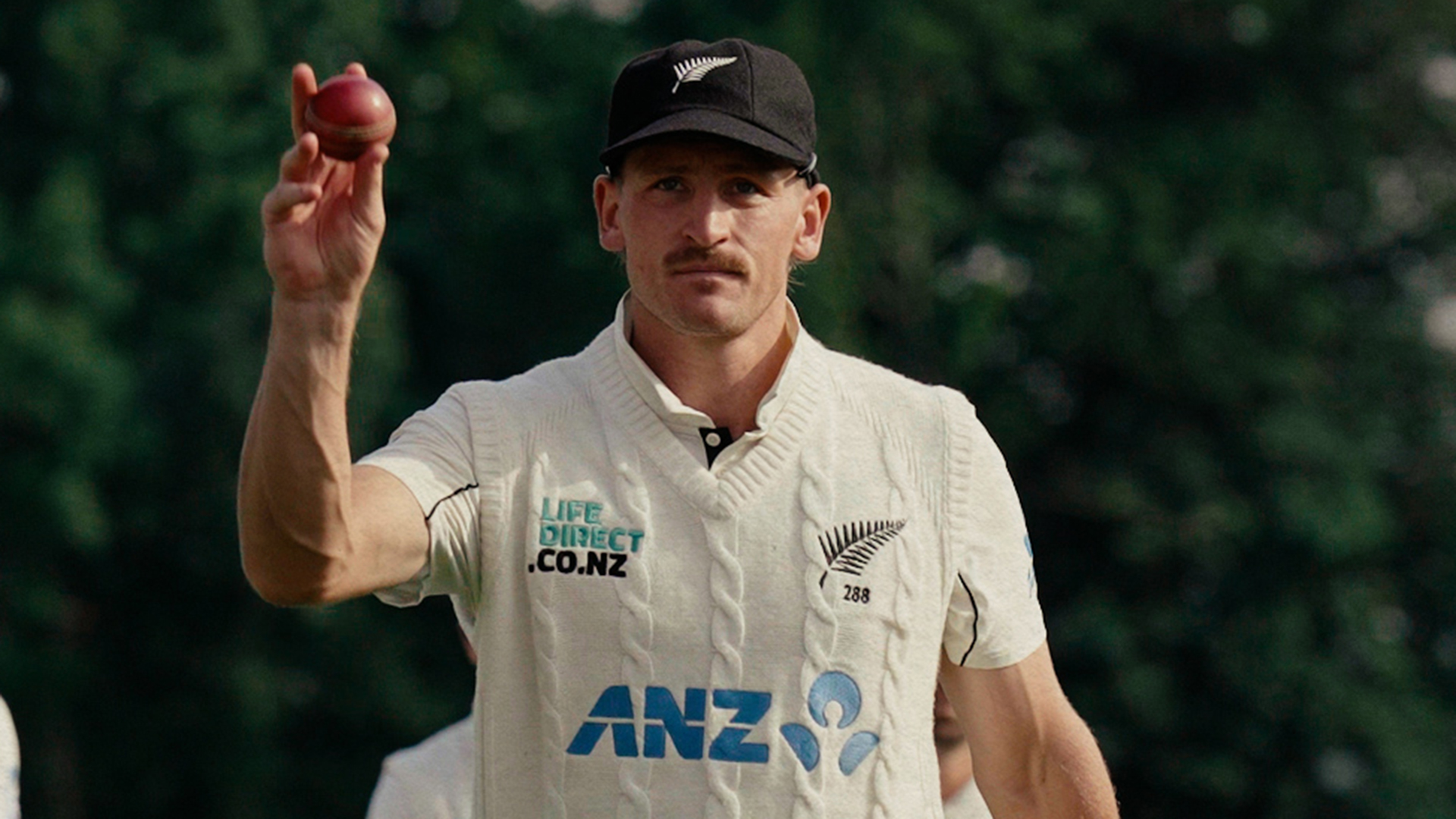
Smith Devastates Ireland with Five-Wicket Burst: New Zealand Seize Control in Test Clash
The momentum of the Men’s International Test match shifted violently on day two as a clinical bowling display turned the game on its head. In a performance that will be remembered as a turning point in this fixture, the news that Smith devastates Ireland with five-wicket burst – cricket.com.au highlights a masterclass in seam bowling and psychological dominance. While the contest began with a tentative New Zealand start and a bold tactical gamble from the Irish captain, the narrative has now shifted toward a dominant Black Caps position.
Cricket is a game of ebbs and flows, but few shifts are as sudden as a five-wicket haul that rips through a middle order. For Ireland, the dream of a historic upset began to fade as the precision and aggression of the New Zealand attack, led by Smith, dismantled their batting lineup. This burst was not merely about the wickets taken, but the manner in which they were claimed—leaving the Irish batters searching for answers and the crowd in awe of a bowler at the peak of his powers.
The Anatomy of a Collapse: Analyzing the Five-Wicket Haul
A five-wicket haul in a single innings is the gold standard for any bowler, but the impact of this specific burst was amplified by the timing. Coming at a moment when Ireland looked to stabilize their innings, Smith’s spell acted as a wrecking ball, shattering the confidence of the batting side.
The brilliance of the spell lay in the variation of pace and the relentless pursuit of a tight line. Smith utilized the conditions perfectly, finding a balance between swinging the ball late and hitting a hard length that forced the batters into tentative prods and mistimed drives. The “devastation” mentioned in reports was a result of a rapid succession of breakthroughs, where the interval between wickets shrank, creating a claustrophobic atmosphere for the incoming Irish batsmen.
Key factors that contributed to the collapse included:
- Consistent Accuracy: Smith maintained a relentless line on off-stump, denying the batters any room to breathe or score freely.
- Psychological Pressure: After the first two wickets fell in quick succession, the Irish middle order appeared hurried, leading to uncharacteristic errors in judgment.
- Field Placement: The captain’s aggressive field settings, with slips crowded and a short leg in place, ensured that any edge or tentative push resulted in a wicket.
“When a bowler finds that rhythm where the ball is doing everything the captain asks and the batter can’t find a way to neutralize it, you aren’t just watching a game of cricket—you’re watching a demolition.”
Recovering from the Brink: Blundell and Ravindra’s Resilience
To understand the significance of the bowling dominance on day two, one must look back at the vulnerability New Zealand displayed on day one. The Black Caps suffered what can only be described as an “early wobble,” a period of instability where the Irish bowling attack threatened to blow the game open. The loss of early wickets created a sense of panic, placing the New Zealand top order under immense pressure.
However, the match was saved by the composure of Tom Blundell and the emerging brilliance of Ravindra. Their partnership was a study in Test match batting—patient, disciplined, and focused on attrition. Blundell, known for his grit, acted as the anchor, absorbing the pressure and weathering the storm of the Irish seamers. His ability to leave the ball outside off-stump and punish the occasional loose delivery provided the necessary stability for the innings to progress.
While Blundell provided the shield, Ravindra provided the sword. Finding his “Test groove” in the face of a new challenge, Ravindra showcased a maturity beyond his years. His innings was characterized by a blend of defensive solidity and aggressive stroke play, proving that he could adapt his game to the slower pace and higher stakes of the longest format of the game.
The Synergy of the Recovery Partnership
The partnership between Blundell and Ravindra was effective because it balanced two different styles of play. While Blundell neutralized the threat, Ravindra rotated the strike and kept the scoreboard ticking, preventing the Irish bowlers from settling into a rhythm. This recovery not only saved New Zealand from a catastrophic first-innings total but also shifted the psychological burden back onto the hosts.
| Player | Role in Recovery | Key Contribution |
|---|---|---|
| Tom Blundell | The Anchor | Stability and risk mitigation during the early collapse. |
| Ravindra | The Aggressor | Finding form and accelerating the scoring rate. |
Tactical Gambles and Personnel Setbacks
The strategic landscape of the match was shaped by two major factors before a ball was even bowled: Ireland’s decision to bowl first and the injury to New Zealand’s Matt Henry.

The Irish Gamble: Opting to Bowl
Ireland’s decision to bowl first was a bold move, designed to exploit early morning moisture and the inherent swing of the new ball. For a period on day one, the gamble seemed to be paying dividends. The early wickets they claimed were a direct result of this strategy, as they managed to unsettle the New Zealand openers. However, the failure to convert that early momentum into a total collapse proved costly. In Test cricket, the “bowl first” strategy requires a ruthless efficiency in taking wickets; once Blundell and Ravindra steadied the ship, the advantage shifted permanently toward the batting side.
The Matt Henry Void
New Zealand entered the match with a significant blow: the loss of Matt Henry to injury. Henry is a cornerstone of the Black Caps’ pace attack, and his absence created a void in terms of experience and raw wicket-taking ability. Initially, there were concerns about how the bowling rotation would hold up without him. However, the emergence of Smith as the primary destroyer has effectively mitigated this loss.
The irony of the match is that while Henry’s injury was seen as a weakness, it provided the opportunity for Smith to step up and claim the spotlight. This transition highlights the depth of the New Zealand squad and their ability to adapt their tactical approach when key personnel are unavailable.
The Broader Impact: What This Means for Both Teams
This match is more than just a series of statistics; it is a barometer for the current state of both cricketing nations. For New Zealand, the ability to recover from a wobble and then dominate with the ball reinforces their status as one of the world’s premier Test sides. It demonstrates a mental toughness that is essential for success in away tours and high-pressure scenarios.
For Ireland, the experience is a bittersweet lesson in the margins of Test cricket. They showed they have the bowling talent to threaten a top-tier side, but the “devastation” brought about by Smith’s five-wicket burst exposes a vulnerability in their batting depth. To compete consistently at this level, Ireland must develop a middle order capable of resisting high-quality seam bowling under pressure.
Key Takeaways for the Match Progression:
- Mental Fortitude: New Zealand’s ability to pivot from a precarious position to a dominant one is a hallmark of their current culture.
- Individual Brilliance: The match underscores how a single player (like Smith) can change the trajectory of a five-day game in a matter of hours.
- Technical Growth: Ravindra’s success indicates a growing versatility in the New Zealand batting lineup, reducing the reliance on a few star names.
Common Misconceptions About the Match
In the wake of the headlines, several oversimplifications have emerged regarding the state of the game. It is important to clarify these points to provide a balanced view of the contest.
Misconception 1: Ireland was outclassed from the start.
This is inaccurate. The first day showed that Ireland had the tactical insight and the bowling skill to put New Zealand on the ropes. The “wobble” was real, and the game was very much balanced until the recovery partnership and the subsequent bowling burst.
Misconception 2: The result was inevitable due to New Zealand’s ranking.
Rankings provide a guideline, but Test cricket is played on the pitch. The decision to bowl first and the early success of the Irish bowlers prove that they were competitive. The result was decided by specific moments of brilliance—namely the Blundell/Ravindra stand and Smith’s spell—rather than a predetermined outcome.
Misconception 3: Matt Henry’s injury was a fatal blow to NZ.
While Henry is a vital asset, the “Smith devastates Ireland” narrative proves that the team has other weapons. The injury served as a catalyst for other bowlers to step up and take ownership of the attack.
Frequently Asked Questions
What does a “five-wicket burst” mean in cricket?
A five-wicket burst occurs when a bowler takes five wickets in a single innings. It is a significant achievement that often shifts the momentum of a match, as it means the bowler has removed half of the opposing team’s batting lineup.
How did Ravindra contribute to the New Zealand recovery?
Ravindra provided crucial runs during the first innings after New Zealand suffered early losses. By finding his “Test groove,” he combined defensive stability with aggressive scoring, helping stabilize the innings alongside Tom Blundell.
Why did Ireland choose to bowl first?
Ireland opted to bowl first to take advantage of the early pitch conditions, which often favor seam bowlers due to moisture and atmospheric conditions that encourage the ball to swing and seam.
Who is Matt Henry and why was his absence notable?
Matt Henry is a premier fast bowler for New Zealand. His absence due to injury was notable because he typically provides the early breakthroughs and consistency that the Black Caps rely on in the Test format.
What is the current state of the match following Smith’s performance?
Following the five-wicket haul by Smith, New Zealand has seized significant control of the match, leaving Ireland in a precarious position and putting the Black Caps in a strong position to secure a victory.
As the match progresses, the focus will shift to whether Ireland can find a way to rebuild their innings or if New Zealand will continue to apply the pressure. The resilience shown by the Black Caps’ batters and the lethal efficiency of their bowlers have set a high bar. For the Irish, the challenge now is to find a way to combat a bowling attack that has found its rhythm and a batting side that has proven it can weather any storm. The remaining days will be a test of character for the hosts and a continuation of the dominance for the visitors.
For those following the series, the evolution of Ravindra as a Test specialist and the continued rise of Smith as a match-winner are the key storylines to watch. While the headlines focus on the devastation of the Irish lineup, the underlying story is one of adaptation, recovery, and the relentless nature of elite Test cricket.
