Iran Rejects UN-Backed Plan to Free Ships Trapped in Strait of Hormuz
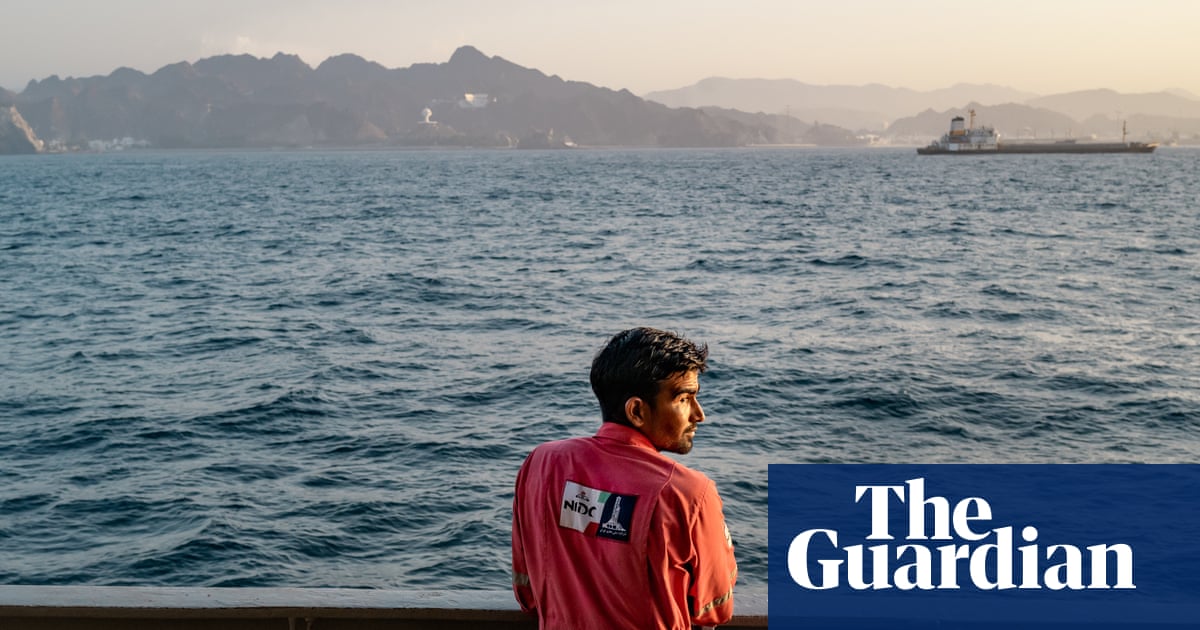
Iran has rejected a United Nations-backed proposal to establish a safe maritime route for vessels trapped in the Strait of Hormuz, according to reports from The Guardian. This refusal comes on day 118 of the ongoing conflict, maintaining a precarious standoff in the world’s most critical oil chokepoint even as some stranded tankers begin to trickle through the waterway.
Why did Iran reject the UN-backed plan for the Strait of Hormuz?
The Islamic Revolutionary Guard Corps (IRGC) officially declined the new route proposed under the UN framework, according to Al Jazeera. While the UN-backed plan aimed to create a neutralized corridor to ensure the safe passage of commercial shipping and the release of trapped vessels, Tehran views such interventions as infringements on its regional sovereignty and maritime control.
The IRGC’s rejection underscores a fundamental disagreement over the legal and military status of the strait. According to CBC, the United States maintains that the Strait of Hormuz remains open for international navigation. Conversely, Iran asserts that the waterway is closed, using this position as a strategic lever in the broader conflict. This contradiction creates a high-risk environment for ship captains and insurance underwriters who must navigate conflicting claims of accessibility.
The rejection is not merely a diplomatic gesture but a tactical move. By denying a UN-sanctioned route, the IRGC retains the ability to dictate which vessels pass and under what conditions. This control allows Iran to signal its resolve to global powers and exert pressure on the West regarding sanctions and military presence in the Persian Gulf.
How is the shipping deadlock affecting global oil markets?
Despite the diplomatic deadlock and Iran’s formal rejection of the UN plan, the physical movement of oil is shifting. Bloomberg reports that the reopening of the strait—albeit in a fragmented and precarious manner—is quickly flooding oil markets with supply. As stranded tankers finally begin to move, the sudden influx of crude is putting downward pressure on global prices.
The Globe and Mail confirms that stranded oil tankers are trickling through the Strait of Hormuz, adding to the global supply after weeks of stagnation. This “trickle effect” creates a volatile market environment where prices swing based on whether a specific convoy successfully clears the strait or is halted by Iranian forces.
Market analysts note a distinct contrast in how this supply is being viewed. While the arrival of trapped oil eases immediate scarcity concerns, the lack of a formal, UN-backed agreement means the supply chain remains fragile. A single escalation could instantly reverse the current trend of increasing supply, leading to a price spike.
| Entity | Position on Strait Status | Primary Objective |
|---|---|---|
| United States | Open for navigation | Ensure unrestricted global energy flow |
| Iran (IRGC) | Closed/Controlled | Exert regional leverage; oppose sanctions |
| United Nations | Proposed safe corridor | Humanitarian and commercial stabilization |
| Oil Markets | Increasing supply | Price stabilization via tanker movement |
What are the diplomatic implications of the IRGC’s decision?
The rejection of the UN plan has triggered a shift toward bilateral and regional diplomacy. Al Jazeera reports that Marco Rubio is scheduled to meet with leaders from the Gulf Cooperation Council (GCC). This move suggests that the U.S. may be pivoting away from broad international frameworks, like the UN, in favor of strengthening ties with regional allies who are most directly affected by the blockade.
The GCC nations, which include Saudi Arabia, the UAE, and Kuwait, face the highest economic risk from any prolonged closure of the strait. A meeting between U.S. officials and GCC leaders indicates a strategy to coordinate a regional security response that does not rely on Iranian cooperation with the UN.
This diplomatic pivot highlights a growing divide:
- The International Approach: Attempting to use the UN to create a legal, neutral corridor for all shipping.
- The Regional Approach: Building a coalition of GCC states and the U.S. to secure the waterway through deterrence and mutual security pacts.
The failure of the UN-backed plan suggests that Tehran is currently unresponsive to multilateral pressure, preferring instead to deal with the U.S. and its allies through a lens of direct confrontation or high-stakes negotiation.
The Strategic Significance of the Strait of Hormuz
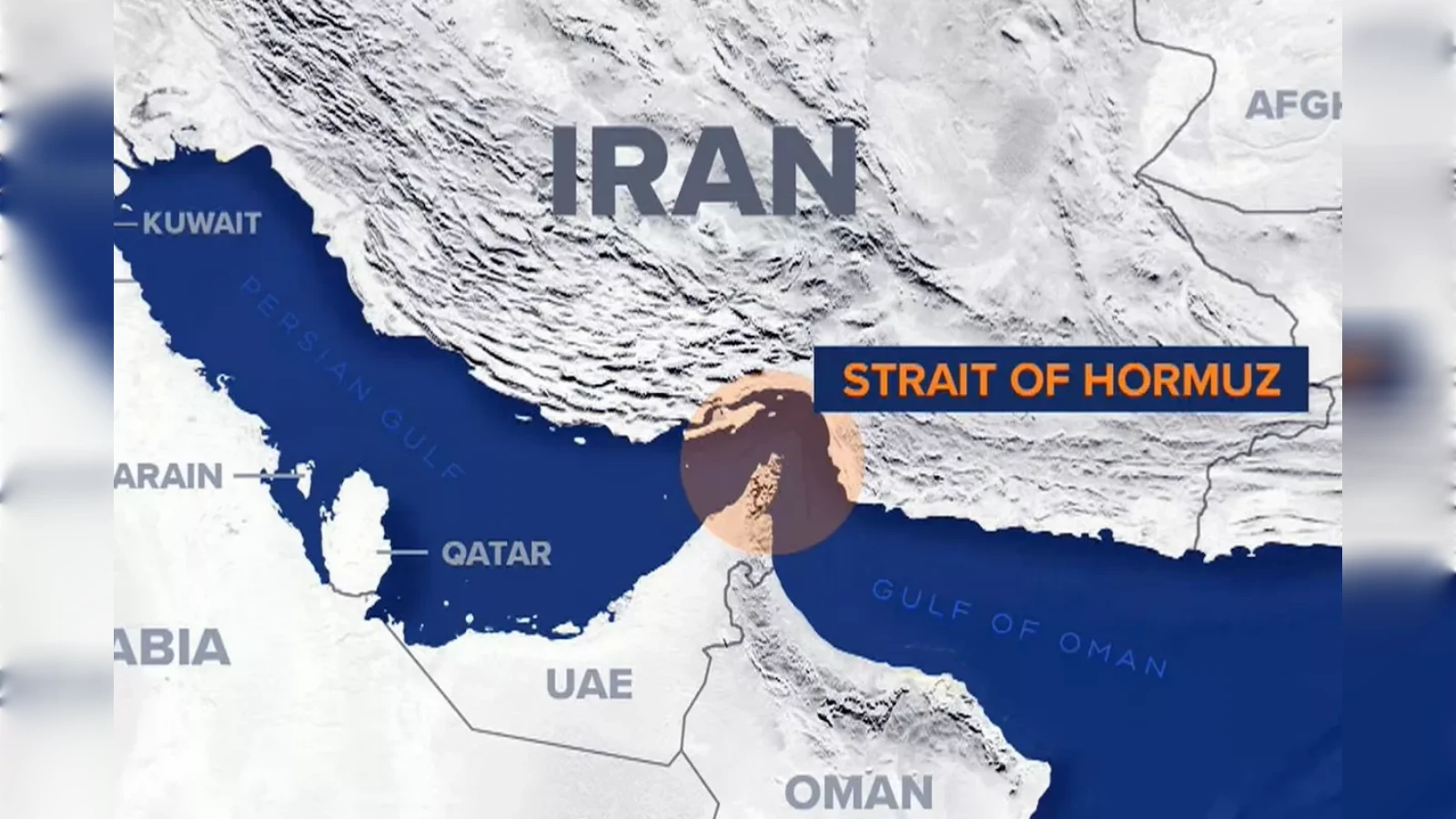
To understand why the rejection of a UN plan is so consequential, one must consider the geography of the Strait of Hormuz. It is the only sea passage from the Persian Gulf to the open ocean. According to energy data, a significant portion of the world’s liquefied natural gas (LNG) and crude oil passes through this narrow channel.

When Iran claims the strait is “closed,” it is not necessarily claiming a physical wall exists, but rather that it reserves the right to intercept, seize, or harass vessels. This creates a “psychological blockade.” For shipping companies, the cost of insurance (War Risk premiums) skyrockets when a state actor rejects international safety plans, making the transit financially unviable even if the water is physically passable.
“The U.S. says it’s open. Iran says it’s closed. The Strait of Hormuz remains precarious,” according to reporting from CBC.
This precariousness is compounded by the role of the IRGC, which operates independently of some of Iran’s traditional diplomatic channels. The IRGC’s control over the naval assets in the strait means that even if the Iranian Foreign Ministry were to signal a willingness to negotiate, the military wing can maintain the blockade to serve its own strategic goals.
Comparing Market Reactions and Reporting Perspectives
There is a notable difference in how various news outlets are framing the current situation. Bloomberg focuses heavily on the economic “flood” of supply, framing the story as a market correction. In contrast, Al Jazeera and The Guardian emphasize the geopolitical failure and the rejection of the UN’s diplomatic efforts.
This divergence reflects the two simultaneous realities of the crisis:
- The Economic Reality: Oil is moving again, which is a net positive for global prices and inflation.
- The Political Reality: The lack of a formal agreement means the current flow of oil is a result of Iranian whim, not international law.
The Globe and Mail’s observation that tankers are “trickling through” suggests a cautious return to normalcy, but this is far from the “open” status claimed by the U.S. government. The gap between the U.S. claim of an open strait and the reality of a “trickle” suggests that the U.S. is attempting to project stability to prevent market panic, while the actual operational environment remains dangerous.
Key Risks for the Immediate Future
- Insurance Volatility: If the UN plan remains rejected, insurance companies may refuse coverage for non-military vessels.
- GCC Escalation: Should Rubio’s meetings lead to an increased U.S. military presence in the Gulf, Iran may further restrict the “trickle” of tankers.
- Price Whiplash: The current “flooding” of the market could be abruptly halted, leading to extreme oil price volatility.
For a deeper look at how maritime law applies in contested waters, see a related explainer on international shipping corridors.
Frequently Asked Questions
What is the UN-backed plan for the Strait of Hormuz?
The plan proposed a safe, neutralized corridor for commercial ships to pass through the Strait of Hormuz without interference. The goal was to release trapped tankers and stabilize global oil supplies by removing the threat of seizure or attack.
Why does the U.S. say the strait is open while Iran says it is closed?
The U.S. focuses on the legal right of “innocent passage” under international law and the fact that some ships are still moving. Iran focuses on its operational ability to block the strait and its political declaration that the waterway is closed to those it deems hostile.
How does the IRGC’s rejection affect oil prices?
In the short term, prices are falling because some trapped tankers are beginning to move (as reported by Bloomberg). However, the rejection of a formal safety plan means the long-term risk remains high, which prevents prices from fully stabilizing.
Who are the GCC leaders and why are they involved?
The Gulf Cooperation Council (GCC) consists of Saudi Arabia, Kuwait, the UAE, Qatar, Bahrain, and Oman. They are involved because their economies depend entirely on the safe export of oil and gas through the Strait of Hormuz.
What happens if no agreement is reached?
If no diplomatic solution is found, the region may see an increase in military escorts for commercial tankers, higher shipping costs due to insurance premiums, and continued volatility in the global energy market.
