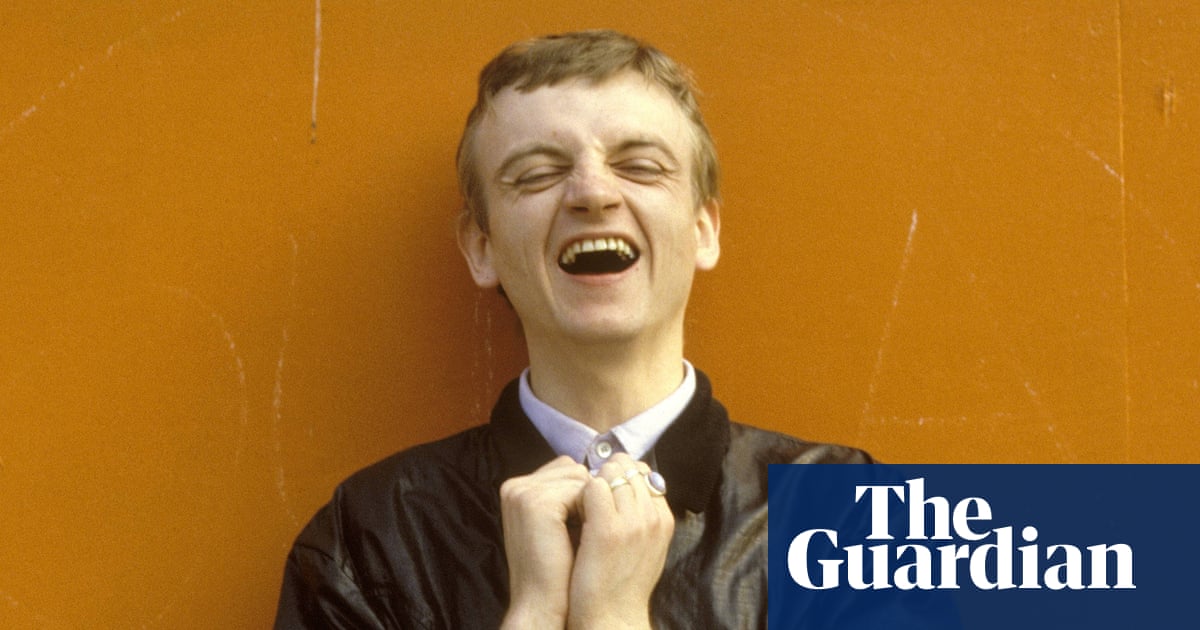
LA fans, Mark E Smith’s sisters and Frank Skinner doing the quiz: inside the totally wired festival on the Fall
A commemorative festival celebrating the legacy of the post-punk band The Fall recently convened a diverse crowd, including international travelers from Los Angeles and the sisters of the late frontman Mark E Smith. The event, characterized by a “totally wired” atmosphere, featured a high-profile quiz hosted by comedian Frank Skinner, focusing on the idiosyncratic history and discography of the band.
What happened at the festival celebrating The Fall?
The event functioned as a concentrated tribute to Mark E Smith, the driving force behind The Fall from its inception in 1977 until his death in 2018. According to attendee reports, the festival was designed to mirror the chaotic, high-energy spirit of the band’s live performances. The gathering combined musical tributes with anecdotal storytelling and a competitive quiz that tested the deep knowledge of a global fanbase.
The programming emphasized the “wired” nature of the band’s sound—a mix of repetitive rhythms, garage rock, and Smith’s distinctive, spoken-word delivery. The event served as both a wake and a celebration, bringing together former collaborators, family members, and devotees who viewed Smith not merely as a musician but as a cultural provocateur.
Key highlights of the event included:
- The Frank Skinner Quiz: A curated trivia session where the comedian led fans through the dense and often contradictory history of the band’s lineup changes and recording sessions.
- Family Presence: The attendance of Mark E Smith’s sisters, providing a personal dimension to the public celebration of his professional life.
- International Pilgrimage: The arrival of fans from as far as Los Angeles, highlighting the band’s enduring reach beyond the UK’s industrial north.
Why did fans travel from Los Angeles for a Mark E Smith tribute?
The presence of LA fans underscores the global cult status of The Fall. While the band originated in Prestwich and Manchester, their influence extended into the American underground scene, particularly among those drawn to the “no-wave” and experimental movements. According to participants, the appeal of Mark E Smith lay in his refusal to adhere to conventional pop structures and his commitment to a rigorous, often confrontational, artistic vision.

For these international visitors, the festival was more than a concert; it was a pilgrimage to the source of a specific brand of British eccentricity. The travel from California to the UK reflects a dedication to a legacy that prioritized intellectual rigor and rhythmic dissonance over commercial viability.
The global appeal of the band is often attributed to three factors:
- Sonic Innovation: The use of “Krautrock” influences and repetitive loops that predated modern electronic music.
- Lyrical Density: Smith’s lyrics, which blended working-class observations with surrealism and high-art references.
- The “Cult of Personality”: The notoriety of Smith as a demanding leader who famously fired dozens of musicians over four decades.
For more on the influence of post-punk on global music, see our related explainer on the evolution of the Manchester sound.
How did Frank Skinner contribute to the event’s atmosphere?
Comedian Frank Skinner took a central role in the festival by hosting a comprehensive quiz on The Fall. Skinner, known for his own connection to British cultural history and music, used the format to bridge the gap between the band’s intimidating reputation and the celebratory mood of the crowd. According to reports from the event, the quiz functioned as an oral history, recalling specific dates, obscure B-sides, and the legendary frictions within the band.
The inclusion of a quiz reflects the nature of The Fall’s fandom. Because the band’s history is so complex—marked by a revolving door of musicians and a massive volume of released material—the “completionist” aspect of the fanbase is a significant part of the community. Skinner’s role was to gamify this obsession, turning the band’s chaotic timeline into a point of shared pride for the attendees.
The interaction between a mainstream comedic figure like Frank Skinner and the avant-garde legacy of Mark E Smith created a tension that mirrored the band’s own relationship with the music industry: a mix of high-brow art and populist entertainment.
The role of Mark E Smith’s family in the celebration
The attendance of Mark E Smith’s sisters added a layer of intimacy to the festival. While the public image of Smith was often that of a hermit or a volatile frontman, the presence of his family highlighted the human element behind the persona. According to witnesses, their participation provided a grounding influence, reminding attendees that the “totally wired” public figure was also a brother and a family member.
This dynamic is common in tributes to polarizing figures. The family’s presence serves to validate the event as an official act of remembrance rather than just a fan-led convention. It allowed the crowd to reconcile the aggression of the music with the personal loss experienced by the Smith family.
Understanding the “Totally Wired” legacy of The Fall
The term “totally wired” is a direct reference to one of The Fall’s most iconic tracks, and it describes both the sonic quality of the music and the mental state of its creator. To be “wired” in the context of The Fall is to be in a state of high tension, alertness, and rhythmic intensity.
The Sonic Blueprint
The Fall’s sound was built on the “repetition” philosophy. Unlike traditional rock bands that relied on verse-chorus-verse structures, The Fall often locked into a single groove for extended periods. This approach created a hypnotic effect that mirrored the industrial landscapes of Northern England.
The Leadership of Mark E Smith
Smith acted as the sole constant in the band. He viewed the musicians as tools to execute his vision rather than equal partners. This led to a high turnover of members, which, paradoxically, kept the band’s sound evolving. Each new musician brought a different influence—be it funk, electronic, or garage rock—which Smith then filtered through his own rigid aesthetic.
| Era | Primary Sound/Influence | Key Characteristic |
|---|---|---|
| Late 1970s | Punk / Garage Rock | Raw, aggressive, anti-establishment |
| 1980s | Post-Punk / Krautrock | Repetitive loops, intellectual lyrics |
| 1990s – 2000s | Electronic / Experimental | Integration of synths and dance rhythms |
| Final Years | Avant-Garde / Spoken Word | Deconstructed songs, erratic delivery |
Why this festival matters in the current cultural landscape
The celebration of The Fall is not merely an exercise in nostalgia. It represents a resistance to the homogenization of modern music. In an era of algorithmically generated hits, the “totally wired” approach of Mark E Smith—unpredictable, abrasive, and stubbornly independent—stands as a counter-example.
The gathering of LA fans and UK devotees demonstrates that there is still a significant appetite for “difficult” art. The event proved that the community built around The Fall is not just based on the music, but on a shared appreciation for a specific type of intellectual defiance. By bringing together family, comedians, and international fans, the festival mapped the full extent of Smith’s influence.
Furthermore, the event highlights the transition of The Fall from a contemporary act to a historical entity. The shift from live concerts to “festivals of memory” indicates that the band has entered the canon of influential British music, alongside peers like Joy Division or The Smiths, though with a far more eccentric trajectory.
Common Misconceptions About The Fall
- Misconception: The Fall was simply a “punk” band.
Correction: While they started in the punk era, they quickly moved toward a repetitive, rhythmic style influenced by German bands like Can and Neu!, distancing themselves from the three-chord punk cliché. - Misconception: Mark E Smith was merely erratic.
Correction: According to music historians, Smith’s “erratic” behavior during shows was often a calculated artistic choice designed to disrupt the comfort of the audience and the musicians. - Misconception: The band lacked a cohesive vision due to lineup changes.
Correction: The vision was Mark E Smith himself. The changing lineups were the mechanism through which he refreshed the band’s sound while maintaining a consistent ideological core.
For those interested in how other cult artists are remembered, check out our analysis of posthumous musical tributes.
Frequently Asked Questions
Who was Mark E Smith?
Mark E Smith was the founder, lyricist, and frontman of the English post-punk band The Fall. Known for his distinctive vocals and uncompromising leadership, he led the band from 1977 until his death in 2018, releasing over 30 albums.
What does “Totally Wired” mean in relation to The Fall?
“Totally Wired” is the title of one of the band’s most famous songs. In a broader sense, it refers to the high-energy, tense, and rhythmic nature of their music, as well as the intellectual intensity of Mark E Smith’s approach to art.

Why was Frank Skinner involved in the festival?
Frank Skinner, a prominent British comedian and music enthusiast, hosted a quiz during the event. His involvement added a layer of accessibility and humor to the celebration, utilizing his platform to highlight the band’s complex history for both die-hard fans and newcomers.
Did the festival feature live music?
Yes, the event included musical tributes and performances that captured the spirit of The Fall’s discography, focusing on the repetitive and dissonant sounds that defined the band’s career.
Why is the band still popular in places like Los Angeles?
The Fall’s influence on the American underground and “no-wave” scenes created a lasting legacy in cities like LA. Their commitment to experimental structures and lyrical abstraction appeals to listeners who seek alternatives to mainstream music.
The enduring draw of the “totally wired” festival suggests that the impact of Mark E Smith continues to resonate. By blending the personal presence of his sisters with the public wit of Frank Skinner and the devotion of global fans, the event solidified The Fall’s position as a cornerstone of experimental music. The gathering served as a reminder that the most challenging art often creates the most loyal communities.
