INPEX bid to halt strikes at Ichthys LNG denied, says shutdown possible this week – ICIS
An Australian tribunal has rejected a bid by Japanese energy giant INPEX to stop industrial action at the Ichthys LNG project. According to ICIS, a facility shutdown remains possible this week after the Fair Work Commission dismissed the company’s claims that the strikes would cause significant harm to the Australian economy.
Why did the Fair Work Commission reject the INPEX bid?
The Fair Work Commission denied the application from INPEX to halt strikes, effectively allowing workers to proceed with industrial action. According to the Australian Broadcasting Corporation (ABC), the gas giant argued that the strikes would negatively impact Australia’s broader economic stability. However, the tribunal found these claims insufficient to warrant an injunction against the workers’ right to strike.
The dispute centers on employment terms and conditions. Under Australian labor law, the Fair Work Commission weighs the potential for “significant economic harm” against the legal rights of employees to engage in protected industrial action. In this instance, the tribunal ruled that the threshold for intervening in the dispute had not been met.
Reuters reports that the tribunal’s decision leaves the door open for escalating disruptions. Because the legal move to freeze the strikes failed, the unionized workforce retains the ability to implement stop-work orders or limited-service operations, which could lead to a total cessation of activity at the plant.
What is the current operational impact on Ichthys LNG?
The industrial unrest has already moved beyond theoretical threats. Energy News Bulletin reports that strike action has already delayed two LNG cargoes destined for Asian markets. These delays represent a direct disruption to the supply chain, as Ichthys is a primary source of energy for several North Asian economies, most notably Japan.
The possibility of a full shutdown this week is now a primary concern for market analysts. A total shutdown would involve halting the liquefaction process, where natural gas is cooled to -162 degrees Celsius to be transported. Restarting such a facility is not instantaneous and can take several days or weeks depending on the depth of the shutdown.
| Impact Metric | Current Status | Source |
|---|---|---|
| Cargo Status | Two Asia-bound shipments delayed | Energy News Bulletin |
| Legal Status | Injunction bid denied | Reuters / ABC |
| Operational Risk | Potential full shutdown this week | ICIS |
The risk of a total facility shutdown
A full shutdown is more severe than a “slowdown” or a rolling strike. According to industry standards, a total halt in production at a facility the size of Ichthys removes a significant volume of LNG from the global spot market. If the workforce executes a full walkout, the production of liquefied natural gas would stop entirely until a deal is reached or the strike ends.
Workers at the Ichthys project have a history of leveraging their strategic position. Because the facility is critical to INPEX’s revenue and Japan’s energy security, the leverage remains heavily with the labor force during these negotiations.
How are Australian strikes affecting global gas prices?
The situation in Australia is not happening in a vacuum. Quantum Commodity Intelligence reports that Title Transfer Facility (TTF) prices—the primary benchmark for European natural gas—have remained firm. This price stability or increase is attributed to a combination of geopolitical instability and the escalating strikes in Australia.

The global LNG market is highly interconnected. When a major exporter like Australia faces production risks, traders anticipate a tighter global supply. This anticipation drives up prices even before a single cargo is officially cancelled. The “risk premium” is currently being baked into the TTF and JKM (Japan Korea Marker) prices.
The intersection of Australian strikes and Middle East tensions
The impact of the Ichthys dispute is amplified by current events in the Middle East. Quantum Commodity Intelligence notes that tensions between Israel and Iran have already put the market on edge. When geopolitical risks in the Middle East coincide with industrial unrest in Australia, the market loses two of its primary stability anchors simultaneously.
- Geopolitical Risk: Potential disruptions to transit through the Strait of Hormuz or regional production.
- Industrial Risk: Production halts at major hubs like Ichthys.
- Combined Result: Increased volatility and higher costs for importing nations in Europe and Asia.
This convergence makes the Fair Work Commission’s decision particularly sensitive. While the tribunal focuses on domestic labor law, the result has immediate ramifications for international energy pricing.
Who are the primary stakeholders in the Ichthys dispute?
The conflict involves several entities with competing priorities, ranging from corporate profitability and national energy security to labor rights.
INPEX Corporation
As the operator of the Ichthys project, the Japanese-owned INPEX is focused on maintaining steady production and meeting long-term delivery contracts. The company’s bid to halt the strikes was an attempt to protect its operational timeline and avoid the financial penalties associated with delayed cargoes.
The Workforce and Unions
The employees are seeking improved terms and conditions. In the Australian industrial relations landscape, the ability to strike is a protected right used to force employers to the bargaining table. The rejection of the INPEX bid is a victory for the unions, confirming their legal right to disrupt production to achieve their goals.
The Fair Work Commission
The commission acts as the arbiter. Its role is not to decide who is “right” in a contract dispute, but to ensure that the dispute is handled within the law. By rejecting the bid, the commission signaled that the economic arguments presented by INPEX did not outweigh the statutory rights of the workers.
Asian Energy Importers
Countries like Japan rely on Ichthys for a significant portion of their LNG intake. Any delay in cargoes forces these nations to seek more expensive spot-market replacements, increasing the cost of energy for their domestic industries and consumers.
The broader context of LNG production in Australia
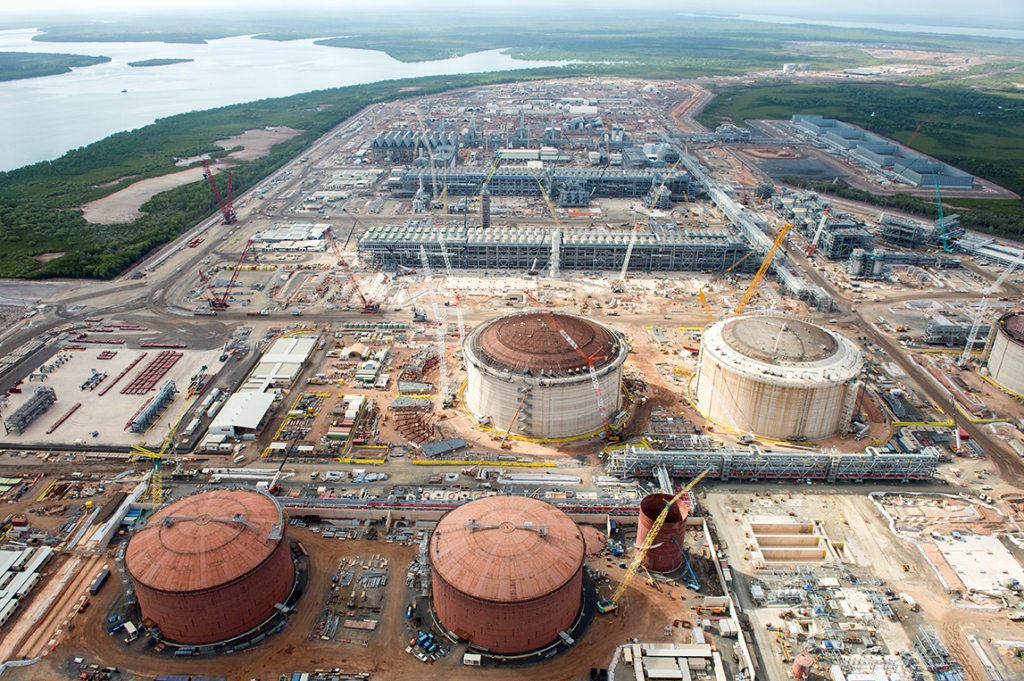
Australia is one of the world’s largest exporters of LNG, and the Ichthys project is a cornerstone of this industry. The project, located in Western Australia, involves massive offshore gas fields and an onshore liquefaction plant in Darwin.
Industrial disputes in the LNG sector are not uncommon, but they are high-stakes. Because LNG plants are capital-intensive and operate on a continuous flow basis, they are uniquely vulnerable to labor disruptions. A strike doesn’t just stop “work”; it stops a complex chemical and thermal process that is expensive to pause and restart.
Recent trends in the Australian energy sector show a growing tension between the push for increased exports to support global energy transitions and the domestic demand for fair wages and conditions in an inflationary environment. This makes the Ichthys dispute a bellwether for other projects in the region.
“The rejection of the bid to halt strikes underscores the strength of Australian labor protections, even when facing claims of national economic impact.”
Common misconceptions about LNG strikes
There are several frequent misunderstandings regarding how strikes at facilities like Ichthys actually function and their immediate effects.
Misconception 1: A strike means the gas stops flowing instantly
Not necessarily. Many strikes begin as “industrial action” which may include banning overtime or performing “work-to-rule” (doing only the absolute minimum required by a contract). A total shutdown is the final escalation, not the first step. However, as ICIS notes, the risk of a full shutdown is now the primary concern.
Misconception 2: The government can simply force workers back to work
While the government can introduce legislation to end strikes in “essential services,” the process is politically costly and legally complex. The Fair Work Commission is the primary legal channel for this. If the commission denies a bid to stop the strike, the government generally does not intervene unless there is a catastrophic emergency.
Misconception 3: Cargo delays only affect the buyer
Delays are costly for the seller (INPEX) as well. LNG contracts often include “take-or-pay” clauses or specific delivery windows. Failing to meet these can lead to financial penalties or the need to buy expensive gas from the spot market to fulfill a contract, hitting the company’s bottom line.
What to monitor in the coming days
The situation remains fluid. Market participants and energy analysts are watching several key indicators to determine if the “possible shutdown” mentioned by ICIS becomes a reality.
- Union Announcements: Any official notice of a total walkout will serve as the immediate trigger for a production halt.
- Cargo Tracking: Further delays in Asia-bound shipments will indicate that the strike is intensifying.
- TTF and JKM Pricing: A spike in these prices often suggests that the market expects a prolonged outage at Ichthys.
- Negotiation Updates: Any report of a “framework agreement” between INPEX and the unions would signal an end to the crisis.
If a shutdown occurs, the focus will shift to the duration of the outage. A three-day shutdown is a manageable hiccup; a two-week shutdown is a global energy event.
For those tracking the broader energy landscape, a related explainer on LNG spot pricing would provide more context on how these disruptions translate into higher utility bills.
Frequently Asked Questions
What is the Ichthys LNG project?
The Ichthys project is one of the largest liquefied natural gas developments in the world. Operated by the Japanese company INPEX, it extracts gas from the Browse Basin offshore Western Australia and processes it at a liquefaction plant in Darwin for export, primarily to Asian markets.
Why did INPEX try to stop the strikes?
According to the ABC and Reuters, INPEX sought a legal injunction to halt the strikes by arguing that the industrial action would cause significant harm to the Australian economy and disrupt critical energy supplies.
Who is the Fair Work Commission?
The Fair Work Commission is Australia’s national workplace relations tribunal. It is responsible for resolving industrial disputes, setting minimum wages, and determining whether industrial action is legally protected or should be stopped.
How do these strikes affect gas prices in Europe?
While the gas is produced in Australia, the LNG market is global. According to Quantum Commodity Intelligence, disruptions in Australia reduce the overall global supply, which pushes up prices at the TTF (Title Transfer Facility) in Europe as buyers compete for remaining available cargoes.
Will this lead to energy shortages in Asia?
Short-term delays in cargoes, as reported by Energy News Bulletin, can cause temporary supply tightening. However, most importing nations maintain strategic reserves or purchase from the spot market to prevent actual shortages, though this comes at a higher financial cost.
