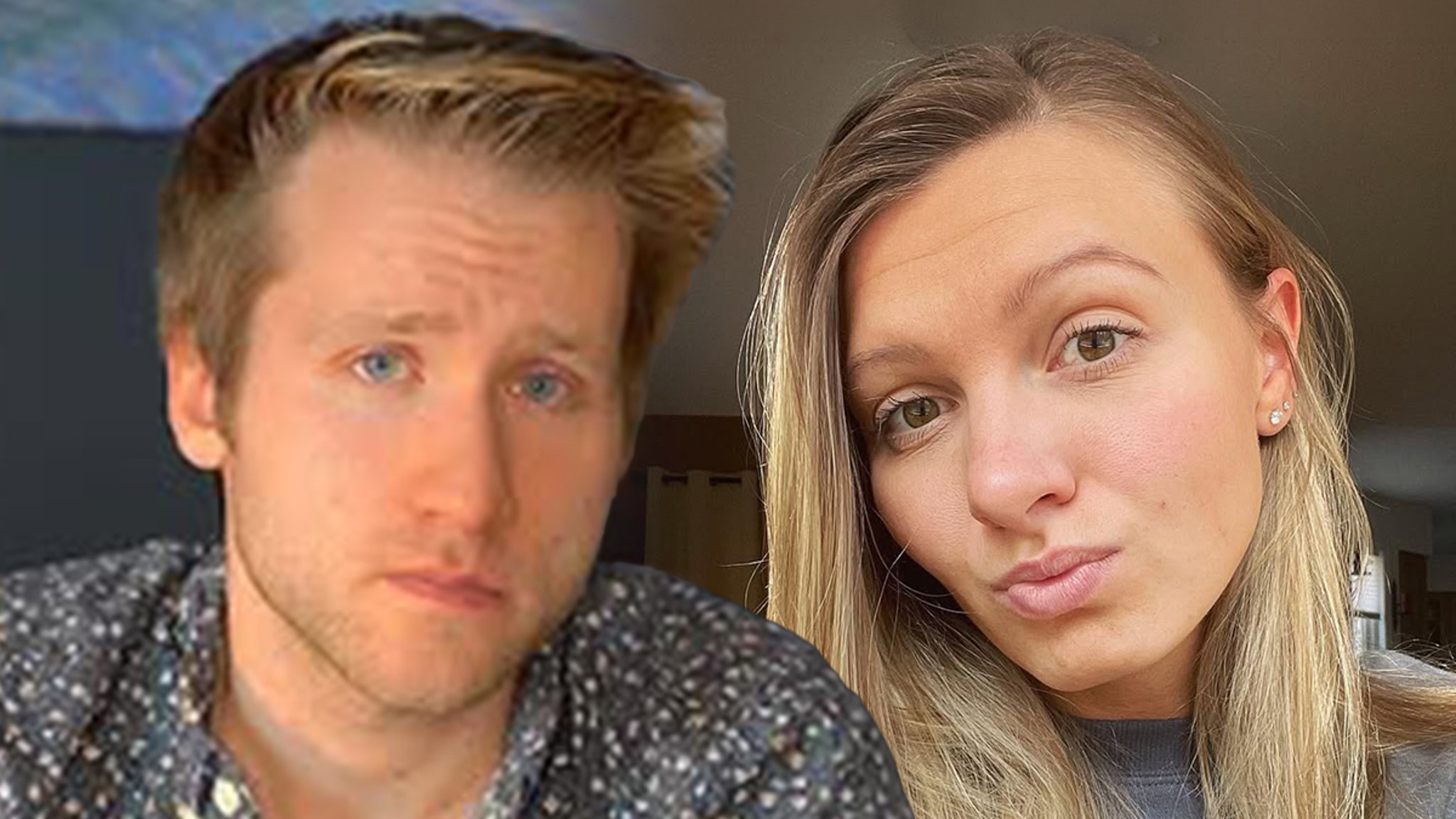
Influencer Couple Terminates Pregnancy After Down Syndrome Diagnosis – TMZ: A Deep Dive into the Decision and the Broader Conversation
The intersection of private medical crises and public digital personas often creates a storm of controversy and conversation. Recently, the internet has been gripped by the news of an influencer couple terminates pregnancy after Down syndrome diagnosis – TMZ and other outlets reporting on the emotional disclosure made by Jesse Ridgway and his wife. The couple, known for sharing significant portions of their lives with a massive online following, revealed they made the “difficult decision” to end their pregnancy following a prenatal diagnosis of Down syndrome.
This event has transcended a simple celebrity news update, sparking a global dialogue regarding reproductive rights, the ethics of prenatal screening, and the psychological toll of navigating a medical tragedy under the gaze of millions. For many, the story is a heartbreaking glimpse into the complexities of parenthood; for others, It’s a catalyst for debating the value of lives lived with genetic disabilities.
The Details of the Announcement
Jesse Ridgway, a prominent digital creator, and his wife shared the news of their loss and the reasoning behind it with their audience. The announcement was characterized by a tone of grief and transparency, emphasizing that the choice was not made lightly but was based on what they believed was the most compassionate path for their future child and their family.
The couple’s decision came after medical professionals identified that the fetus had Down syndrome. In their statement, they highlighted the emotional weight of the situation, describing the process as an agonizing journey. By bringing this private struggle into the public eye, the couple has inadvertently centered themselves in a debate that has existed for decades: the tension between parental autonomy and the societal perception of genetic “perfection.”
The decision to terminate a pregnancy following a genetic diagnosis is one of the most intimate and challenging experiences a couple can face, often involving a complex weave of medical advice, personal values, and emotional distress.
Key Points of the Disclosure
- The Diagnosis: The pregnancy was terminated specifically following a diagnosis of Down syndrome.
- The Motivation: The couple cited a desire to avoid potential suffering and a belief that this was the most responsible choice for their specific circumstances.
- The Public Nature: The decision to share this news publicly was intended to explain their situation and potentially offer a sense of community to others facing similar choices.
Understanding Down Syndrome and Prenatal Diagnosis
To understand why this news has generated such a visceral reaction, it is necessary to understand the medical context. Down syndrome, or Trisomy 21, occurs when an individual has a full or partial extra copy of chromosome 21. This additional genetic material alters the course of development and causes the characteristics associated with the syndrome.
Modern medicine allows parents to detect this condition long before a child is born. The process usually happens in two stages: screening and diagnostic testing.
Prenatal Screening vs. Diagnostic Testing
Many expectant parents begin with a screening test, such as Non-Invasive Prenatal Testing (NIPT), which analyzes fetal DNA circulating in the mother’s blood. While highly accurate, screenings only indicate the probability of a condition. To confirm a diagnosis, a diagnostic test—such as Chorionic Villus Sampling (CVS) or Amniocentesis—is required. These tests are invasive, involving the collection of placental tissue or amniotic fluid, and carry a small risk of miscarriage.
| Test Type | Method | Purpose | Certainty |
|---|---|---|---|
| NIPT (Screening) | Blood Draw | Assesses risk/probability | High, but not definitive |
| CVS (Diagnostic) | Placental Biopsy | Confirms genetic makeup | Definitive |
| Amniocentesis (Diagnostic) | Amniotic Fluid Sample | Confirms genetic makeup | Definitive |
When a couple receives a positive diagnostic result, they are often thrust into a period of rapid information gathering and emotional turmoil. The decision to continue or terminate the pregnancy depends on the couple’s support system, financial stability, personal beliefs about quality of life, and the specific medical prognosis provided by their doctors.
The “Influencer Effect”: Privacy, Performance, and Parasociality
The fact that this event involved a high-profile influencer couple adds a layer of complexity that would not exist in a private medical case. Influencers operate on a currency of authenticity and vulnerability. By sharing their “raw” moments, they build deep, parasocial relationships with their followers, who feel as though they are close friends with the creators.
The Pressure of the Public Eye
For creators like Jesse Ridgway, the line between the private and the public is often blurred. While sharing this story can be a form of catharsis or a way to destigmatize reproductive choices, it also opens the couple to unprecedented levels of scrutiny. In a private setting, a couple might discuss their decision with a therapist or a few close relatives. In the digital age, that discussion happens in a comment section filled with strangers.
This creates a unique psychological pressure. The couple must balance their genuine grief with the need to “manage” the narrative of their brand. When an influencer shares a tragedy, the audience often reacts in one of two extremes: overwhelming support or harsh judgment. In the case of the influencer couple terminates pregnancy after Down syndrome diagnosis – TMZ report, the reaction has been a microcosm of the broader cultural divide on abortion and disability.
The Role of Transparency
Some argue that by being transparent, influencers help others who are suffering in silence. There are thousands of parents who make the decision to terminate after a prenatal diagnosis every year, but they rarely speak about it due to intense social stigma. When a public figure acknowledges this reality, it can validate the experiences of others. However, critics argue that the “commodification of trauma” turns deeply personal tragedies into content for engagement.
The Ethical Debate: Quality of Life vs. Disability Rights
The news of Jesse Ridgway and his wife’s decision has reignited a long-standing ethical conflict between two primary philosophical viewpoints: the right to parental autonomy and the advocacy for the inherent value of people with disabilities.

The Argument for Parental Autonomy
the decision to terminate is seen as an act of mercy or responsibility. Proponents argue that parents are the only ones who can truly know if they have the emotional, financial, and physical resources to provide a high quality of life for a child with special needs. They emphasize that Down syndrome can come with significant health challenges, including heart defects, respiratory issues, and cognitive delays, which can place an immense strain on the family unit.
The Disability Rights Perspective
Conversely, disability rights advocates argue that the decision to terminate based solely on a Down syndrome diagnosis is a form of “soft eugenics.” They point to the millions of people with Down syndrome who lead fulfilling, happy, and productive lives. The argument here is that the “suffering” often associated with the condition is not inherent to the disability itself, but is a result of a society that fails to provide adequate support and inclusion.
This tension is heightened when the news breaks via outlets like TMZ, as the nuance of the medical and emotional struggle is often stripped away in favor of a “shocking” headline. This leads to a polarized environment where the couple is either vilified as “ableist” or praised for their “bravery,” leaving little room for the messy, human reality of the situation.
Societal Implications and the Future of Prenatal Care
As prenatal testing becomes more accessible and accurate, society faces a growing dilemma. We are now capable of detecting not just major chromosomal abnormalities, but a wide array of genetic markers that might indicate future health struggles. This raises a critical question: Just because we can screen for everything, should we?
The Shift in Population Demographics
In some countries, the widespread use of prenatal screening has led to a significant decrease in the birth rate of children with Down syndrome. While some see this as a victory for medical progress and a reduction in human suffering, others worry about the loss of diversity in the human experience and the erasure of a community that teaches society about patience, unconditional love, and different ways of existing in the world.
The Need for Better Counseling
A recurring theme in these stories is the need for unbiased, comprehensive genetic counseling. Often, parents are given a diagnosis and a set of statistics, but they aren’t given a realistic picture of what life with a child with Down syndrome looks like in the 21st century. Improvements in healthcare, early intervention, and inclusive education have drastically changed the trajectory of life for those with Trisomy 21.
For those interested in how these medical decisions are framed in the media, a related explainer on medical ethics in digital journalism may provide further insight into why these stories often become so polarized.
Navigating the Aftermath of Public Grief
For the couple involved, the announcement is not the end of the process but the beginning of a new, public chapter of grief. The psychological impact of losing a pregnancy is profound, regardless of the reason. When that loss is compounded by a public debate over the morality of the decision, the healing process can be hindered.
Common Misconceptions About These Decisions
- Misconception: The decision is made lightly or quickly.
Reality: Most couples spend days or weeks in agonizing deliberation, consulting multiple doctors and weighing every possible outcome. - Misconception: Termination means the parents “hate” people with disabilities.
Reality: Many people who choose termination deeply respect the disability community but feel they are personally incapable of providing the necessary care. - Misconception: A Down syndrome diagnosis guarantees a life of misery.
Reality: Many individuals with Down syndrome attend school, hold jobs, form romantic relationships, and contribute meaningfully to their communities.
The tragedy of the situation lies in the fact that there is no “correct” answer that satisfies everyone. Every family’s capacity is different, and every medical situation has its own nuances.
Frequently Asked Questions
Why did the influencer couple terminate their pregnancy?
According to their public statements, the couple decided to terminate the pregnancy after receiving a medical diagnosis that the fetus had Down syndrome. They described it as a “difficult decision” based on their personal beliefs and their assessment of the quality of life and the resources available to them.

What is the main cause of Down syndrome?
Down syndrome is caused by the presence of an extra copy of chromosome 21 (Trisomy 21). This happens randomly during the formation of reproductive cells or in early fetal development and is not caused by any specific action taken by the parents during pregnancy.
How is Down syndrome detected during pregnancy?
It is typically detected through a two-step process: first, a screening test (like NIPT) to determine the risk level, followed by a diagnostic test (like Amniocentesis or CVS) to confirm the presence of the extra chromosome.
Why is this story so controversial?
The controversy stems from the clash between the right to reproductive autonomy (the parents’ right to choose) and disability advocacy (the belief that lives with Down syndrome are inherently valuable and should not be terminated).
Do all pregnancies with Down syndrome result in termination?
No. Many parents choose to continue the pregnancy and raise a child with Down syndrome. The decision varies widely based on individual values, religious beliefs, support systems, and medical advice.
As the digital landscape continues to evolve, the way we handle these deeply personal stories will likely change. The case of Jesse Ridgway and his wife serves as a reminder that behind every trending headline is a human being navigating a crisis. Whether one agrees with their choice or not, the event highlights the immense pressure placed on modern parents and the complex ethics of a world where genetic certainty is becoming the norm.
