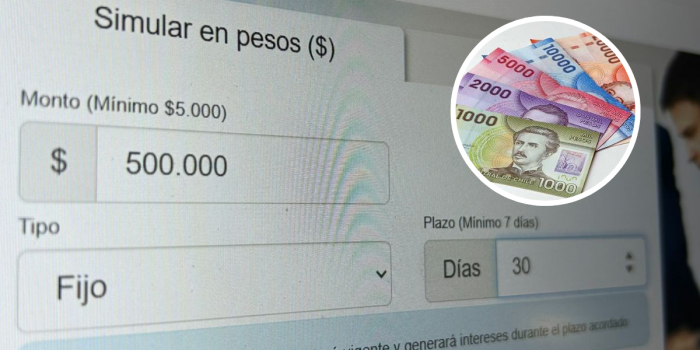
Investors are evaluating the short-term returns of BancoEstado fixed-term deposits, specifically focusing on the potential earnings from a $500,000 investment held for 30 days. Local media reports have highlighted this specific financial scenario to help consumers determine the viability of the bank’s current interest offerings for low-risk, short-term savings.
The Mechanics of 30-Day Fixed-Term Deposits
A fixed-term deposit, or depósito a plazo, is a financial instrument where a depositor locks a specific sum of money with a bank for a predetermined period. In exchange for this commitment, the bank pays a guaranteed interest rate. Because the funds are generally inaccessible until the term expires, these accounts typically offer higher rates than standard savings accounts.

The 30-day window mentioned in recent reports is a common strategy for investors seeking high liquidity. By choosing a one-month term, depositors can earn a fixed return while ensuring their capital is available again in a short timeframe, allowing them to react quickly to changes in market interest rates or immediate cash needs.
Evaluating the $500,000 Investment Scenario
Recent coverage from local media outlets has centered on the specific calculation of returns for a $500,000 principal. While the specific interest rates fluctuate based on bank policy and market conditions, the focus on this amount suggests a benchmark for mid-to-high level retail savers.
The interest in this specific deposit amount appears across diverse publications, including general news reports and industry-specific digital magazines. This indicates a broad consumer interest in comparing BancoEstado rates against other financial institutions to maximize monthly yields.
Economic Implications for Savers
For a depositor, the primary appeal of a 30-day term is the mitigation of interest rate risk. If market rates are expected to rise, shorter terms prevent the investor from being locked into a lower rate for a long period. Conversely, in a falling-rate environment, these short-term deposits allow savers to capture current peaks before they decline.
According to local media reports, the primary objective for users analyzing these figures is to determine the exact payout after 30 days, which involves calculating the nominal interest rate minus any applicable taxes or fees associated with the account.
