
“House of the Dragon” Cast Reacts to ‘Shocking’ Mother-Son Kiss: ‘Makes You Want to Throw Up’
Cast members of House of the Dragon have described a mother-son kiss between characters Aemond Targaryen and Alicent Hightower as “awkward” and “shocking.” In interviews with outlets including Yahoo and People, actors noted the scene’s visceral nature, with some stating the interaction “makes you want to throw up.”
What happened in the Aemond and Alicent scene?
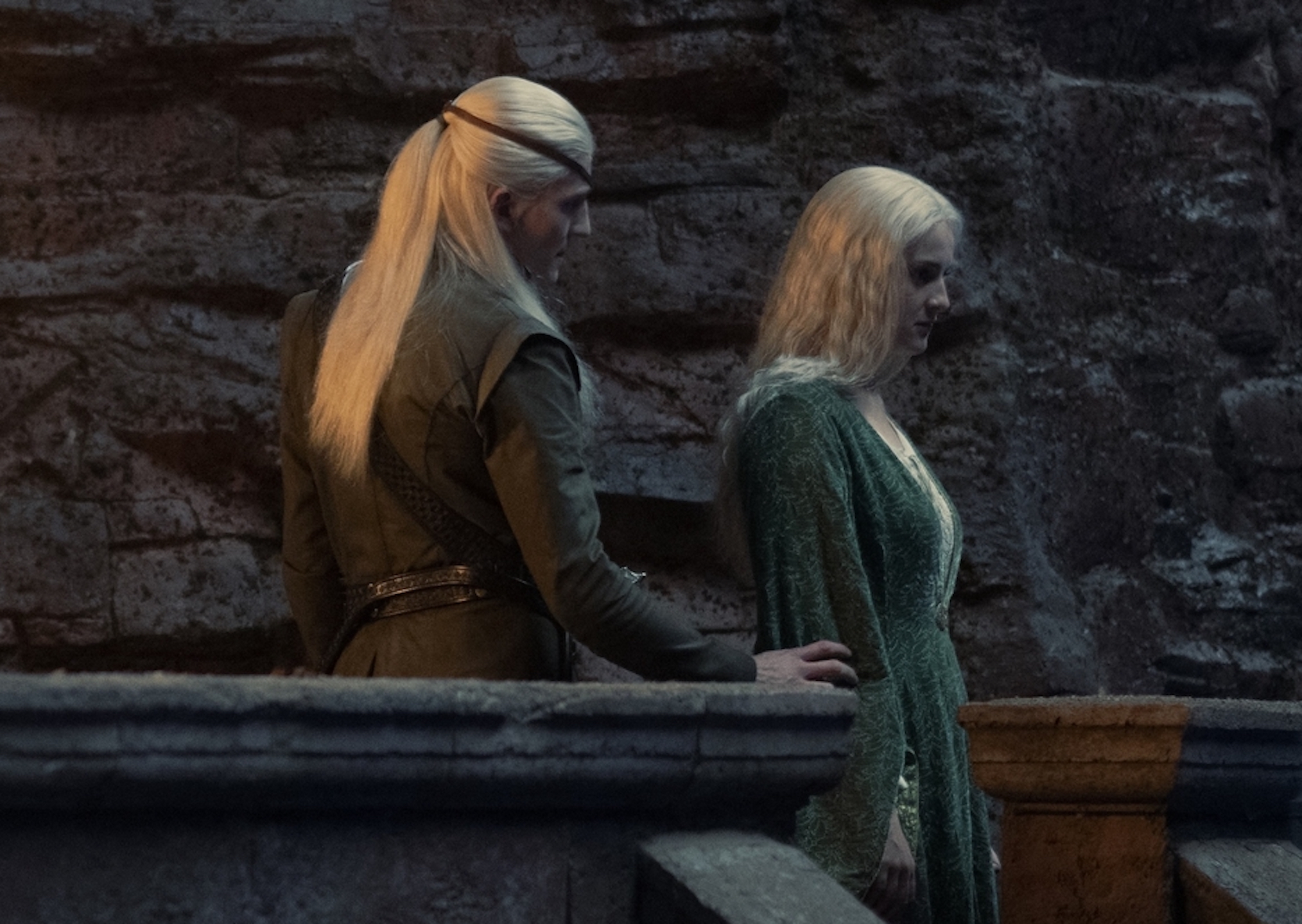
A controversial sequence in House of the Dragon features a kiss between Alicent Hightower and her son, Aemond Targaryen. The moment has sparked significant discussion among viewers and the production team due to its nature and the familial relationship between the two characters. According to Page Six, the scene represents what the outlet calls the “weirdest incest moment yet” in the series.
The interaction deviates from the more traditional romanticized incest seen between other Targaryen characters, such as Rhaenyra and Daemon. Instead, this moment is framed through a lens of psychological tension and familial dysfunction. Ewan Mitchell, who portrays Aemond, provided a detailed explanation of the scene’s intent to Entertainment Weekly, framing it as a complex moment of emotional instability rather than a romantic gesture.
Key elements of the scene include:
- Character Dynamics: The kiss occurs during a period of high stress and political instability for the “Green” faction.
- Emotional Subtext: The scene explores the blurring lines between maternal comfort and a desperate need for loyalty and power.
- Visual Tone: The staging is designed to evoke discomfort rather than attraction, a point emphasized by the cast in recent interviews.
How did the cast react to the mother-son kiss?
The actors involved and their colleagues have been candid about the discomfort associated with filming and viewing the scene. In an exclusive report by Yahoo and People, cast members reacted to the sequence with visceral language, noting that the nature of the kiss “makes you want to throw up.”
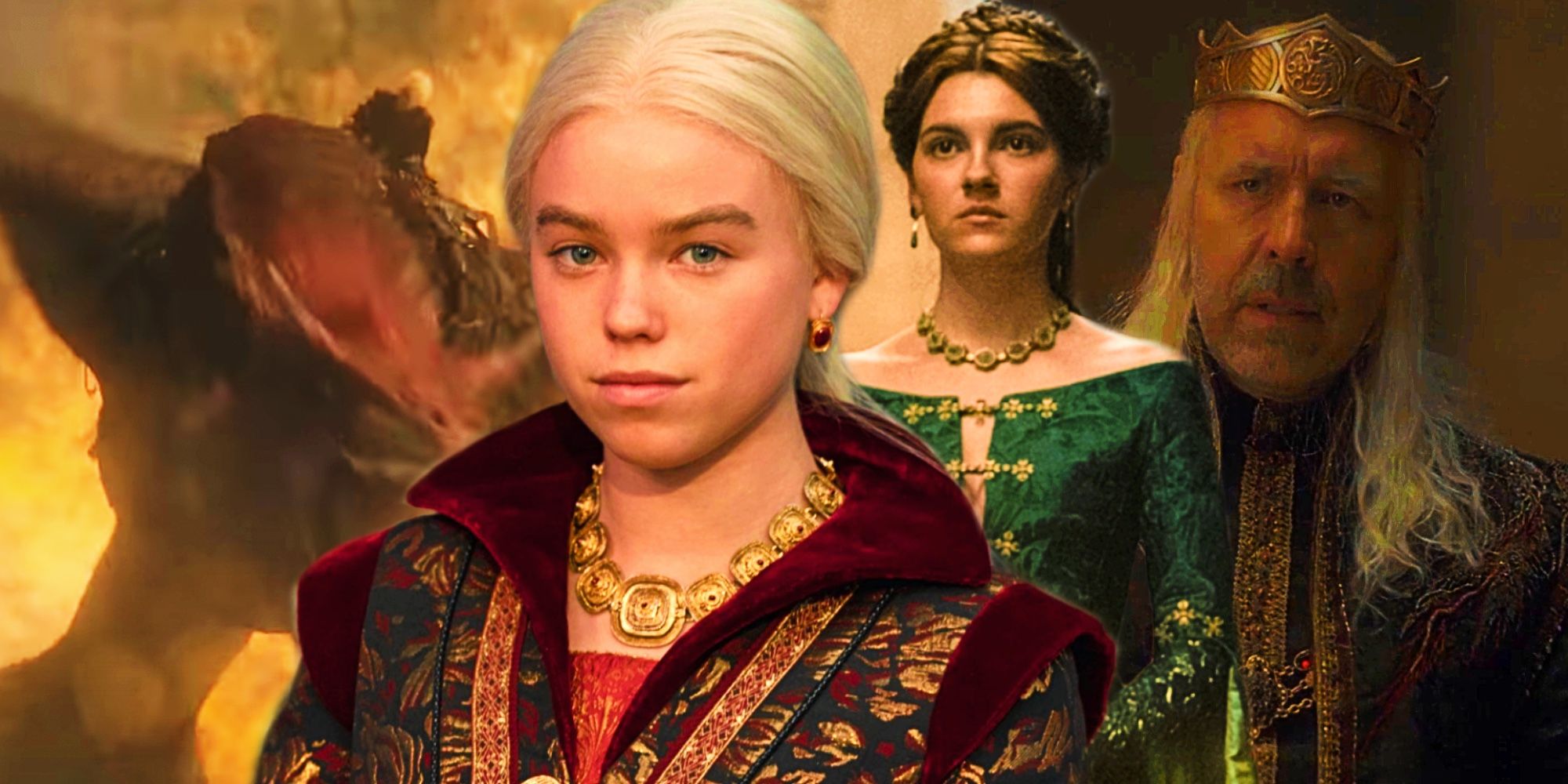
Nerdist reported that the cast discussed the sequence as “TV’s most awkward kiss ever.” The consensus among the performers suggests that the discomfort was intentional, designed to mirror the unsettling psychological state of the characters. The actors described the process of filming the scene as a challenge in maintaining the narrative’s tension while navigating the inherent taboo of the action.
“It makes you want to throw up,” cast members noted regarding the visceral reaction to the on-screen intimacy between mother and son, according to Yahoo.
Ewan Mitchell’s perspective, as detailed by Entertainment Weekly, focuses on the character’s internal drive. Mitchell suggests that Aemond’s actions are rooted in his complex relationship with his mother and his desire for validation and control within the family hierarchy.
Why does this moment matter for the plot?
The kiss is not a random shock value addition but a narrative tool used to illustrate the decay of the Hightower-Targaryen alliance. According to Entertainment Weekly, the moment serves as a marker for Aemond’s escalating instability and his shifting relationship with Alicent.
Throughout the series, Alicent has attempted to maintain a facade of piety and traditional morality. The introduction of this unsettling dynamic suggests a breaking point in her psychological defenses. For Aemond, the act underscores his willingness to cross any boundary to secure his position or express his emotional turmoil.
The implications for the story are twofold:
- Psychological Warfare: It signals a shift in the power balance between mother and son, where Aemond may no longer be subservient to Alicent’s moral guidance.
- Thematic Consistency: It reinforces the series’ overarching theme that the pursuit of the Iron Throne corrupts every familial bond, twisting love into something unrecognizable and disturbing.
For a deeper look at how these dynamics shift, readers may find a related explainer on Targaryen family hierarchies useful.
How different media outlets framed the controversy
The reaction to the Aemond-Alicent kiss varied across entertainment news platforms, reflecting different editorial focuses—ranging from the psychological to the sensational.
| Media Outlet | Primary Framing | Key Descriptor Used |
|---|---|---|
| Yahoo / People | Visceral/Physical Reaction | “Makes you want to throw up” |
| Page Six | Taboo/Incest Focus | “Weirdest incest moment yet” |
| Entertainment Weekly | Character Analysis | “Shocking… moment explained” |
| Nerdist | Social Awkwardness | “Most awkward kiss ever” |
While Page Six focused on the “weirdness” of the incestuous nature of the act, Entertainment Weekly sought to provide context via Ewan Mitchell’s explanation. Yahoo and People focused on the raw emotional response of the cast, emphasizing the “shock” factor. Nerdist categorized the event primarily through the lens of “awkwardness,” highlighting the discomfort of the viewing experience.
The history of taboo relationships in House of the Dragon
To understand why the Aemond-Alicent kiss is viewed as more “shocking” than other relationships in the show, it is necessary to look at the established norms of the Targaryen dynasty. The Targaryens have a long-standing tradition of sibling marriage to keep dragon-riding bloodlines pure. The relationship between Rhaenyra and Daemon, for example, is presented as a romantic, albeit controversial, partnership.

The mother-son dynamic is a significant departure from this pattern. According to the framing provided by Page Six, this specific interaction crosses a different threshold of taboo than the sibling relationships. The “shock” stems from the shift from horizontal incest (siblings) to vertical incest (parent-child), which is generally viewed with more intensity and disgust by audiences.
This distinction is critical for several reasons:
- Cultural Norms: Even within the fictional world of Westeros, sibling marriage is a known Targaryen trait; parent-child intimacy is not.
- Emotional Weight: The power imbalance between a parent and a child adds a layer of manipulation and dysfunction that is absent in the Rhaenyra-Daemon dynamic.
- Narrative Intent: The show uses the sibling relationships to explore love and loyalty, but uses the Aemond-Alicent moment to explore desperation and psychological collapse.
Common misconceptions about the scene
Some viewers have misinterpreted the scene as a purely romantic development. However, based on the explanations provided by Ewan Mitchell to Entertainment Weekly, the kiss is not intended to be a romantic attraction. Instead, it is a manifestation of Aemond’s twisted emotional state and the suffocating nature of his relationship with his mother.
Another misconception is that this is a standard plot point from the original source material. While the series adapts the events of Fire & Blood, the show often expands on the internal psychological states of the characters. The visceral reaction of the cast, as reported by Yahoo, indicates that the scene was designed to provoke a specific, negative emotional response from the audience, rather than to establish a new romantic pairing.
For more context on the adaptation process, see this analysis of Fire & Blood vs. the TV series.
FAQs regarding the House of the Dragon cast reactions
Why did the cast say the kiss “makes you want to throw up”?
According to reports from Yahoo and People, the cast used this language to describe the visceral discomfort and the taboo nature of a mother-son kiss. The phrasing highlights that the scene was intended to be unsettling rather than romantic.
Who explained the meaning behind the Aemond and Alicent kiss?
Ewan Mitchell, the actor who plays Aemond Targaryen, explained the scene’s purpose in an interview with Entertainment Weekly. He framed the moment as a reflection of the characters’ complex emotional and psychological instability.
Is this the first time incest has appeared in House of the Dragon?
No. The series frequently features incest, most notably the relationship between Rhaenyra Targaryen and her uncle Daemon. However, Page Six noted that the Aemond-Alicent moment is the “weirdest” because it involves a parent and child rather than siblings or close relatives.
Was the scene intended to be romantic?
Based on cast interviews with Nerdist and Entertainment Weekly, the scene was intended to be “awkward” and psychologically driven. It is framed as a moment of desperation and dysfunction rather than a romantic attraction.
How did the media react to the scene?
Reactions varied by outlet. Yahoo and People focused on the cast’s visceral disgust; Page Six highlighted the taboo nature of the act; Entertainment Weekly focused on the character motivations; and Nerdist emphasized the awkwardness of the moment.
