Supply Chain Risk: Montreal Meat Processor Issues Urgent Recall
A Montreal-based food processing company is facing a product recall after the discovery of potential bacterial contamination, highlighting the operational risks and reputational vulnerabilities inherent in the meat processing industry.
- Company Involved: Les Aliments du Terroir (Montreal).
- Contaminant: Potential presence of E. Coli.
- Regulatory Action: Recall coordinated with the Canadian Food Inspection Agency (CFIA).
- Consumer Action: Immediate cessation of consumption and return of products for a refund.
Regulatory Oversight and Public Health Risks
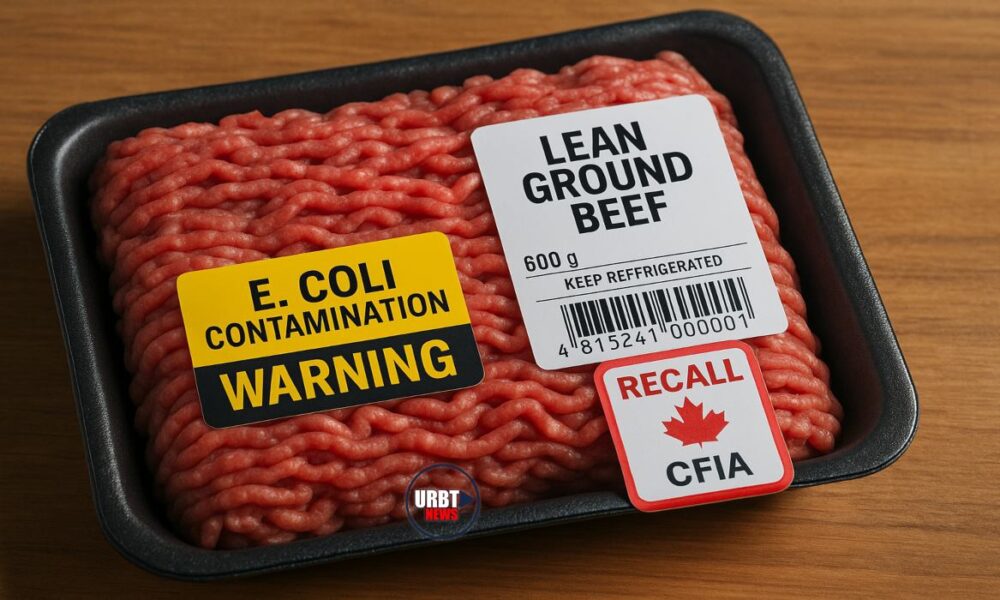
The recall was triggered following the identification of E. Coli in ground meat products distributed by Les Aliments du Terroir. The Canadian Food Inspection Agency (CFIA) has stepped in to oversee the removal of the affected batches from the market to prevent widespread foodborne illness.
From a regulatory standpoint, such recalls are critical mechanisms for maintaining market stability and consumer trust. The presence of E. Coli in ground meat is a high-priority concern for health authorities due to the risk of severe gastrointestinal distress and, in some cases, more critical systemic complications.
According to public statements, consumers who have purchased these ground meat products are advised to discard them or return them to the point of purchase to obtain a full refund.
Operational and Economic Implications for the Firm
For a regional processor like Les Aliments du Terroir, a product recall represents more than a health crisis; it is a significant financial and logistical burden. The costs associated with reverse logistics—retrieving products from various retail points and disposing of contaminated inventory—can sharply impact short-term margins.
Beyond the immediate balance sheet, the company faces the challenge of “brand erosion.” In the food and beverage sector, consumer loyalty is heavily predicated on safety and quality assurance. A recall of this nature requires a robust communication strategy to reassure B2B partners and end-consumers that safety protocols have been audited and corrected.
Industry Context and Quality Control
This incident underscores the fragility of the cold chain and the necessity of rigorous testing protocols in meat processing. Ground meat is particularly susceptible to contamination because the grinding process can distribute surface bacteria throughout the entire product, increasing the risk profile compared to whole-muscle cuts.
Companies operating in this space typically rely on Hazard Analysis and Critical Control Points (HACCP) systems to mitigate these risks. When these systems fail, the resulting regulatory intervention serves as a reminder of the stringent standards required to operate within the Canadian food market.
The company is expected to work closely with the CFIA to identify the source of the contamination and implement corrective measures to prevent a recurrence.
