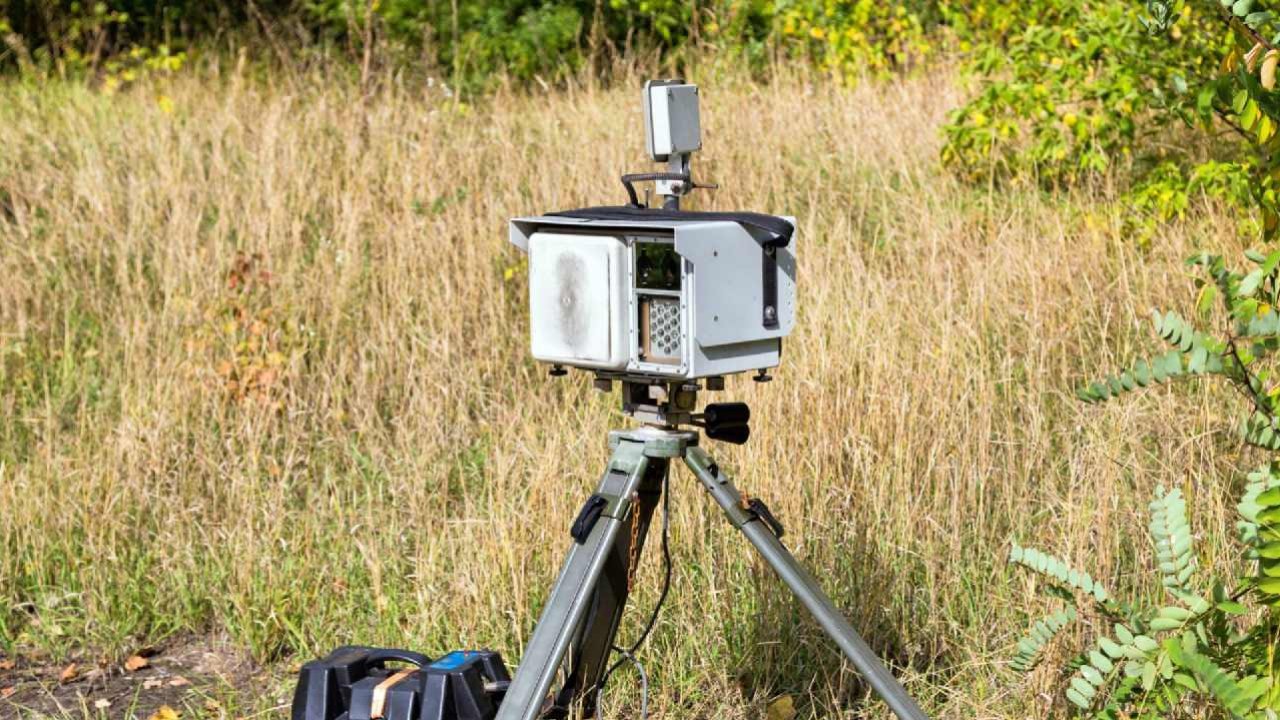
A radar system in Poland has captured an unusual moment that has gone viral across Eastern Europe: an elderly woman using a walker was recorded traveling at 42 kilometers per hour (26 mph), a speed that defies conventional expectations for someone with mobility aids. The incident, documented by traffic enforcement cameras, has sparked both amusement and discussion about the evolving norms of mobility and aging in modern society.
The video, which has circulated widely on social media platforms, shows the individual—identified in local reports as a resident of a small town near Łódź, Poland’s third-largest city—moving at a pace far exceeding typical walking speeds, even for those without mobility limitations. Traffic authorities confirmed the radar reading but declined to comment further on the identity of the driver or the specific circumstances of the incident.
The Speeding Grandmother Phenomenon
While the specifics of the individual’s identity remain private, the incident has resonated particularly strongly in Poland, where cultural attitudes toward aging and independence are undergoing significant shifts. The country’s aging population—nearly 20% of citizens are over 65, among the highest rates in the European Union—has led to growing conversations about mobility solutions that balance safety with autonomy. The viral video has become a symbol of these broader societal changes, blending humor with a more serious examination of how infrastructure and policy must adapt to an older demographic.
Local media reports suggest the incident occurred in early June 2026, though exact details about the location or the individual’s background have not been disclosed. The radar reading itself—42 km/h—is notable not only for its speed but for the context in which it was recorded. Polish traffic laws typically allow for speeds up to 50 km/h (31 mph) on rural roads, but the use of a walker in such conditions raises questions about both personal mobility and public safety regulations.
Cultural and Policy Implications
The phenomenon has also drawn attention to Poland’s evolving approach to urban planning and transportation. As the country’s population ages, there is increasing pressure to redesign public spaces to accommodate diverse mobility needs, from wider sidewalks to better-integrated assistive devices. The viral nature of the incident underscores how quickly such topics can capture public imagination, often serving as a catalyst for broader discussions.

In neighboring countries, similar debates have emerged. For example, Germany has recently expanded its subsidies for mobility aids, while Sweden has introduced pilot programs for “slow zones” in urban areas to accommodate pedestrians of all ages. Poland’s response to this incident—whether through policy changes or public dialogue—could offer a case study for how other nations address the intersection of technology, mobility, and aging demographics.
What’s Next?
For now, the focus remains on the individual at the center of the story, whose actions have inadvertently highlighted a growing trend. Traffic authorities have not indicated any plans to pursue legal action, suggesting the incident may be viewed more as a cultural moment than a traffic violation. Meanwhile, social media platforms continue to share the video, with users debating everything from the practicality of walkers at high speeds to the broader implications for an aging society.

As Poland grapples with these questions, the story serves as a reminder of how even the most mundane moments—captured by a radar gun—can reflect deeper societal shifts.
