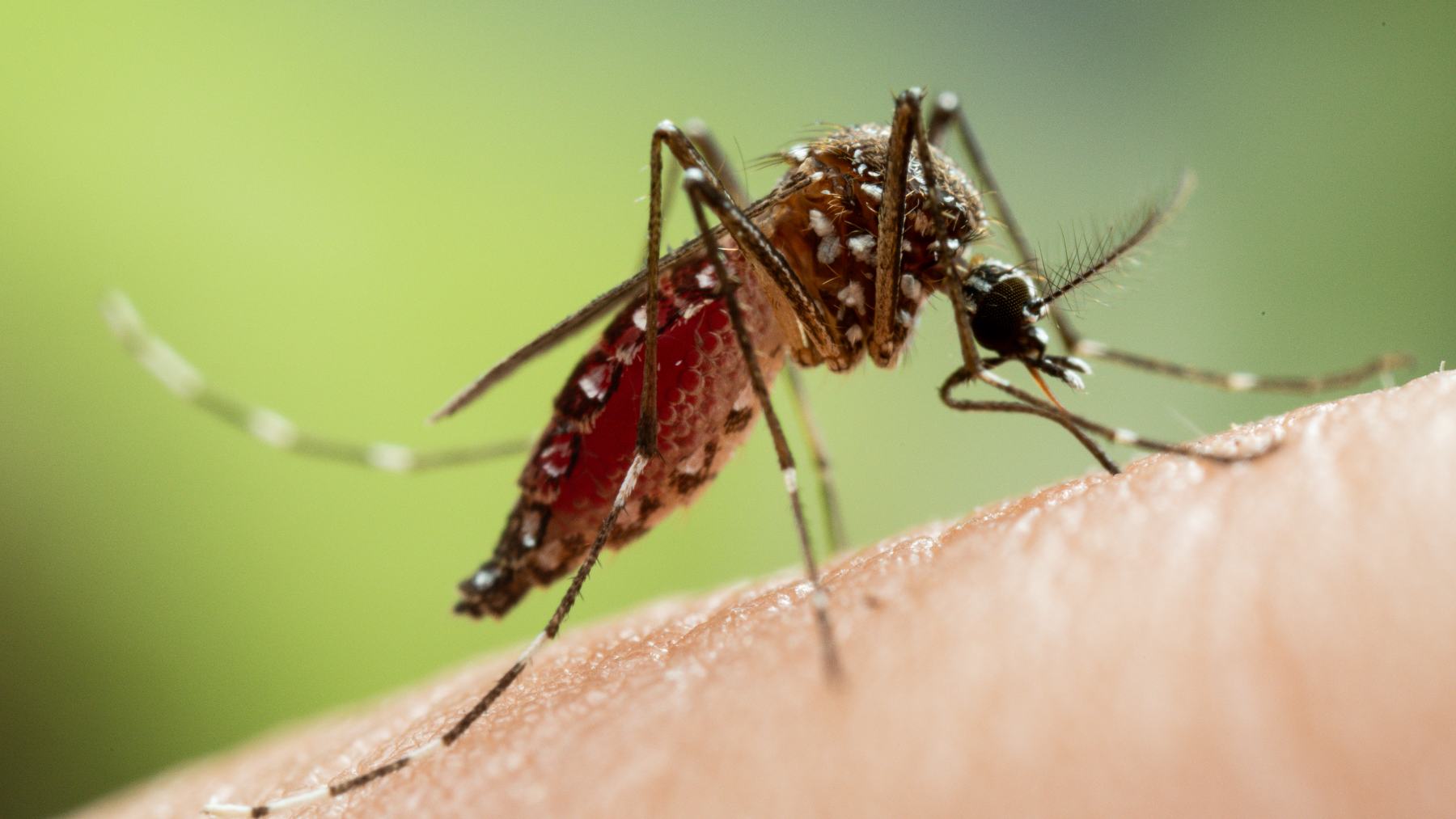
Google is seeking authorization from the U.S. Environmental Protection Agency (EPA) to release up to 32 million mosquitoes infected with Wolbachia bacteria in Florida and California. The initiative aims to curb the transmission of dengue and Zika, with plans to deploy 16 million mosquitoes per state annually over two years, according to reports from El Imparcial and OkDiario.
- Target Areas: California and Florida.
- Mechanism: Mosquitoes infected with the Wolbachia bacterium.
- Objective: Reduction of Zika and dengue virus transmission.
- Regulatory Status: Currently under review by the EPA.
How many mosquitoes will be released?
The scale of the release varies across reports, though all indicate a multi-million insect deployment. According to El Imparcial, Google’s request to the EPA involves releasing 16 million mosquitoes per year in each of the two targeted states over a two-year period, which would total 64 million insects. Gizmodo en Español also reports that more than 64 million infected mosquitoes will be released as part of this epidemiological trial.

Other reports, including one from OkDiario, cite a figure of 32 million mosquitoes. These figures represent a large-scale effort to introduce bacteria-carrying insects into wild populations to disrupt the life cycle of disease-carrying mosquitoes.
What is the purpose of the Wolbachia bacteria?
The strategy focuses on using Wolbachia, a naturally occurring bacterium, to block the ability of mosquitoes to transmit viruses to humans. According to sumedico.com and masnoticias.mx, the primary goal is to combat the spread of dengue and Zika.
When mosquitoes carry Wolbachia, the bacteria compete with viruses like dengue and Zika within the insect’s body. This prevents the viruses from replicating effectively, making it significantly harder for the mosquito to pass the infection to a human host during a bite.
Which agencies are overseeing the project?
The U.S. Environmental Protection Agency (EPA) is the primary regulatory body reviewing the request. According to El Imparcial, the agency is currently evaluating the proposal before granting permission for the releases to begin in California and Florida.
The project is described as an epidemiological test to determine the efficacy of the Wolbachia method in these specific U.S. environments. While the project is led by Google, the execution depends on federal environmental approval to ensure the biological intervention does not cause unforeseen ecological disruptions.
