/2024/03/09/1710007549493.png "1710007549493.png")
Google is deploying a biological control strategy to release millions of mosquitoes infected with Wolbachia bacteria to curb the spread of dengue and Zika. Reports indicate the company plans to release between 32 million and 64 million insects to neutralize the virus-carrying capabilities of the “tiger mosquito” population.
- Objective: Reduce the transmission of dengue and Zika viruses to humans.
- Mechanism: Use of Wolbachia bacteria to block virus replication within the insect.
- Target Species: The Aedes aegypti, commonly known as the tiger mosquito.
- Scale: Reported release numbers vary between 32 million and 64 million mosquitoes.
How Wolbachia Bacteria Blocks Virus Transmission
The strategy relies on Wolbachia, a naturally occurring bacteria found in many insects but not typically in Aedes aegypti. According to reports from sumedico.com and OkDiario, when these mosquitoes are infected with the bacteria, it prevents viruses like dengue and Zika from replicating inside the mosquito’s body.
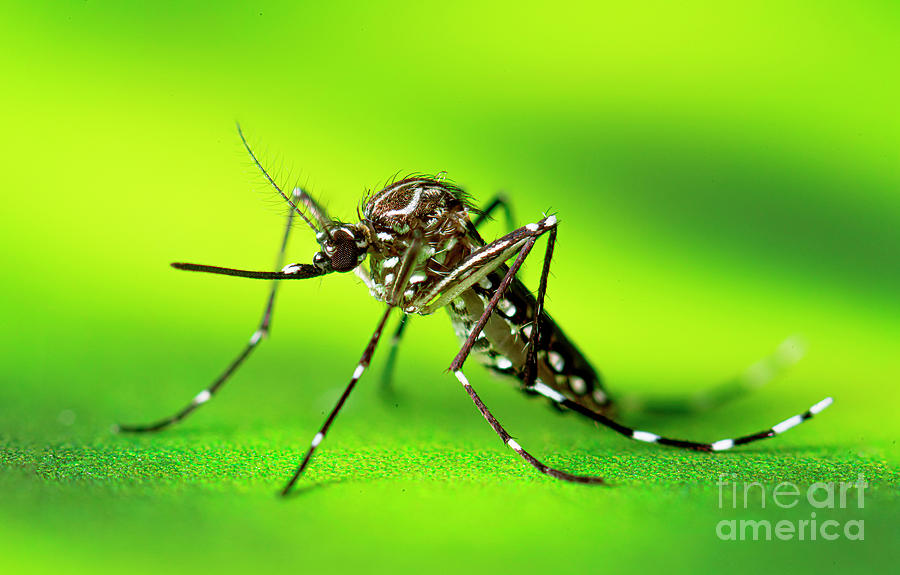
Because the virus cannot grow, the mosquito becomes unable to transmit the disease to humans during a bite. This method does not aim to eradicate the mosquito population entirely but rather to replace the wild, disease-carrying population with a version that is biologically incapable of spreading these specific pathogens.
Conflicting Reports on the Scale of Release
Current reports provide differing figures regarding the total number of mosquitoes involved in the operation. La República reports that Google plans to release 64 million infected mosquitoes. Conversely, OkDiario states the plan involves the release of 32 million insects.
Despite the discrepancy in numbers, both sources indicate that scientists are not concerned about the release. The bacteria used is not harmful to humans or other animals, and the primary goal is the reduction of public health risks associated with mosquito-borne illnesses.
Targeting the Tiger Mosquito in the U.S.
The initiative specifically targets the “tiger mosquito,” or Aedes aegypti, which is a primary vector for several tropical diseases. According to Yahoo en Español and El Tiempo, this plan is being implemented in the United States to combat the threat of dengue and Zika outbreaks.
By introducing Wolbachia-carrying mosquitoes into the environment, the bacteria spreads through the local population via mating. This creates a sustainable, long-term barrier against the viruses without the need for widespread chemical pesticide use.
