
Shipping costs for parcels and cargo from France to Africa are surging due to a blockade in the Strait of Hormuz, according to reports from RFI and Ports et corridors. The disruption in the Persian Gulf is triggering broader maritime inflation and shifting the timing of the industry’s peak season, according to Les Echos.
- Route Disruptions: Blockades in the Strait of Hormuz are driving up prices for shipments from France to Africa.
- Market Inflation: Container shipping rates are spiking, with the annual high season arriving earlier than usual.
- Operational Risks: Naval interference is identified as a critical “blind spot” in global supply chain planning.
- Profitability Gaps: Geopolitical crises are weakening the long-term profitability of shipowners despite short-term rate hikes.
How the Strait of Hormuz Blockade Affects African Trade
The blockade of the Strait of Hormuz has created a direct price spike for goods traveling from France to African destinations. According to RFI, the cost of sending parcels on these routes is “soaring” as a result of the maritime bottleneck. This volatility extends beyond simple parcel post; Ports et corridors reports that the broader effects of the conflict in the Persian Gulf are now extending deep into African trade networks.
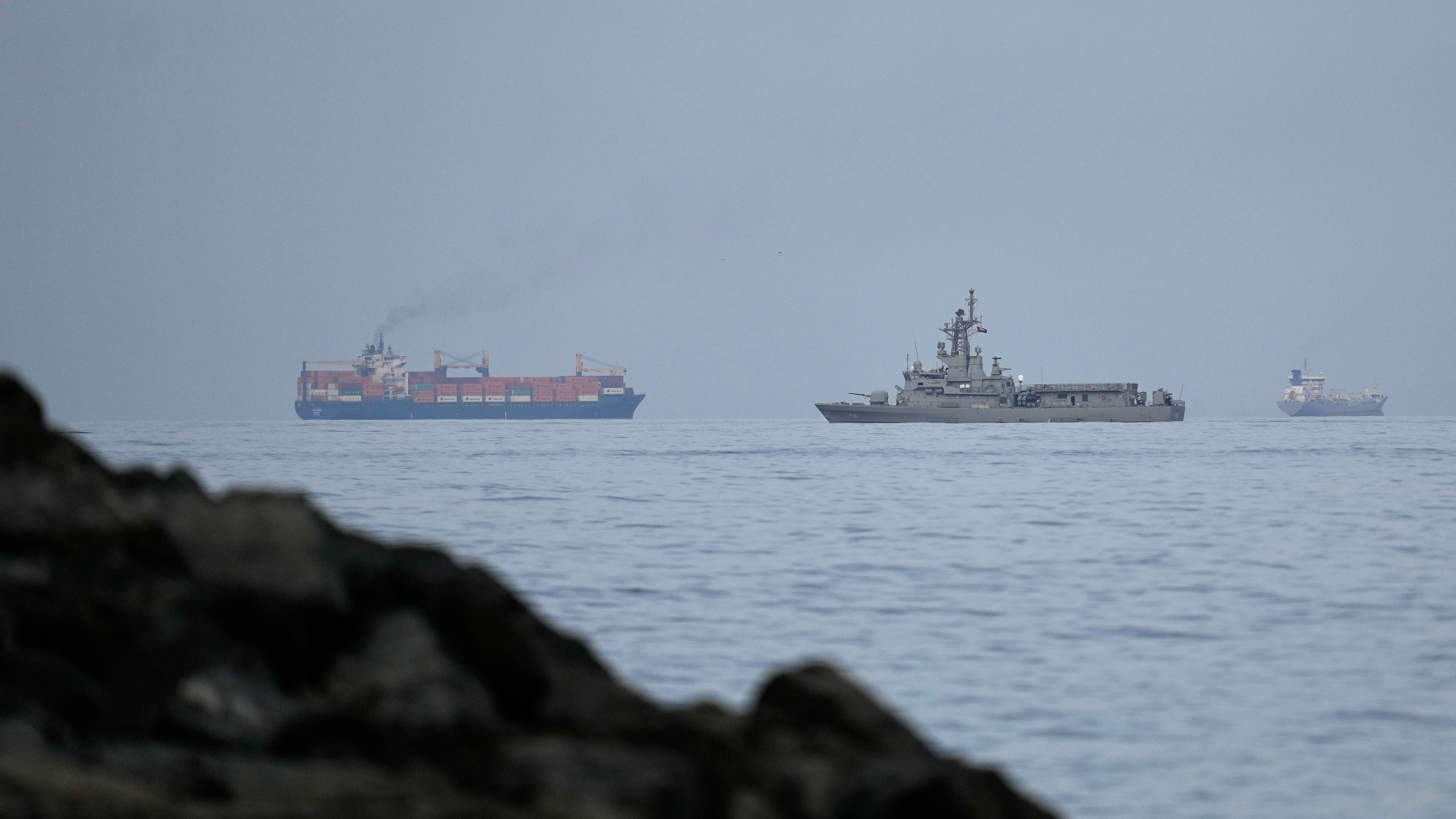
The Strait of Hormuz serves as a primary artery for global oil and cargo. When this passage is obstructed, carriers must either wait or reroute, adding significant time and fuel costs to every voyage. These overheads are passed directly to the shippers and consumers.
Why Container Shipping Rates are Surging
Maritime logistics are facing a period of rapid price escalation. Les Echos reports that container shipping rates are climbing sharply, noting that the industry’s traditional “high season” is starting earlier than expected. This shift puts additional pressure on a system already struggling with capacity.
L’inflation est en roue libre
This “runaway inflation” in shipping costs is compounded by what Foro3D describes as a “blind spot” in the global supply chain: naval interference. The report suggests that many companies failed to account for the risk of military or political intervention in key waterways, leaving them without viable alternatives when primary routes are blocked.
The Financial Strain on Global Shipowners
While rising tariffs might appear to benefit the companies owning the vessels, the underlying financial reality is more complex. According to Mer et Marine, the profitability of shipowners is actually being “fragilized” by ongoing geopolitical crises.
The instability creates a volatile environment where the cost of insurance, security, and fuel can outweigh the gains from higher freight rates. Shipowners are forced to manage unpredictable schedules and increased operational risks, which undermines long-term financial planning and investment in fleet modernization.
