
Global Markets Fall Amid Concern for Tech Stocks While Oil Rises Again
Global stock markets are declining as investors grow wary of the artificial intelligence boom, while oil prices climb due to escalating tensions in the Middle East. According to reports from The Guardian and Reuters, a combination of faltering tech enthusiasm and conflict-driven energy spikes is destabilizing international indices, leaving investors on edge.
Why are Global Stock Markets Declining?
The current downturn in global equities is largely driven by a cooling sentiment toward the technology sector, specifically the firms leading the artificial intelligence (AI) surge. For several quarters, AI-centric companies have acted as the primary engine for market growth, driving indices to record highs. However, that momentum is hitting a wall.
According to The Guardian, global stock markets are falling as concerns persist over the tech firms at the heart of the AI boom. When a market rally is concentrated in a few high-flying stocks, the entire index becomes vulnerable to any sign of weakness in those specific companies. This “concentration risk” means that if the AI narrative shifts from “limitless growth” to “uncertain returns,” the resulting sell-off can drag down diverse portfolios across the globe.
The Mechanics of the AI Rally Falter
Reuters reports that “tumbling tech” is effectively putting the brakes on the AI rally. This typically happens when the market’s expectations for immediate profitability clash with the reality of the massive capital expenditures required to build AI infrastructure. Investors are now questioning whether the productivity gains from AI are arriving fast enough to justify the current valuations of these tech giants.
- Valuation Pressure: High price-to-earnings ratios make tech stocks sensitive to even minor negative news.
- Profitability Gaps: The cost of GPUs and data centers is immense; investors want to see a clear path to revenue.
- Sentiment Shift: A transition from “fear of missing out” (FOMO) to a “risk-off” mentality.
This shift doesn’t just affect Silicon Valley. Because these tech firms are weighted so heavily in global indices, their decline triggers algorithmic selling and a general retreat from equities worldwide.
The Surge in Oil Prices and Middle East Tension
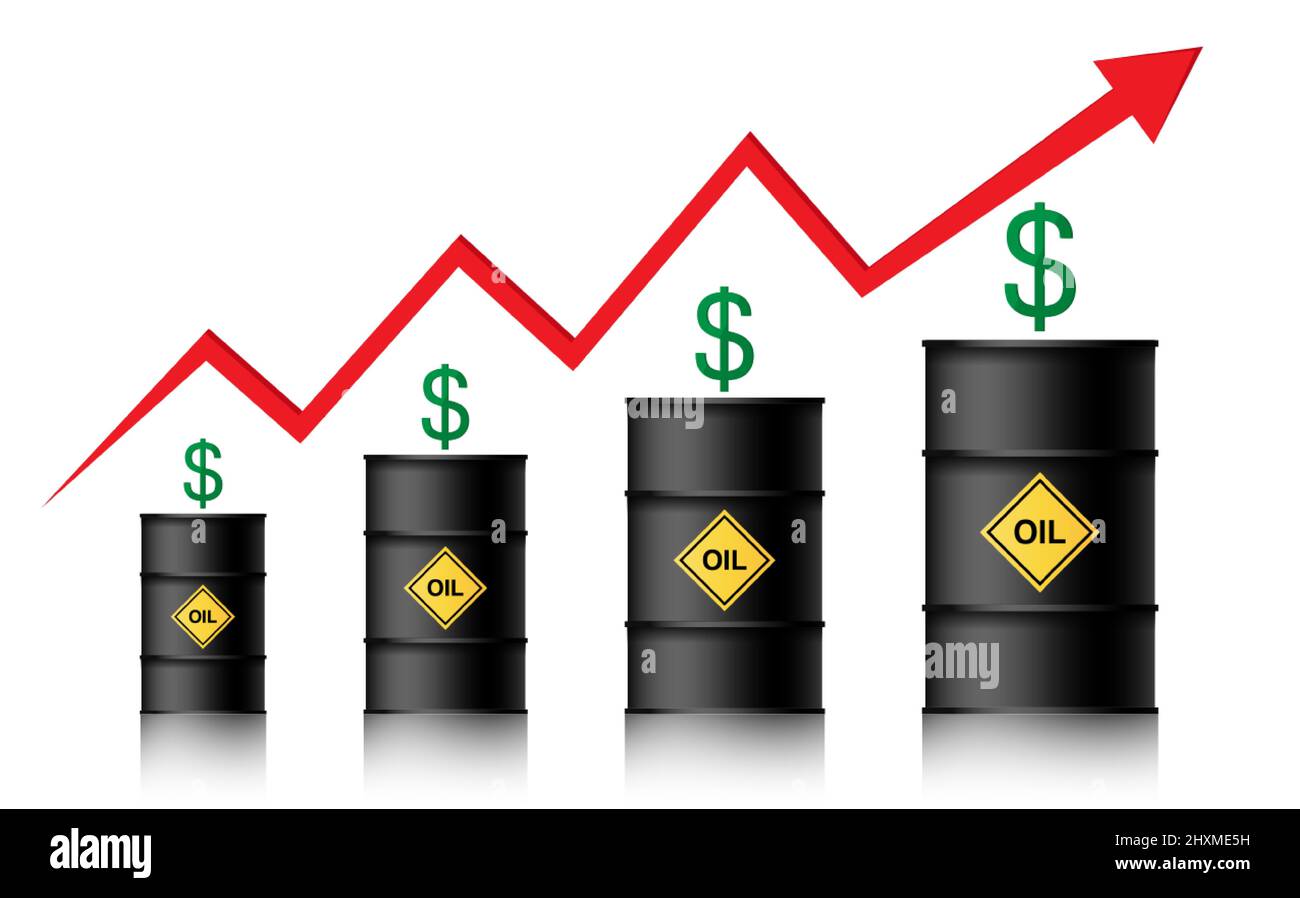
While tech stocks are dragging markets down, the energy sector is moving in the opposite direction. Oil prices are jumping as geopolitical instability in the Middle East intensifies. The relationship between regional conflict and energy costs is direct: uncertainty regarding the stability of oil-producing regions or the safety of shipping lanes leads to a “risk premium” being added to every barrel of crude.
The Guardian notes that stock markets are falling and oil is jumping as the Middle East conflict intensifies. This creates a divergent market where traditional “safe havens” or commodity-linked assets gain value while growth-oriented assets, like tech, lose it.
Iran War Uncertainty and Energy Risk
The volatility is further exacerbated by specific regional threats. CNBC reports that Asia-Pacific markets closed mixed, largely because uncertainty surrounding a potential war involving Iran keeps investors on edge. Iran’s role as a major oil producer and its proximity to the Strait of Hormuz—a critical chokepoint for global oil transit—makes any escalation a direct threat to global energy security.
“Middle East escalation lifts oil,” reports Reuters, highlighting how geopolitical friction acts as a catalyst for price spikes in the energy market.
When investors fear a wider conflict, they anticipate supply disruptions. Even if no oil is actually lost, the possibility of a disruption causes traders to bid up prices, which in turn increases costs for consumers and businesses globally.
Regional Analysis: Asia-Pacific’s Mixed Response
The impact of these two competing forces—tech declines and oil rises—is not uniform across the globe. The Asia-Pacific region provides a clear example of this fragmentation. According to CNBC, these markets closed mixed, reflecting a tug-of-war between different economic drivers.
In many Asian markets, heavy reliance on electronics and semiconductor exports means that the “tumbling tech” trend reported by Reuters hits hard. However, some regional players may benefit from higher energy prices or may be shifting capital into commodities as a hedge against the volatility in the US and European tech sectors.
The “mixed” nature of these closures suggests that investors aren’t in a total panic, but they are repositioning. They’re moving away from the perceived instability of the AI bubble and toward assets that provide a hedge against geopolitical chaos.
The Economic Intersection of Tech Volatility and Energy Costs
The simultaneous fall of tech stocks and the rise of oil is more than just a coincidence; it creates a challenging macroeconomic environment. High energy prices act as a hidden tax on both consumers and corporations, which can stifle the very economic growth that tech companies need to justify their valuations.

If oil continues to rise due to Middle East escalation, it may fuel inflation. Central banks typically respond to inflation by keeping interest rates higher for longer. Since tech companies rely heavily on future earnings, higher interest rates make those future profits less valuable in today’s dollars, further depressing stock prices.
| Market Driver | Current Trend | Primary Cause | Market Impact |
|---|---|---|---|
| AI/Tech Stocks | Falling | Faltering boom/Valuation concerns | Broad index declines; growth slowdown |
| Crude Oil | Rising | Middle East conflict/Iran uncertainty | Increased inflation risk; energy cost spikes |
| Asia-Pacific | Mixed | Tech losses vs. Commodity gains | Regional instability; portfolio hedging |
This “double whammy” of falling growth assets and rising input costs is why the phrase global markets fall amid concern for tech stocks while oil rises again – The Irish Times captures the current mood of the financial world. It’s a transition from a period of easy, tech-led gains to a period of complex, geopolitically-driven volatility.
For a deeper look at how these trends affect specific portfolios, you might find a related explainer on inflation hedges useful.
Common Misconceptions About the Current Market Shift
Many observers mistake the current tech dip for a total “AI crash.” However, based on the reporting from Reuters and The Guardian, this appears to be a “brake” on a rally rather than a complete collapse of the technology. The AI boom isn’t necessarily over; rather, the market is correcting the over-enthusiasm that led to unsustainable price levels.
Similarly, some believe that oil prices rise solely because of production cuts. In this instance, the driver is geopolitical risk. The “Iran war uncertainty” cited by CNBC indicates that the price jump is driven by fear of future disruption, not necessarily a current shortage of oil. This means that if diplomatic tensions ease, oil prices could drop just as quickly as they rose, regardless of actual production levels.
Another misconception is that “mixed” markets in Asia-Pacific mean the region is unaffected. In reality, a mixed close often signals intense internal volatility where gains in one sector (like energy) are barely offsetting losses in another (like tech).
Frequently Asked Questions
Why are tech stocks falling if AI is still growing?
According to The Guardian and Reuters, the decline is not necessarily about the technology failing, but about the “AI boom faltering” in terms of market valuation. Investors are concerned that the stock prices of tech firms have grown faster than their actual ability to generate profit from AI, leading to a market correction.
How does the Middle East conflict affect oil prices?
Conflict in the Middle East, particularly uncertainty involving Iran as reported by CNBC, creates fear of supply disruptions. Because a large portion of the world’s oil passes through this region, any escalation leads traders to increase the price of oil to account for the higher risk of shortage.
What does it mean when Asia-Pacific markets “close mixed”?
A mixed close means that some stock indices or sectors went up while others went down. In this context, it suggests that while tech-heavy sectors suffered, other areas—perhaps those linked to energy or commodities—stayed stable or rose, resulting in an average movement that was neither strongly positive nor strongly negative.
Is this a global recession signal?
The current data points to volatility and a “risk-off” sentiment rather than a confirmed recession. The combination of falling tech stocks and rising oil creates inflationary pressure, which is a risk factor, but the markets are currently reacting to specific events: the AI valuation correction and Middle East escalation.
Who is most affected by these market changes?
Investors with heavy exposure to “Magnificent Seven” style tech stocks are seeing the most immediate losses. Conversely, energy companies and commodity traders are seeing gains. On a broader scale, consumers may feel the impact through higher fuel prices if oil continues to jump.
