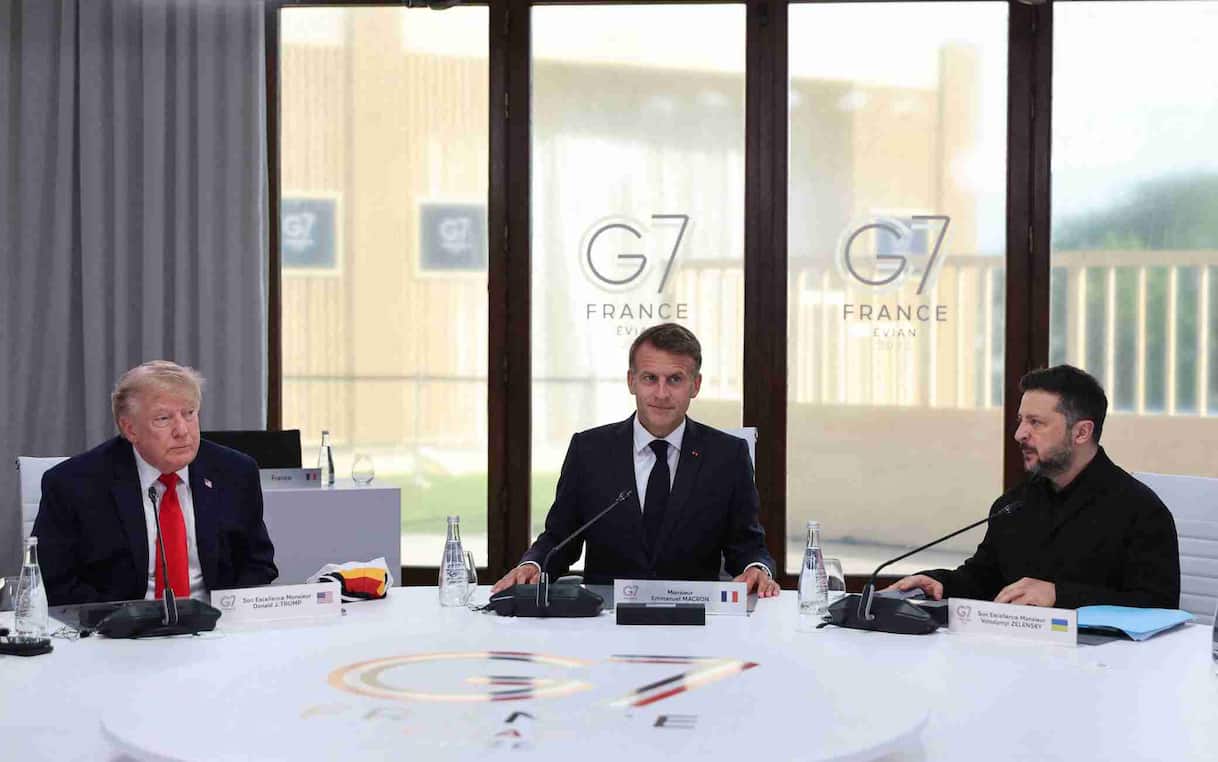
Former U.S. President Donald Trump, speaking at the G7 summit in Evian, France, on Friday called on Russia to negotiate an end to the war in Ukraine, signaling a renewed diplomatic push as Western leaders prepare to discuss further sanctions against Moscow.
Trump’s remarks came during a meeting with French President Emmanuel Macron and Ukrainian President Volodymyr Zelensky, where he emphasized that Washington would do “everything in its power” to facilitate a resolution. The former president also indicated that discussions on Iran—including potential nuclear negotiations—would now proceed to a “second phase,” according to public statements.
Why Trump’s Push for a Ukraine Deal Matters
The G7 summit, held against the backdrop of escalating tensions in Eastern Europe, has placed Ukraine at the center of discussions. Trump’s intervention underscores a shift in focus from broader geopolitical concerns to direct pressure on Russia, a stance that contrasts with the current U.S. administration’s approach. While the Biden White House has maintained a firm stance on supporting Ukraine militarily and economically, Trump’s comments suggest a potential realignment in strategy if he returns to office.
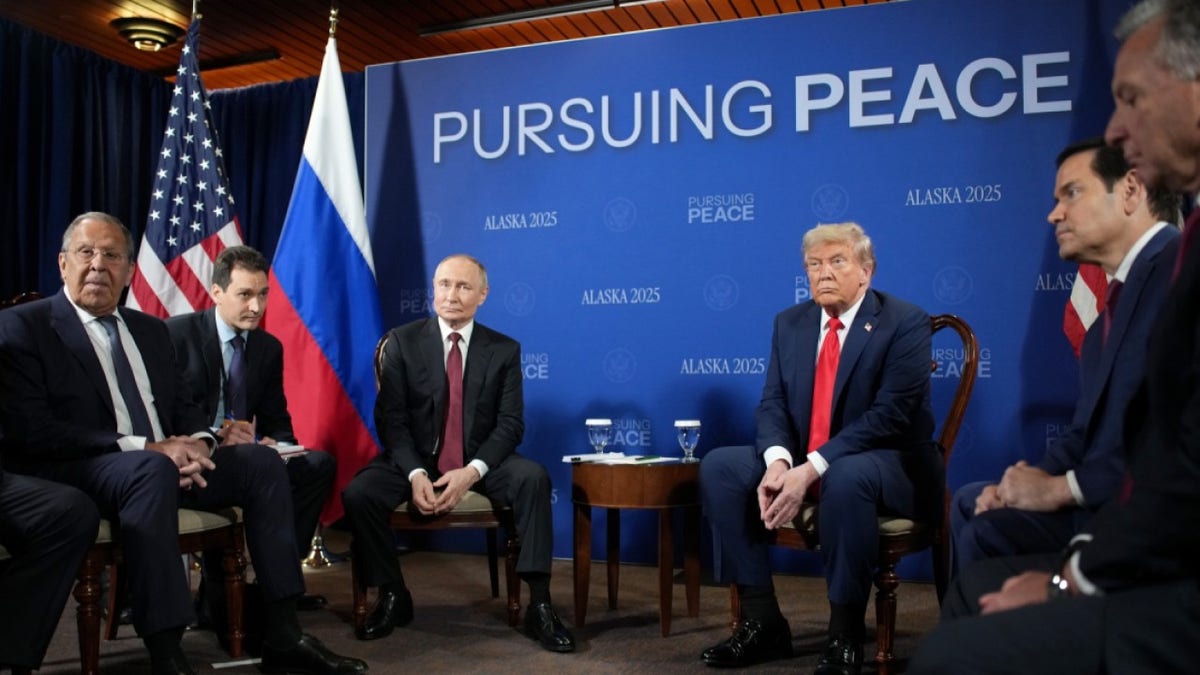
According to international observers, Trump’s call for an accord reflects a long-standing position he has held since the start of the conflict, arguing that direct negotiations between Russia and Ukraine—mediated by neutral parties—could lead to a faster end to the war. However, Ukrainian officials have repeatedly stated that any peace talks must include Russian withdrawal from occupied territories, a precondition Moscow has so far rejected.
Macron, who has previously brokered behind-the-scenes talks between Kyiv and Moscow, welcomed Trump’s involvement but stressed that any solution must be “credible and sustainable.” The French leader has been a vocal advocate for diplomatic engagement, even as NATO allies have grown more skeptical of Russia’s willingness to negotiate.
A Return to Diplomacy—or a Distraction?
Trump’s remarks at the G7 were delivered alongside preparations for new sanctions against Russia, a move that could further isolate Moscow economically. Sources close to the discussions indicate that the U.S. and its European allies are considering measures targeting Russia’s energy sector and key industrial exports, though no final decisions have been announced.
Meanwhile, Trump’s reference to a “second phase” in Iran negotiations suggests a potential shift in U.S. foreign policy priorities. Under the Biden administration, talks on reviving the 2015 nuclear deal have stalled, with Iran demanding broader economic concessions. Trump’s comments hint at a possible return to a harder line on Tehran, a stance that could complicate regional alliances if he were to resume the presidency.
Fast Facts
- Key Players: Donald Trump (former U.S. president), Emmanuel Macron (French president), Volodymyr Zelensky (Ukrainian president).
- Location: G7 summit in Evian, France (June 2024).
- Focus: Ukraine war negotiations, potential new sanctions on Russia, Iran nuclear talks.
- Trump’s Stance: Calls for Russia-Ukraine accord, pledges U.S. support for diplomatic efforts.
- Macron’s Role: Advocates for credible peace talks while preparing for sanctions.
What Happens Next?
With the G7 summit concluding, the immediate focus will be on whether Trump’s diplomatic overtures gain traction. Ukrainian officials have not yet responded publicly to his comments, but Zelensky’s team is expected to assess whether Trump’s proposals align with Kyiv’s demands for territorial integrity. Meanwhile, European leaders are likely to proceed with sanctions discussions, though the timing and scope remain unclear.

If Trump’s remarks signal a broader shift in U.S. policy, the coming months could see renewed efforts to broker a ceasefire—though past attempts have failed to produce meaningful progress. For now, the war in Ukraine remains stalemated, with no clear path to peace in sight.
