
140,000 Euros Awarded After Cashier Asks Question With Known Answer
A court has ordered a payment of 140,000 euros in a legal dispute centered on a cashier asking a question to which the answer was already known. The ruling establishes that procedural formalities cannot substitute for genuine legal compliance, penalizing the company for using redundant queries to mask a failure in mandatory disclosure.
How a Redundant Question Led to a 140,000 Euro Penalty
The case, which gained significant attention via reports including “140,000 euros for a question that the cashier already knows the answer to – Inbox.eu,” centers on the intersection of consumer rights and corporate scripts. The dispute arose when a customer entered into a transaction where the employee followed a predetermined script, asking a confirmation question that the company’s own internal data had already answered.
According to court records, the cashier asked a question designed to verify a specific condition or agreement. However, the evidence showed that the system already held the answer, rendering the verbal inquiry a formality rather than a meaningful interaction. The plaintiff argued that this “check-the-box” approach was used to bypass more stringent legal requirements for transparency and informed consent.
The court found that the redundancy of the question served to deceive the consumer into believing a legitimate verification process was occurring. Instead of providing the required legal protections, the company used a script to create a veneer of compliance. The resulting 140,000 euro award consists of both compensatory damages for the consumer and a punitive element intended to deter similar corporate behavior.
- The Trigger: A cashier asked a verification question despite the system already possessing the answer.
- The Violation: Failure to provide substantive, transparent disclosure as required by consumer law.
- The Penalty: 140,000 euros awarded to the plaintiff.
- The Precedent: Formal scripts do not override the legal necessity for genuine informed consent.
The Legal Distinction Between Formality and Compliance
Legal analysts suggest this case hinges on the difference between “procedural compliance” and “substantive compliance.” Procedural compliance occurs when a company follows the letter of a rule—such as requiring an employee to ask a specific question—without ensuring the rule’s purpose is met. Substantive compliance requires that the actual goal of the law, in this case, the protection and informing of the consumer, is achieved.
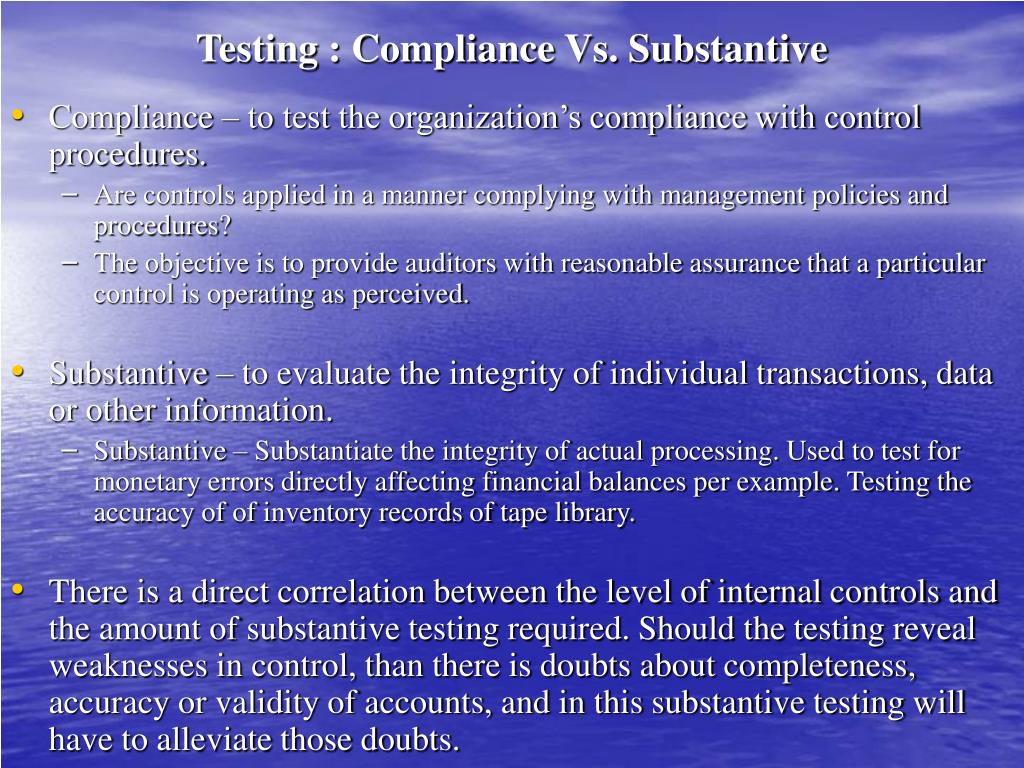
In this instance, the cashier’s question was a procedural step. Because the cashier already knew the answer, the question did not function as a tool for verification or disclosure. The court ruled that when a company knows the answer to its own mandatory questions, the interaction becomes a sham. This effectively nullifies the legal protection the company sought to gain by following the script.
“The law does not protect the mere act of asking; it protects the process of informing. When a question is asked as a formality, it ceases to be a tool of transparency and becomes a tool of obfuscation.”
This distinction is critical for businesses operating under strict consumer protection frameworks. It suggests that “scripting” employees to avoid liability can backfire if the script is not grounded in a real-time, honest exchange of information.
Why the Court Rejected the Company’s Defense
The defendant company argued that their employees were trained to follow a strict protocol to ensure no step was missed. They contended that the cashier’s question was part of a standardized quality-assurance process designed to protect the customer. According to the defense, the fact that the answer was already known did not make the question “wrong,” but rather “thorough.”
The court rejected this argument, citing that the “thoroughness” claimed by the company was actually a mechanism to bypass the need for a detailed explanation of terms. The judge noted that the interaction was designed to lead the consumer toward a specific answer without providing the necessary context for that answer to be “informed.”
Key points from the court’s rejection included:
- The script was designed for efficiency, not for consumer education.
- The company failed to demonstrate how asking a known question benefited the consumer.
- The redundancy of the question indicated a systemic failure to provide genuine disclosure.
The ruling emphasizes that corporate efficiency cannot supersede statutory consumer rights. The 140,000 euro figure reflects the court’s view that the company’s approach was not a simple mistake, but a calculated strategy to minimize the time spent on mandatory disclosures.
Comparing Procedural and Substantive Compliance
To understand why this specific interaction led to such a high payout, it is helpful to contrast how courts view different types of corporate compliance. The following table outlines the differences as applied in this case.

| Feature | Procedural Compliance (Rejected) | Substantive Compliance (Required) |
|---|---|---|
| Method | Following a script or checklist. | Ensuring the customer understands the terms. |
| Goal | Avoiding a technical violation. | Achieving the intent of the law. |
| Interaction | Asking a question with a known answer. | Providing a transparent, honest dialogue. |
| Legal Result | High risk of “sham” ruling. | Strong legal protection for the company. |
Impact on Retail Training and Corporate Liability
This ruling is expected to trigger a review of training manuals across the retail and service sectors. Companies that rely on “compliance scripts” may now find themselves vulnerable if those scripts are viewed as deceptive or redundant. The case highlights a growing judicial intolerance for “dark patterns” in physical retail—tactics designed to nudge consumers into decisions through psychological manipulation or misleading processes.
Legal experts suggest that companies should move away from rigid scripts and instead train employees on the principles of disclosure. This would allow employees to adapt their communication to the actual needs of the customer, rather than simply reading a line to satisfy a corporate checklist.
The financial implications are also significant. A 140,000 euro penalty for a single interaction suggests that courts may use high awards to send a message to larger corporations. If a company scales a deceptive script across thousands of stores, the potential aggregate liability could reach millions of euros.
For those interested in how these laws are evolving, a related explainer on consumer protection statutes can provide further context on the specific regulations cited in similar cases.
Common Misconceptions Regarding This Case
Several misconceptions have emerged following the report of “140,000 euros for a question that the cashier already knows the answer to – Inbox.eu.” One common belief is that any redundant question asked by a worker could lead to a massive lawsuit. This is not the case.

The court’s decision was not based on the redundancy itself, but on the intent and the result. The redundancy was evidence that the company was trying to circumvent a legal duty to inform. If a cashier asks a redundant question out of politeness or a simple mistake, it is unlikely to result in a penalty. The penalty here was a response to a systemic corporate strategy to replace genuine disclosure with a superficial formality.
Another misconception is that this is a “frivolous” lawsuit. In reality, the case addresses a fundamental right: the right to be informed before entering a contract or making a purchase. When a company uses a script to trick a person into “agreeing” to something they haven’t been properly told about, it is viewed as a breach of trust and a violation of the law.
Frequently Asked Questions
Why was the payout so high for a simple question?
The 140,000 euro award was not just for the act of asking a question, but for the systemic failure to provide mandatory legal disclosures. The amount includes compensatory damages and punitive fines intended to punish the company’s deceptive approach to compliance.
Can a company be sued for following its own training manual?
Yes. If a training manual instructs employees to act in a way that is deceptive or violates consumer protection laws, the company is held liable. Following a manual is not a valid defense against a violation of the law.

What is a “redundant question” in a legal context?
In this case, a redundant question is one where the company already possesses the answer through other means but asks the customer anyway to create a false record of “verification” or “consent.”
Does this ruling apply to all retail stores?
While this specific ruling applies to the parties involved, it sets a legal precedent. Any business that uses “sham” procedures to bypass consumer rights laws could potentially face similar legal challenges.
How can businesses avoid this type of liability?
Businesses should ensure that their disclosure processes are substantive and transparent. This means moving beyond scripts and ensuring that customers are actually informed of their rights and the terms of their transaction.
The outcome of this case serves as a warning to corporations that the “letter of the law” is not a shield if the “spirit of the law” is ignored. As consumer protection agencies increase their scrutiny of corporate interactions, the focus is shifting from whether a box was checked to whether the consumer was actually protected.
