Confidence vs. Competence: Evaluating the Flipped Classroom Approach for Enhancing Orthodontic and Cephalometric Competencies in Dental Undergraduates: A Quasi-experimental, Non-randomized Study – Cureus
In the evolving landscape of medical and dental education, the method by which students acquire specialized skills is under intense scrutiny. A recent study, Evaluating the Flipped Classroom Approach for Enhancing Orthodontic and Cephalometric Competencies in Dental Undergraduates: A Quasi-experimental, Non-randomized Study – Cureus, has brought a critical nuance to the forefront: the distinction between a student’s actual diagnostic ability and their perceived confidence in performing clinical tasks.
While traditional lecture-based models have long been the standard for teaching complex subjects like orthodontics, new research suggests that shifting to a “flipped classroom” model—where students engage with material independently before applying it in collaborative, case-based sessions—may not necessarily improve raw diagnostic accuracy, but it significantly transforms how students feel about their professional capabilities. This distinction carries profound implications for how dental schools prepare the next generation of practitioners for the realities of clinical practice.
The Pedagogical Shift: From Passive Listening to Active Application
For decades, dental education has relied heavily on the didactic, instructor-centered approach. In this model, faculty members deliver structured lectures, and students act as passive recipients of information. While efficient for disseminating large volumes of data, this method often struggles to bridge the gap between theoretical knowledge and the complex, decision-heavy environment of a clinical setting.
The “flipped classroom” represents a radical departure from this tradition. In a flipped model, the instructional component is moved outside the classroom, often through pre-recorded lectures or reading assignments. The actual classroom time is then repurposed for active learning, such as analyzing real-world patient cases, discussing diagnostic findings, and engaging in peer-to-peer problem-solving. This shift aims to move the student from a state of memorization to a state of application.
Key differences in educational approaches:
- Instructor-Centered (Didactic): Focuses on the delivery of information from expert to student. emphasizes lecture and passive absorption.
- Student-Centered (Flipped): Focuses on the application of information; emphasizes case studies, discussion, and active problem-solving.
- Goal of the Flipped Model: To enhance engagement and prepare students for the unpredictable nature of clinical diagnosis.
Study Overview: Methodology and Participant Profile
To evaluate the efficacy of these different teaching modalities, researchers conducted a quasi-experimental, non-randomized study focusing on undergraduate dental students. The study specifically targeted the development of orthodontic and cephalometric competencies—skills essential for analyzing dental and facial structures to plan corrective treatments.
The research followed a cohort of 100 fifth-year dental students through a two-stage longitudinal process:
- The Baseline Phase (Fifth Year): Students received predoctoral orthodontics training through a traditional, instructor-led didactic approach. During this phase, they completed orthodontic case analyses and self-reflection surveys to establish a baseline of their diagnostic performance, and confidence.
- The Intervention Phase (Sixth Year): The same group of students was then exposed to a case-based, student-centered flipped classroom approach. This stage focused on applying previously learned concepts to new, complex orthodontic cases.
By using the same group of students across both methods, the study aimed to observe how the change in teaching style influenced both their measurable diagnostic capabilities and their subjective levels of professional confidence.
The Findings: The “Confidence Gap” in Clinical Training
The results of the study presented a complex picture that challenges the assumption that improved student engagement automatically translates to improved technical skill. The data revealed a striking divergence between what students could do and how they felt about what they could do.
Diagnostic Accuracy Remains Constant
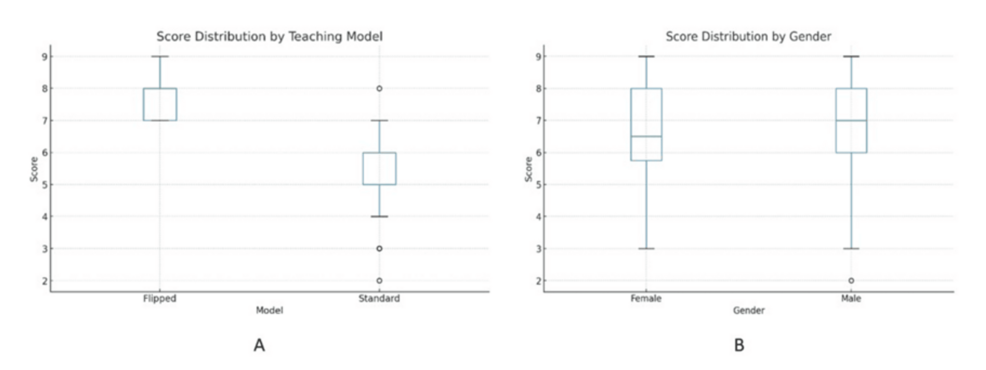
When measuring the actual diagnostic capabilities of the students—specifically their ability to identify orthodontic findings within cases—the study found no significant difference between the two methods. Whether taught through traditional lectures in their fifth year or through the flipped classroom in their sixth year, the students’ ability to correctly analyze and identify orthodontic issues remained statistically similar.
A Surge in Professional Confidence
However, the self-evaluation survey data told a much different story. Despite the lack of a significant jump in raw diagnostic accuracy, the flipped classroom approach led to a notable increase in students’ confidence levels. This boost in confidence was specifically observed in several critical areas of professional development:
- Independent Diagnosis: Students felt more capable of carrying out orthodontic case diagnoses on their own.
- Specialist Communication: There was a marked improvement in how comfortable students felt communicating their findings and discussing cases with orthodontic specialists.
- Clinical Approach: Students reported a higher level of comfort when approaching and tackling new orthodontic cases.
| Metric | Didactic Approach (5th Year) | Flipped Classroom (6th Year) | Observed Change |
|---|---|---|---|
| Diagnostic Capability | Standard baseline | Standard performance | No significant difference |
| Confidence in Diagnosis | Baseline level | Increased | Notable enhancement |
| Specialist Communication | Lower comfort | Higher comfort | Significant improvement |
| Case Approach Comfort | Standard | Higher comfort | Notable enhancement |
Analyzing the Implications: Why Confidence Matters
At first glance, the finding that diagnostic ability did not improve might seem like a failure of the flipped classroom model. However, in the context of medical and dental education, the increase in confidence is a vital outcome. The “confidence gap” identified in this study suggests that while the technical skill may take longer to master, the psychological readiness required to enter a clinical environment is significantly bolstered by active learning.

For a dental student, the transition from the classroom to the clinic is often fraught with anxiety. A student may technically know the correct answer but may lack the professional “voice” to communicate that answer to a supervisor or a specialist. The study indicates that the flipped classroom excels at building this professional identity. By forcing students to engage with cases actively, the model simulates the communicative and decisional pressures of real-world practice, thereby reducing the intimidation factor of specialist interaction.
Related explainer on [modern medical pedagogy and student mental health]
Remaining Challenges: The Treatment Planning Hurdle
Despite the successes in confidence-building, the study highlighted a persistent area of struggle for final-year dental students. While students felt more comfortable diagnosing a problem, they remained notably uncertain about the next logical step: creating initial treatment plans and referring cases at an early stage.
This suggests that while case-based learning is excellent for identifying what is wrong, it may require even more specialized, intensive training to teach students how to manage the subsequent clinical journey. The leap from “diagnosis” to “comprehensive treatment planning” is a sophisticated cognitive task that involves predicting long-term outcomes, managing patient expectations, and understanding the logistical nuances of referrals. The study concludes that even with enhanced confidence, this area remains a significant hurdle for undergraduates transitioning into professional life.
Practical Takeaways for Dental Educators
The findings of this study provide a roadmap for curriculum developers looking to modernize dental training. The evidence suggests that a hybrid approach may be most effective:
- Leverage the Flipped Model for Soft Skills: Use student-centered, case-based learning to build the “soft skills” of dentistry—communication, confidence, and clinical approachability.
- Reinforce Technical Mastery: Recognize that increased engagement does not automatically guarantee increased accuracy. Continued, rigorous, and perhaps more frequent testing of diagnostic skills is necessary to ensure technical competence keeps pace with confidence.
- Bridge the Planning Gap: Develop specific modules focused on the transition from diagnosis to treatment planning. This might include simulation-based training where students must defend their proposed treatment plans in a mock-clinical setting.
As dental schools continue to navigate the demands of modern healthcare, the lessons from this study underscore that education is not just about what a student knows, but how prepared they feel to use that knowledge in the service of their patients.
Frequently Asked Questions
What is a “flipped classroom” in the context of dental education?
A flipped classroom is a teaching method where students study the theoretical components of a subject (like watching lectures or reading) on their own time. Classroom time is then used for active, hands-on learning, such as discussing patient cases or practicing diagnostic techniques under faculty supervision.
Did the study show that students became better at diagnosing orthodontic issues through flipped learning?
Interestingly, the study found no significant difference in the actual diagnostic capabilities or findings between the traditional lecture-based method and the flipped classroom approach. The students’ ability to identify orthodontic issues remained similar across both methods.

If diagnostic skills didn’t improve, why is the flipped classroom approach beneficial?
The primary benefit was a significant increase in student confidence. Students reported feeling much more comfortable performing independent diagnoses, communicating with specialists, and approaching complex orthodontic cases, which are essential skills for clinical practice.
What is the main weakness identified in final-year dental students?
The study found that even after the flipped classroom approach, final-year students still expressed uncertainty regarding how to create initial treatment plans and when to refer cases to specialists at an early stage.
What are cephalometric competencies?
Cephalometric competency refers to the ability of a dental professional to analyze cephalometric radiographs (specialized X-rays of the head and face). This analysis is crucial for understanding the relationship between the teeth, jaw, and skull to plan orthodontic treatment effectively.
