
‘I found my purpose after ADHD diagnosis at 39’ – BBC: The Impact of Late-Life Neurodivergence
A woman diagnosed with Attention Deficit Hyperactivity Disorder (ADHD) at age 39 reports a transformative shift in her self-perception and life direction, according to a report by the BBC. This late-stage diagnosis highlights a growing trend of adults identifying neurodivergence after decades of masking symptoms, often leading to a transition from chronic self-criticism to a clarified sense of personal and professional purpose.
How a Diagnosis at 39 Changes Life Perspective
For many adults, receiving an ADHD diagnosis in their late 30s or 40s acts as a retrospective lens, recontextualizing a lifetime of perceived failures. According to the BBC report, the individual diagnosed at 39 experienced a profound shift in identity, moving away from the belief that they were fundamentally “broken” or “lazy” and toward an understanding that their brain functions differently.
This psychological shift often involves the realization that struggles with organization, time management, and emotional regulation are biological rather than moral failings. When a person spends nearly four decades attempting to adhere to neurotypical standards of productivity, the mental toll is often cumulative. The BBC account suggests that the diagnosis provided a “missing piece” of a puzzle, allowing the individual to stop fighting their natural inclinations and instead build a life that accommodates them.
Key shifts reported following a late-life diagnosis include:
- Elimination of shame: Replacing self-blame with clinical understanding.
- Cognitive reframing: Viewing “distractibility” as a capacity for divergent thinking.
- Environmental adjustment: Changing how they work and live to suit an ADHD brain rather than forcing the brain to fit a rigid structure.
Why Adult ADHD Diagnoses Are Increasing
The rise in adults seeking ADHD assessments is not necessarily an increase in the prevalence of the disorder, but rather an increase in recognition and diagnostic accessibility. Historically, ADHD was viewed almost exclusively as a childhood condition, specifically one that manifested as hyperactivity in young boys. This narrow definition left many women and “inattentive type” individuals overlooked for decades.
Medical professionals note that many adults, particularly women, engage in “masking.” Masking is the process of consciously or unconsciously mimicking neurotypical social behaviors to hide ADHD traits. This often involves over-compensating by becoming hyper-organized or obsessively checking lists to avoid the mistakes that naturally occur due to executive dysfunction. While masking allows an individual to “blend in,” it is mentally exhausting and often leads to burnout, anxiety, and depression.
The BBC report underscores that by age 39, the cognitive load of masking often becomes unsustainable. Life demands—such as advancing in a career, managing a household, or parenting—increase in complexity, eventually breaking through the coping mechanisms the individual developed in their 20s. This “breaking point” frequently drives adults toward a clinical evaluation.
“Finding out I had ADHD at 39 wasn’t just about a label; it was about finally having a map for a territory I had been wandering blindly for years.”
Understanding Executive Dysfunction in Adulthood
At the core of the ADHD experience is executive dysfunction. Executive functions are the mental skills managed by the frontal lobe of the brain, which act as the “CEO” of the mind. In a neurotypical brain, these functions coordinate tasks, manage time, and regulate emotions. In an ADHD brain, this coordination is inconsistent.
According to clinical descriptions of the disorder, executive dysfunction manifests in several specific ways that can derail an adult’s professional and personal life:
Working Memory Deficits
Many adults with ADHD struggle with working memory—the ability to hold information in mind while performing a task. This results in the “walking into a room and forgetting why” phenomenon or losing the thread of a conversation. For a 39-year-old professional, this can be misinterpreted by colleagues as a lack of interest or incompetence.
Emotional Dysregulation
ADHD is not just about attention; it is about regulation. This includes the inability to modulate emotional responses. Adults may experience “Rejection Sensitive Dysphoria” (RSD), where perceived criticism or rejection triggers intense emotional pain. Understanding this as a symptom of ADHD, rather than a personality flaw, is a critical part of finding “purpose” and stability after diagnosis.
The Struggle with Task Initiation
The “ADHD paralysis” often described by adults is the inability to start a task, even one they want to do. This is not a lack of willpower but a struggle with the brain’s dopamine reward system. The brain struggles to prioritize tasks that do not provide an immediate hit of stimulation, leading to chronic procrastination and a subsequent cycle of guilt.
For more information on how these symptoms manifest across different age groups, see our related explainer on neurodivergence in the workplace.
The Path to Finding Purpose After Diagnosis
The BBC report highlights that the diagnosis was the catalyst for finding a “purpose.” This occurs because the individual stops trying to succeed in roles or environments that are antithetical to their brain chemistry.
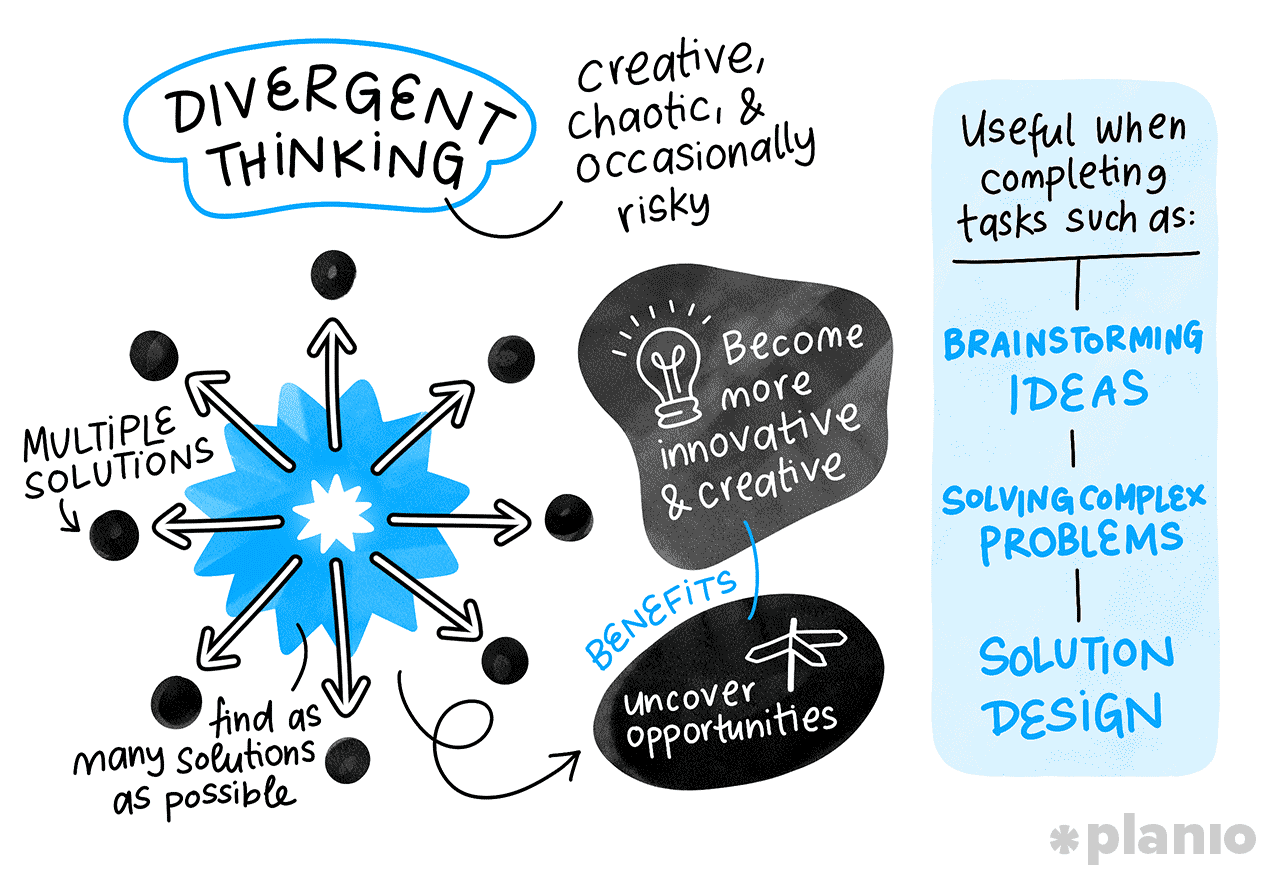
When an adult understands their ADHD, they can lean into the strengths often associated with the condition. While ADHD presents challenges, it also frequently correlates with specific advantages:
| ADHD Challenge | Potential “Purpose-Driven” Strength |
|---|---|
| Distractibility | Ability to make connections between disparate ideas (Divergent Thinking) |
| Hyperfocus | Capability for intense, deep-work bursts on high-interest projects |
| Impulsivity | Willingness to take risks and innovate quickly |
| Restlessness | High energy and ability to multitask in crisis situations |
Finding purpose after 39 often involves a career pivot or a modification of current job duties. Instead of forcing themselves into a rigid 9-to-5 administrative role that requires meticulous linear organization, many late-diagnosed adults move toward entrepreneurial ventures, creative arts, or high-stimulation roles (such as emergency medicine or sales) where their natural pace is an asset rather than a liability.
The Diagnostic Process for Adults
Obtaining a diagnosis at 39 is significantly different from the process for a child. While children are often referred by teachers or parents based on observable behavior in a classroom, adults must typically self-advocate.
The diagnostic path usually involves several stages:
- Self-Screening: Many adults begin by identifying with symptoms described in clinical literature or by others’ shared experiences.
- Primary Care Consultation: A GP or family doctor provides an initial screening, though they often refer the patient to a specialist.
- Psychiatric Evaluation: A psychiatrist or psychologist conducts a comprehensive clinical interview, reviewing the patient’s developmental history.
- Differential Diagnosis: The clinician must rule out or identify comorbidities. ADHD frequently co-occurs with anxiety, depression, or autism spectrum disorder (ASD).
A significant hurdle in the adult diagnostic process is the requirement for childhood evidence. Many clinicians require proof that symptoms were present before age 12. For those who masked effectively as children, this can be difficult, requiring them to track down old school reports or interview parents to find evidence of “daydreaming” or “disorganization” that was overlooked at the time.
Common Misconceptions About Adult ADHD
The narrative of finding purpose at 39 challenges several persistent myths about the disorder. The BBC story serves as a counter-point to the idea that ADHD is a “disorder of childhood” or a result of modern lifestyle choices.
Myth: ADHD is caused by too much screen time
While digital distractions can exacerbate ADHD symptoms, the disorder is neurobiological. Brain imaging studies have shown structural and functional differences in the prefrontal cortex and basal ganglia of those with ADHD. It is a lifelong condition, not a byproduct of smartphone usage.
Myth: If you are successful, you can’t have ADHD
The individual in the BBC report proves that success and ADHD can coexist, but often at a high internal cost. High-achieving adults with ADHD often use “anxiety-driven productivity,” where the fear of failure provides the dopamine necessary to complete tasks. This leads to professional success but personal burnout.
Myth: Medication is the only solution
While medication can be a vital tool for regulating dopamine and norepinephrine, the “purpose” found after diagnosis often comes from lifestyle design. This includes “body doubling” (working in the presence of others), using visual timers, and breaking tasks into micro-steps.
Societal and Economic Implications of Late Diagnosis
The trend of late-life ADHD diagnosis has broader implications for the workforce and healthcare systems. When a significant portion of the adult population is undiagnosed, the economic cost is measured in lost productivity, frequent job changes, and increased healthcare spending on secondary conditions like clinical depression.
Companies are beginning to recognize the value of “neurodiversity.” Rather than viewing ADHD as a deficit, some organizations are implementing flexible work arrangements that allow for hyperfocus periods and asynchronous communication. This shift acknowledges that a brain that cannot sit still for eight hours in a cubicle may be the same brain that solves a complex problem in two hours of intense focus.
However, the gap in healthcare access remains a critical issue. In many regions, the wait time for an adult ADHD assessment can stretch into years. This delay can be devastating for someone who has spent 39 years wondering why they cannot function as others do, potentially leading to a crisis of identity before the diagnosis is finally reached.
Frequently Asked Questions
Can ADHD really be diagnosed for the first time at 39?
Yes. While ADHD is a developmental disorder present from childhood, it often goes undetected if the person has high intelligence or strong coping mechanisms (masking). Many adults only seek diagnosis when their current life demands exceed their ability to cope.
What is the difference between ADHD in children and adults?
In children, ADHD often manifests as physical hyperactivity (fidgeting, running). In adults, this often transforms into internal restlessness, racing thoughts, or emotional impulsivity. Adults are also more likely to struggle with “executive functions” like long-term planning and organization.
How does a diagnosis help someone find “purpose”?
Diagnosis removes the stigma of “failure.” By understanding that their brain requires different stimulation and structure, individuals can stop pursuing goals based on neurotypical expectations and instead seek careers and hobbies that align with their natural strengths, such as creativity and rapid problem-solving.
Is medication necessary for adults with ADHD?
Medication is a common treatment, but it is not the only one. Many adults find success through a combination of cognitive behavioral therapy (CBT), ADHD coaching, and environmental modifications. The decision is typically made between the patient and their healthcare provider.
Why are more women being diagnosed in adulthood?
Historically, ADHD diagnostic criteria were based on hyperactive boys. Women often present with the “inattentive” type, characterized by daydreaming and internal distraction rather than outward disruption. Consequently, they are often misdiagnosed with anxiety or depression until later in life.
