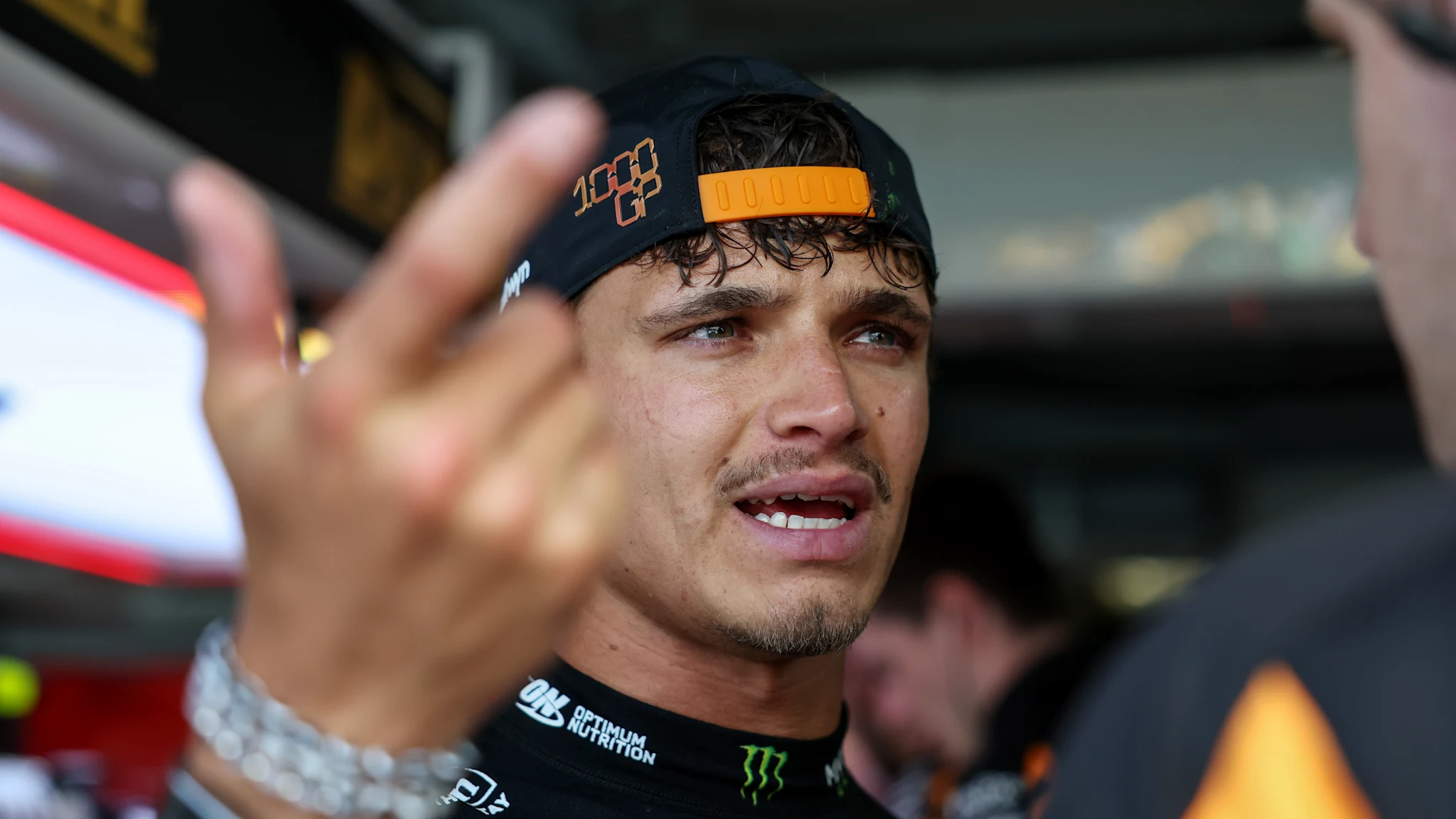
McLaren Responds to FP2 Stoppage: Norris’ Car Update and FIA Investigation in Monaco
The Monaco Grand Prix weekend has been marked by unexpected challenges for the McLaren Formula 1 team, as Lando Norris’s car was forced to retire during the second practice session (FP2) due to a technical issue. The incident has prompted a swift response from the team and triggered an investigation by the Fédération Internationale de l’Automobile (FIA), the governing body of motorsport. This article delves into the details of the stoppage, McLaren’s statement and the broader implications for the team and the sport.
What Happened During FP2?
The Monaco Grand Prix, known for its tight streets and high-stakes racing, presented an early hurdle for McLaren. During FP2, Lando Norris’s car experienced a sudden mechanical failure, forcing the British driver to retire from the session. The exact nature of the fault remains under investigation, but initial reports suggest an electrical or mechanical issue that impacted the car’s performance.
Despite the setback, Norris described the incident as “unforeseen” and emphasized the team’s commitment to identifying the root cause. “We’re working closely with the engineers to understand what went wrong,” he said in a post-session statement. “Our priority is to ensure the car is safe and competitive for the rest of the weekend.”
McLaren’s Immediate Response
Following the stoppage, McLaren issued a detailed statement addressing the situation. The team acknowledged the challenge but remained confident in their ability to resolve the issue. “We’re disappointed with the FP2 incident, but our technical staff is thoroughly investigating the problem,” the statement read. “Our focus is on delivering a reliable and competitive car for the remainder of the weekend.”

The statement also highlighted the team’s proactive approach to problem-solving. “We’ve implemented a series of checks and diagnostics to prevent similar issues in the future,” the team added. This response underscores McLaren’s reputation for technical innovation and adaptability, key traits in the high-pressure environment of Formula 1.
The FIA’s Role in the Investigation
The FIA, as the governing body of motorsport, has a critical role in ensuring compliance with technical regulations. In response to the incident, the FIA has launched an investigation into the alleged technical breach. While the specifics of the inquiry remain confidential, the FIA’s involvement signals the seriousness of the matter.
According to the FIA’s official guidelines, teams must adhere to strict technical regulations to maintain fairness and safety. Any deviation from these rules can result in penalties, including fines or disqualification. The FIA’s investigation will likely focus on whether the incident was a result of a technical violation or an unforeseen mechanical failure.
Context and Implications
The Monaco Grand Prix is a pivotal event in the Formula 1 calendar, with its unique challenges testing both drivers and teams. The incident involving Norris highlights the delicate balance between performance and reliability in Formula 1. Teams must continuously innovate while ensuring their cars meet the highest standards of safety and compliance.
For McLaren, the incident adds to the pressure of an already competitive season. The team has been striving to close the gap with leading rivals such as Red Bull and Ferrari. A technical issue during the Monaco weekend could have broader implications for their overall strategy, particularly with the upcoming races in Europe and the United States.
Reactions from the F1 Community
The F1 community has responded to the incident with a mix of concern and support. Fans and analysts alike have expressed hope that the issue will be resolved quickly, allowing Norris to compete in the remaining sessions. Some have also called for transparency from the FIA, emphasizing the importance of clear communication in maintaining the integrity of the sport.
Former drivers and commentators have weighed in on the situation, noting the challenges of racing in Monaco. “Monaco is a unique track, and even the slightest issue can have a significant impact,” said a former F1 driver in a recent interview. “It’s a test of a team’s ability to adapt and respond under pressure.”
Potential Consequences for McLaren
The outcome of the FIA’s investigation will be crucial in determining the potential consequences for McLaren. If the incident is found to be a technical violation, the team could face penalties that affect their standings in the championship. However, if the issue is deemed a genuine mechanical failure, the team may avoid any formal sanctions.
Regardless of the outcome, the incident serves as a reminder of the complexities involved in Formula 1. Teams must navigate a
