Russell fastest from Piastri and Leclerc in Barcelona FP1 – Formula 1
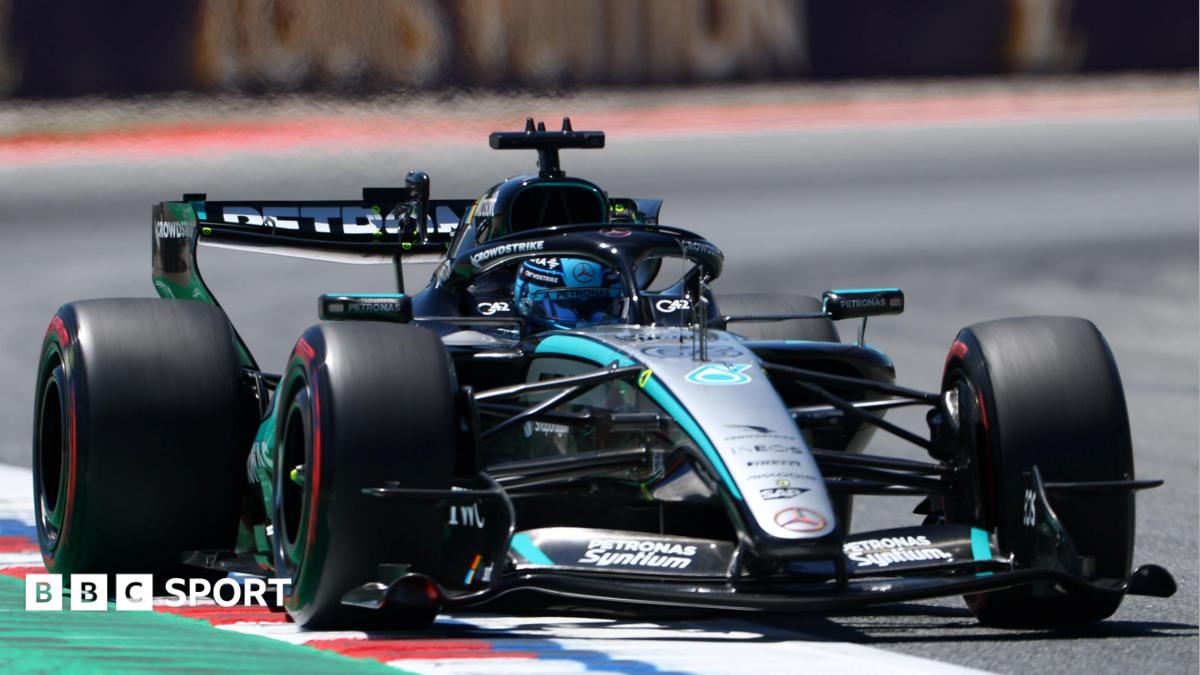
George Russell topped the timesheets during the first practice session (FP1) of the Barcelona-Catalunya Grand Prix, finishing ahead of McLaren’s Oscar Piastri and Ferrari’s Charles Leclerc. The session served as a critical evaluation period for teams, featuring the participation of seven rookie drivers while established stars like Lewis Hamilton and prospect Kimi Antonelli remained sidelined.
Who topped the timesheets in Barcelona FP1?
George Russell secured the fastest lap of the opening practice session at the Circuit de Barcelona-Catalunya. According to official session timing, Russell led a competitive field, signaling early pace for Mercedes. Oscar Piastri followed in second position, representing McLaren, while Charles Leclerc rounded out the top three for Ferrari.
The gap between the top three reflects the tight competition currently defining the front of the grid. While FP1 is primarily used for data collection and car setup rather than raw qualifying simulations, the order suggests that the primary contenders are operating within a similar performance window heading into the weekend.
| Position | Driver | Team |
|---|---|---|
| 1 | George Russell | Mercedes |
| 2 | Oscar Piastri | McLaren |
| 3 | Charles Leclerc | Ferrari |
Which rookies participated in the first practice session?
A significant narrative of the Barcelona FP1 session was the integration of young talent. Official entry lists confirmed that seven rookie drivers took to the track. Formula 1 regulations mandate that teams provide a minimum number of practice sessions to rookies to ensure their development and safety on the grid.
These outings allow teams to gather additional data through a second set of eyes and hands in the cockpit. For the rookies, the session provides an essential opportunity to acclimate to the high-downforce requirements of the Barcelona circuit under real-world conditions. The presence of seven rookies in a single session highlights the current pipeline of talent attempting to break into the 20-driver limit of the sport.
- Rookie Volume: Seven drivers without full-season experience participated.
- Objective: Data gathering and driver evaluation.
- Regulatory Driver: Compliance with FIA rookie mileage requirements.
Why did Lewis Hamilton and Kimi Antonelli sit out FP1?
Not every primary driver or high-profile prospect participated in the first session. Lewis Hamilton was among the notable absences from the cockpit during FP1. Team strategies often dictate that veteran drivers sit out the initial session to prioritize the rookie requirements or to focus on technical briefings and setup analysis from the garage.
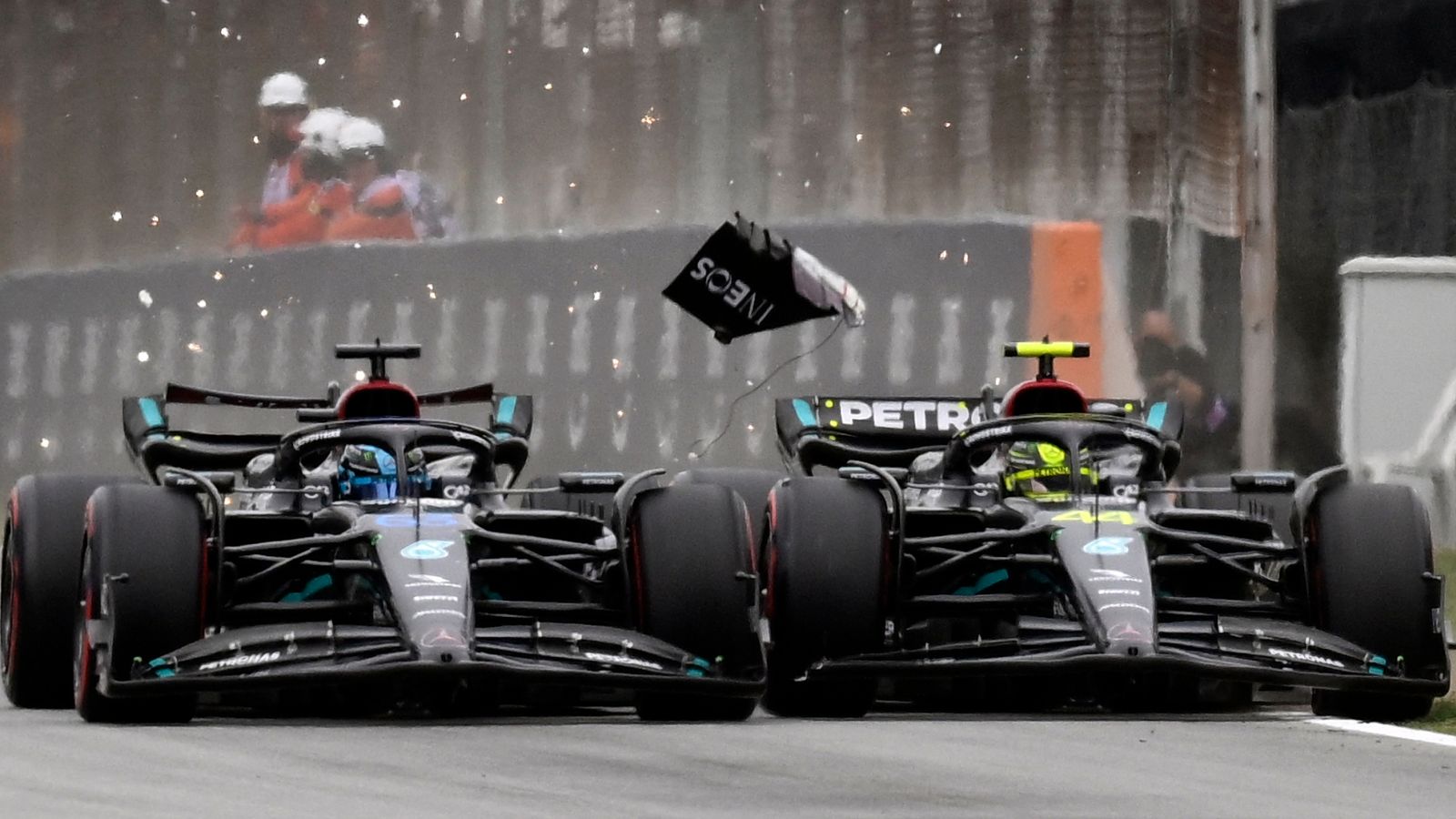
Kimi Antonelli also did not feature in the session. Despite the high anticipation surrounding his progression within the Mercedes ecosystem, the decision to keep him out of FP1 suggests a calculated approach to his integration. Teams frequently stagger rookie outings to avoid overwhelming the garage staff or to ensure the car is in a stable enough condition before a newcomer takes the wheel.
The absence of veteran drivers in FP1 is a common strategic move, allowing teams to maximize the mandatory rookie hours without sacrificing the primary driver’s energy or focus for the more critical FP2 and FP3 sessions.
How does the Barcelona circuit impact FP1 performance?
The Circuit de Barcelona-Catalunya is widely regarded as one of the most demanding tracks on the calendar due to its variety of corners and high energy loads on the tires. This makes FP1 results particularly nuanced. Performance in the first session is often more about “balance” than absolute speed.
Drivers like Russell, Piastri, and Leclerc must balance the car’s agility in the slow-speed sections with stability in the long, sweeping right-handers. Because the track is a staple for pre-season testing, teams have a wealth of historical data, but the evolving nature of the 2024 technical regulations means that old data is often secondary to real-time telemetry gathered during these opening laps.
Key Technical Challenges in Barcelona
- Tire Degradation: The track is notorious for “eating” tires, particularly in the final sector.
- Aerodynamic Load: High-speed corners require a precise aero balance to avoid understeer.
- Track Temperature: Fluctuations in Spanish heat can shift the optimal tire pressure and compound choice mid-session.
What is the significance of the rookie rule in Formula 1?
The inclusion of seven rookies in Barcelona FP1 is not a coincidence but a result of the FIA’s framework designed to prevent “talent stagnation.” By requiring teams to give rookies track time, the sport ensures that the next generation of drivers can handle the physical and mental loads of a Grand Prix weekend.

For a team, a rookie in FP1 provides a “baseline” comparison. While a rookie may not set the fastest lap, their feedback on the car’s behavior helps engineers verify the data they are receiving from the primary driver. If both a veteran and a rookie report the same instability in Turn 3, the team knows the issue is mechanical rather than a driver-specific preference.
This system also acts as a high-pressure audition. With seven rookies fighting for limited seats, every lap in a session like Barcelona FP1 is scrutinized by team principals and sponsors. A clean, consistent session can be the difference between a reserve role and a full-time race seat.
Comparing the top three teams’ early pace
The top three positions—Mercedes, McLaren, and Ferrari—represent the three teams currently most capable of challenging Red Bull’s dominance. The fact that Russell led the session indicates that Mercedes has found a competitive setup early in the weekend.
McLaren’s Oscar Piastri continuing to show strength suggests that the team’s recent upgrades are translating well to the high-downforce nature of the Spanish track. Meanwhile, Ferrari’s Charles Leclerc remaining in the top three reinforces the SF-24’s versatility across different circuit types.
| Team | FP1 Focus | Performance Indicator |
|---|---|---|
| Mercedes | Raw Pace / Setup | Session Leader (Russell) |
| McLaren | Consistency / Aero | Top 3 Finish (Piastri) |
| Ferrari | Tire Management | Top 3 Finish (Leclerc) |
While these results are encouraging, they are often misleading. Teams frequently run different fuel loads and aero configurations in FP1. A driver who is fastest may have been running a “light” fuel load to test maximum speed, while a slower driver may have been “heavy,” simulating a full race distance to test tire wear.
Common misconceptions about FP1 results
Many fans interpret the FP1 leaderboard as a predictor for Sunday’s race. However, industry standards suggest this is rarely the case. The primary goal of the first session is not to be the fastest, but to answer specific engineering questions.
For example, a team might intentionally run a sub-optimal wing angle to see how the car reacts to understeer. If George Russell was fastest, it may be because Mercedes had already found a workable “base” setup, whereas other teams were still experimenting with extreme settings. Therefore, the “Russell fastest” headline is a snapshot of current performance, not a guarantee of qualifying dominance.
Another misconception is that rookies are “wasting” a car’s time. In reality, the data gathered by a rookie is often used to refine the setup for the primary driver. The rookie’s laps provide a volume of data that allows the team to test more variables without risking the primary driver’s confidence or the car’s integrity.
What to monitor in the subsequent sessions
As the weekend progresses from FP1 into FP2 and FP3, the focus will shift from general exploration to specific preparation. The key factors to watch include:
- The Return of Lewis Hamilton: How the seven-time champion compares to Russell’s early pace.
- Rookie Progression: Whether the seven rookies can maintain consistency as the track “rubbers in” and becomes faster.
- Tire Strategy: Which teams can maintain their lap times over long runs, as Barcelona is a race of attrition for the Pirelli compounds.
- Red Bull’s Response: How the championship leaders react to the early pace shown by Mercedes, McLaren, and Ferrari.
The transition to FP2 is usually where the “real” pace emerges, as teams switch to simulated qualifying runs and long-distance race simulations. The early lead held by Russell provides a psychological edge, but the technical battle is only beginning.
Frequently Asked Questions
Who was the fastest driver in Barcelona FP1?
George Russell of Mercedes recorded the fastest time in the first practice session for the Barcelona-Catalunya Grand Prix, leading Oscar Piastri and Charles Leclerc.
How many rookie drivers drove in the session?
Seven rookie drivers participated in the FP1 session, utilizing the time to gain experience and help their teams collect technical data.
Why did Lewis Hamilton not drive in FP1?
Lewis Hamilton sat out the session, a common strategic decision that allows teams to prioritize rookie mileage and focus on technical setup before the primary drivers return for later sessions.
Is FP1 a good indicator of the final race result?
No. FP1 is primarily for testing and data collection. Factors such as fuel loads, aerodynamic experiments, and tire testing mean that the fastest driver in FP1 is not necessarily the favorite for the race.
Why is the Barcelona circuit important for F1 teams?
The Circuit de Barcelona-Catalunya is a comprehensive test of a car’s aerodynamic efficiency and tire management, making it one of the most representative tracks for overall car performance.
