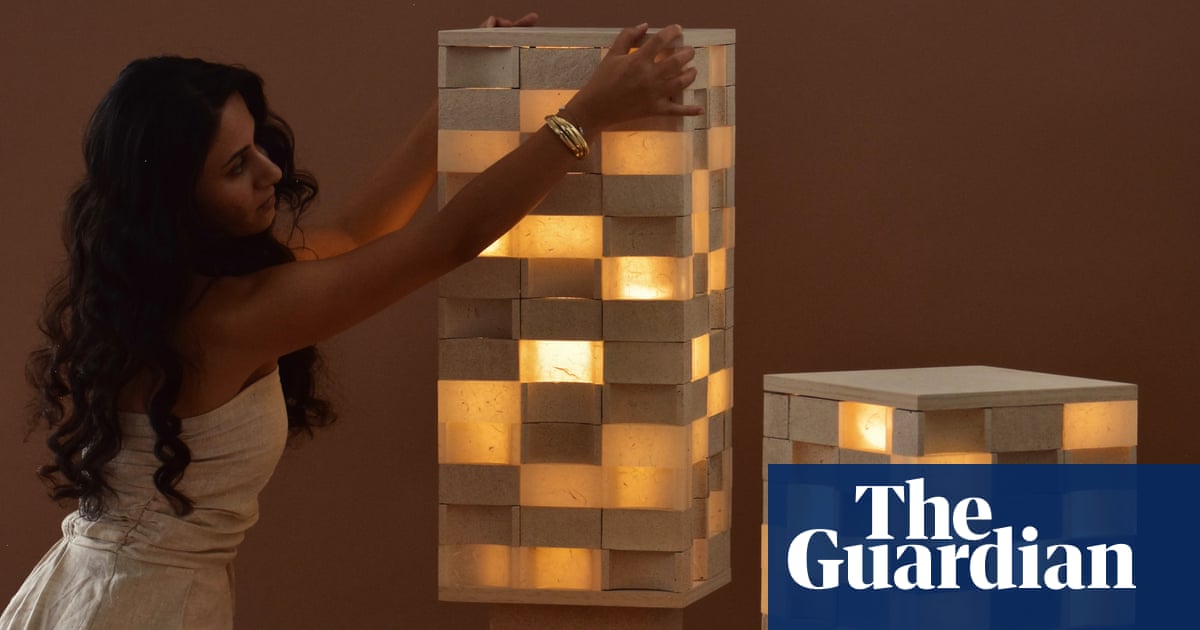
Lamp made out of eggshells cracks prestigious furniture award – The Guardian: A New Era of Sustainable Design
In a stunning intersection of domestic waste and high-end artistry, a lighting fixture crafted from discarded eggshells has recently captured a top honor at a prestigious furniture design competition. The news, which gained significant traction following reports that a lamp made out of eggshells cracks prestigious furniture award – The Guardian, signals a pivotal shift in how the global design community perceives “waste.” What was once destined for a compost bin or a landfill has been reimagined as a luxury object, proving that the future of interior design may lie in the most humble of biological materials.
This victory is not merely a win for a single designer or a specific product. it is a validation of the circular economy. By transforming a fragile, ubiquitous byproduct of the food industry into a durable, aesthetically pleasing piece of furniture, the creator has challenged the industry’s long-standing reliance on plastics, resins, and rare minerals. As the world grapples with a mounting climate crisis and the persistence of microplastics, the success of this eggshell lamp serves as a blueprint for a new generation of “bio-fabricated” home goods.
The Anatomy of an Award-Winning Innovation
The lamp in question is more than a novelty; it is a masterclass in material science. To the untrained eye, the fixture possesses a refined, organic texture that mimics the look of polished stone or high-grade ceramic. However, the core of its composition is calcium carbonate—the primary component of eggshells. The process involves collecting massive quantities of shells, cleaning them, and binding them with a sustainable adhesive to create a composite material that is surprisingly resilient.
The design jury highlighted several key factors that led to the award, emphasizing that the piece succeeded where many “eco-friendly” products fail: it did not sacrifice beauty for sustainability. Often, sustainable furniture is relegated to a “rustic” or “unfinished” aesthetic. This lamp, however, competes on a level of luxury and precision that rivals traditional high-end lighting brands.
Key Pillars of the Design’s Success
- Material Transformation: Converting a low-value waste stream into a high-value design object.
- Aesthetic Sophistication: Utilizing the natural translucency and texture of eggshells to manipulate light.
- Low Carbon Footprint: Reducing the energy required to extract and process virgin raw materials.
- Biodegradability: Ensuring that the product can eventually return to the earth without leaving toxic residues.
The Science Behind the Shell: Why Eggshells?
To understand why a lamp made out of eggshells cracks prestigious furniture award – The Guardian headline is so significant, one must understand the chemistry of the eggshell itself. Eggshells are composed almost entirely of calcium carbonate (CaCO3), a mineral that is naturally strong and possesses excellent insulating properties. In the world of materials science, calcium carbonate is a versatile building block, often used in the production of cement, and plastics.
By utilizing the shells in their organic form, the designer avoids the carbon-heavy industrial processes usually required to synthesize similar materials. The porous nature of the shell allows for a unique interaction with light. When processed into a composite, the material can be calibrated to be either opaque or semi-translucent, allowing the lamp to cast a soft, diffused glow that is challenging to replicate with synthetic plastics.
“The goal was to move beyond ‘recycling’ and toward ‘upcycling.’ Recycling often downgrades the quality of a material, but upcycling elevates it. Using eggshells allows us to create a material that is not just a substitute for plastic, but an improvement upon it in terms of tactile quality and environmental impact.”
The Broader Context: The Rise of Biomaterials in Furniture
The success of the eggshell lamp is part of a larger movement known as bio-design. For decades, the furniture industry has been dominated by a “take-make-waste” model. Wood is harvested, plastics are molded from petroleum, and metals are mined—all processes that leave a heavy ecological footprint. The shift toward biomaterials represents a fundamental reimagining of the supply chain.
We are seeing a surge in the use of unconventional organic materials across the design spectrum:
- Mycelium (Mushroom Root): Used to create biodegradable packaging, acoustic panels, and even “grown” furniture.
- Seaweed and Algae: Being developed as alternatives to flexible plastics and foams.
- Agricultural Waste: Rice husks, pineapple leaves (Piñatex), and coffee grounds are being pressed into durable surfaces for tables and chairs.
The eggshell lamp fits perfectly into this trajectory. It demonstrates that the “waste” from our daily diets can be harvested at scale to replace carbon-intensive materials. This approach aligns with related explainer on circular economy principles, where the end of one product’s life cycle becomes the beginning of another’s.
Comparative Analysis: Eggshell Composites vs. Traditional Materials
To better understand the impact of this innovation, it is helpful to compare the properties of eggshell-based materials against the industry standards they aim to replace.
| Feature | Eggshell Composite | Traditional Plastic (ABS/Polycarbonate) | Ceramic/Stone |
|---|---|---|---|
| Source | Food Waste (Upcycled) | Petroleum-based | Mined Minerals |
| Carbon Footprint | Very Low | High | Medium to High |
| Biodegradability | High (depending on binder) | Non-biodegradable | Inert/Non-biodegradable |
| Production Energy | Low (Cold/Low Heat) | High (Chemical Synthesis) | Very High (Kiln Firing) |
| Tactile Quality | Organic/Matte | Smooth/Synthetic | Cold/Hard |
Overcoming the “Fragility” Misconception
One of the most common reactions to the news that a lamp made out of eggshells cracks prestigious furniture award – The Guardian is a question of durability. The instinctive association with eggshells is fragility—the idea that a slight bump would shatter the entire fixture. However, this is a common misconception regarding composite materials.
When eggshells are crushed and integrated into a bio-polymer or a natural resin, they function as a reinforcing agent. Much like how gravel strengthens concrete, the calcium carbonate particles provide structural rigidity. The resulting material is not a thin shell, but a dense, solid composite. This transformation from a fragile biological container to a robust architectural element is precisely why the design community found the piece so compelling.
The Engineering Challenge
Creating this material is not without its difficulties. The designer had to solve several technical hurdles:
- Contamination: Removing the inner membrane of the egg to prevent organic decay and odors.
- Binding: Finding a non-toxic, eco-friendly glue that wouldn’t compromise the biodegradability of the shells.
- Consistency: Ensuring that the mixture of crushed shells remained uniform to avoid “weak spots” in the lamp’s structure.
Industry Implications: What This Means for the Future of Decor
The recognition of this lamp by a prestigious award body suggests that the market is ready for a departure from synthetic luxury. For too long, “luxury” has been equated with rarity (e.g., exotic woods, precious metals) or perfection (e.g., flawless plastic surfaces). The eggshell lamp introduces a new definition of luxury: ethical innovation.
As consumers become more conscious of their environmental impact, there is a growing demand for “guilt-free” aesthetics. The ability to purchase a piece of high-design furniture that actively removes waste from the environment is a powerful selling point. This could lead to a “domino effect” in the industry, where larger furniture conglomerates begin investing in bio-material research to stay competitive.
Potential Market Shifts
- Localized Production: Since eggshells are available in every city, production can happen locally, reducing shipping emissions.
- Subscription Models: Furniture that can be returned to the manufacturer at the end of its life to be composted or remade.
- Collaborative Sourcing: Partnerships between design houses and food industry giants (e.g., bakery chains or egg producers) to secure raw materials.
Addressing the Scalability Question
While a single award-winning lamp is a triumph of design, the critical question remains: can this be scaled? To move from a gallery piece to a mass-market product, the process must be industrialized without losing its sustainable edge.
The primary challenge is the collection infrastructure. Currently, most eggshells are discarded by consumers at home. To produce thousands of lamps, a centralized collection system would be required, perhaps integrated into commercial kitchens or industrial food processing plants. If the logistics can be solved, the raw material is virtually free, which could potentially lower the cost of sustainable furniture, making it accessible to a wider audience rather than just the wealthy elite.
the industry must standardize the “bio-binders” used. If a designer uses eggshells but binds them with a toxic epoxy resin, the environmental benefit is negated. The push toward 100% bio-based resins is the next frontier for this technology.
The Psychology of Sustainable Consumption
Beyond the material science, the story of the eggshell lamp touches on the psychology of how we value objects. There is a profound cognitive shift that occurs when a user realizes that a stunning object in their home was once a piece of trash. This creates an emotional connection to the item—a narrative of redemption and transformation.
This “storytelling” aspect of design is becoming increasingly significant. Modern consumers are not just buying a product; they are buying a set of values. A lamp made of eggshells tells a story of mindfulness, creativity, and respect for the planet. It transforms the act of decorating a home into an act of environmental activism.
Common Misconceptions Corrected
Misconception: Sustainable furniture is always more expensive.
Reality: While initial R&D is costly, using waste streams (like eggshells) can significantly lower raw material costs in the long run.
Misconception: Bio-materials are not hygienic.
Reality: Through proper cleaning and high-pressure molding, bio-composites are non-porous and easy to clean, making them perfectly suitable for home environments.
Misconception: These materials are only for “concept” pieces.
Reality: With the advancement of 3D printing using bio-filaments, these materials are moving rapidly into functional, everyday applications.
Frequently Asked Questions
How is a lamp actually made from eggshells?
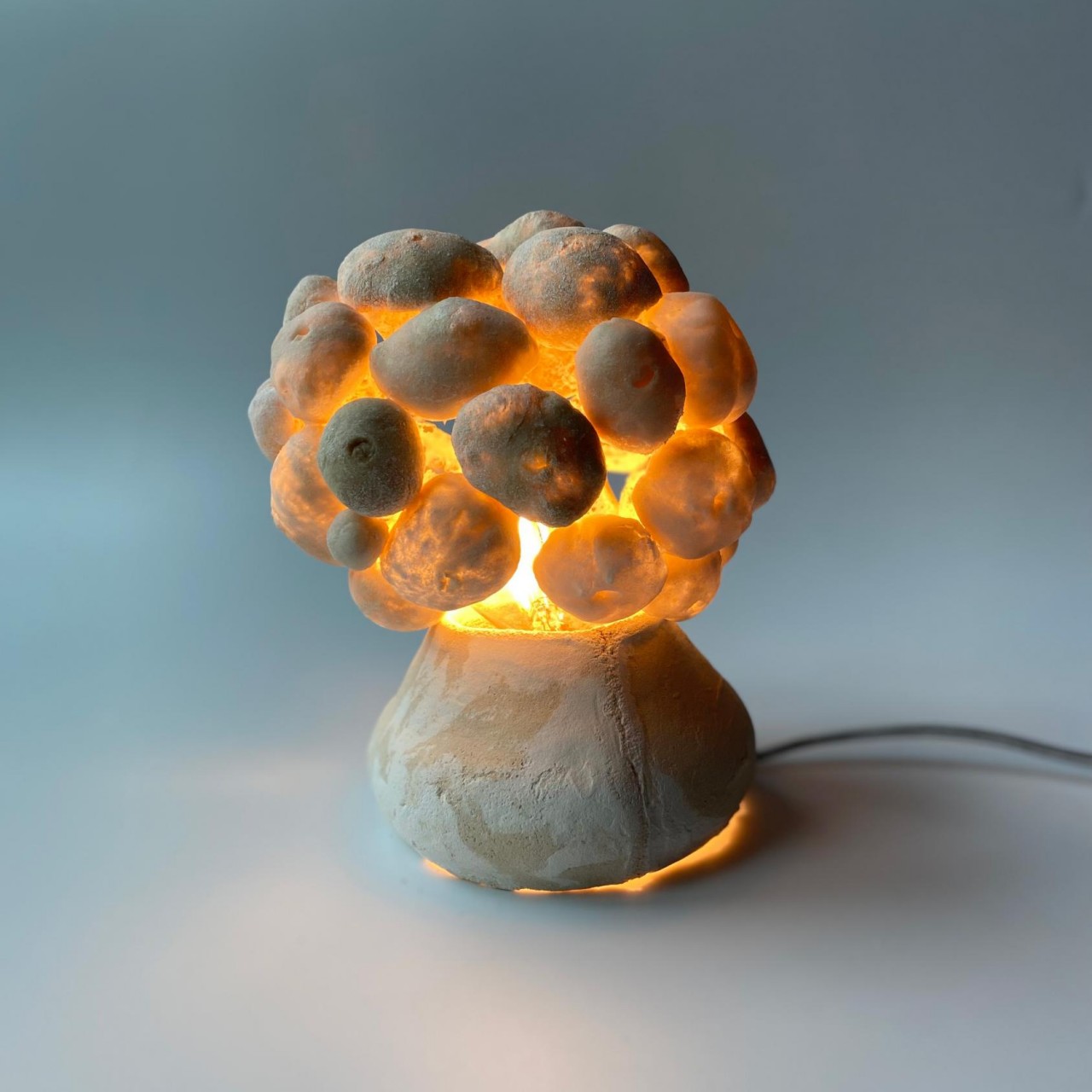
The process involves collecting eggshells, cleaning them thoroughly to remove organic membranes, and crushing them into a fine powder or small granules. These particles are then mixed with a sustainable, bio-based binder (a type of natural glue) and pressed into a mold or 3D printed into the desired shape. Once cured, the material becomes a hard, durable composite.
Is the eggshell lamp fragile?
Despite being made from shells, the final product is a composite material, which is significantly stronger than a single eggshell. The combination of calcium carbonate and a binding agent creates a structural integrity similar to that of certain ceramics or plastics, making it durable enough for daily use in a home setting.
Why is this considered a “prestigious” achievement in furniture design?
It is prestigious because it solves a complex problem: creating a luxury product from a waste stream without compromising on aesthetics. Most sustainable designs are seen as “experimental,” but this piece proved that bio-materials can compete with traditional luxury materials in terms of beauty, function, and desirability.
Can I make a similar lamp at home?
While the basic idea of mixing crushed shells with glue is possible, the award-winning version uses specific industrial binders and molding techniques to ensure the lamp is safe, durable, and aesthetically refined. For a home project, one could experiment with non-toxic glues, but achieving the same professional finish requires specialized equipment.
What happens to the lamp at the end of its life?
Depending on the binder used, many of these bio-composite lamps are designed to be biodegradable or compostable. Unlike plastic lamps that sit in landfills for centuries, an eggshell-based lamp can potentially be broken down and returned to the soil as calcium-rich organic matter.
The recognition of this innovative lighting fixture marks a turning point in the design world. By proving that the most discarded elements of our lives can be transformed into objects of desire, the creator has opened a door to a future where our homes are not just decorated with things, but with solutions. As we look toward a post-plastic world, the lesson of the eggshell lamp is clear: the materials for a sustainable future are already all around us—we just need the vision to see them.
