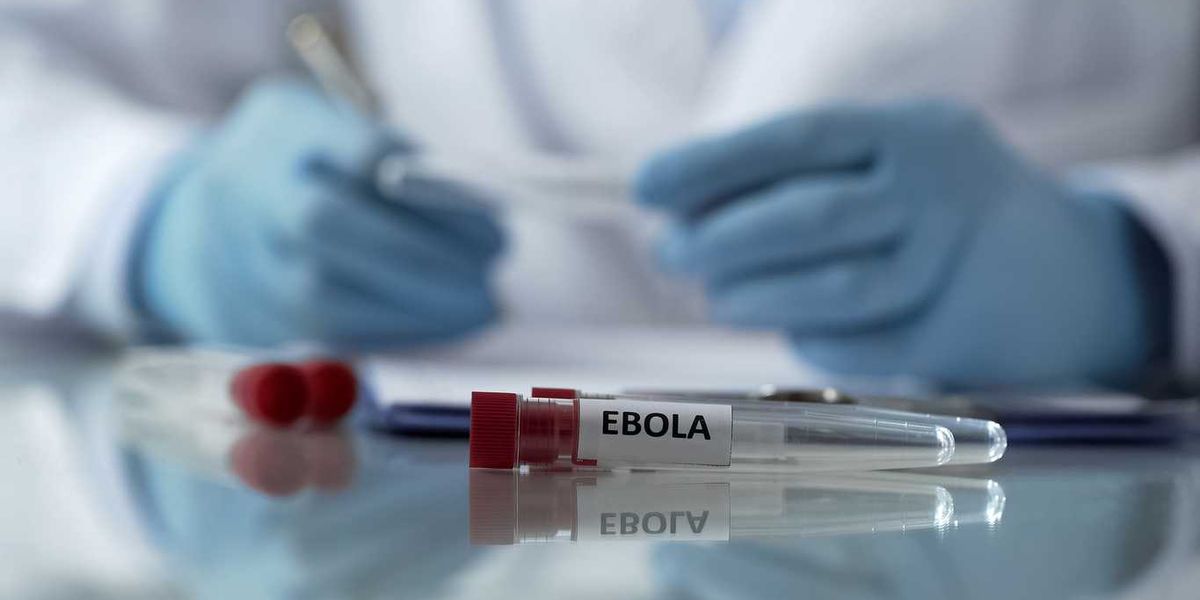
Health officials in Uganda and the Democratic Republic of Congo are responding to an emerging Ebola outbreak caused by the Bundibugyo virus, with concerns that the situation could escalate rapidly. The World Health Organization (WHO) has deployed its director-general to Uganda as part of a broader effort to contain the spread, while experts warn that the current cases may represent only the “tip of the iceberg” in the DRC.
Current Outbreak Details
As of the latest reports, over 530 cases have been confirmed in both the DRC and Uganda, with the Bundibugyo virus strain identified in the outbreak. This variant, less commonly encountered than the Zaire strain, has raised alarms due to its potential for rapid transmission. The WHO has announced a $518 million contingency plan to address the crisis, emphasizing the need for cross-border coordination and resource allocation.
“The situation is evolving, and we are closely monitoring the spread of the virus,” said a WHO spokesperson. “The deployment of our director-general to Uganda underscores the urgency of this response.”
Expert Warnings and Concerns
Italian virologist Fabrizio Pregliasco, a leading voice in infectious disease research, has warned that the DRC’s outbreak could be “only the tip of the iceberg,” citing the region’s history of complex epidemiological challenges. He noted that the virus’s behavior in this outbreak differs from previous ones, with reports of atypical transmission patterns and delayed reporting from local health authorities.
“If left unchecked, this could become one of the largest Ebola epidemics on record,” Pregliasco added. “The international community must act swiftly to prevent a larger humanitarian crisis.”
New Treatment in Clinical Trials
In a separate development, a clinical trial is underway to test a new drug for post-exposure prophylaxis against Ebola. The experimental treatment, still in the early stages, aims to provide a preventive measure for individuals at high risk of exposure, such as healthcare workers and close contacts of infected patients. Researchers emphasize that the trial’s results could significantly alter the approach to managing future outbreaks.
“This is a critical step forward,” said a representative from the research team. “While we are still gathering data, the potential for a proactive treatment option is promising.”
What’s Next
Health authorities are prioritizing vaccination campaigns and community engagement to curb the outbreak. The WHO has called for increased surveillance and rapid response teams to address the spread. Meanwhile, the clinical trial for the post-exposure drug is expected to conclude in the coming months, with results potentially guiding future public health strategies.
As the situation develops, officials stress the importance of transparency and international collaboration. “The lessons learned from this outbreak will shape our preparedness for future health emergencies,” a WHO statement concluded.
