Deadly Philippine Quake Raised Seabed by Up to Two Metres: Death Tolls and Rescue Efforts in Mindanao
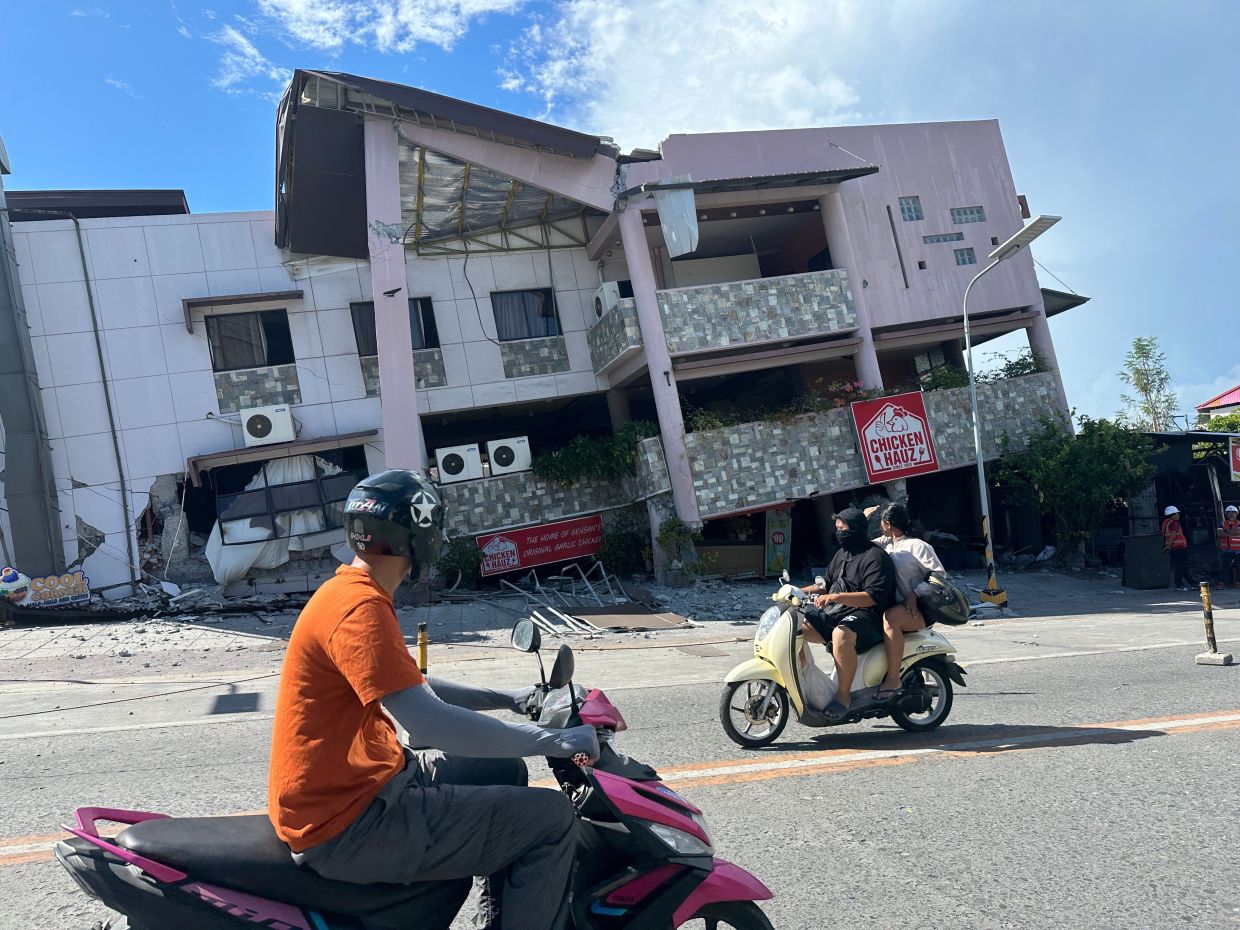
A magnitude 7.8 earthquake in Mindanao, Philippines, shifted the earth’s crust enough to raise the seabed by as much as two metres, according to reports from The Star. Casualty figures remain fluid, with the Australian Broadcasting Corporation reporting at least 35 deaths, while 7NEWS cited a death toll of 19.
How much did the Mindanao earthquake raise the seabed?
The seabed in the affected region of the Philippines rose by up to two metres following the magnitude 7.8 earthquake, according to reporting by The Star. This type of vertical displacement occurs when tectonic plates shift abruptly, pushing sections of the ocean floor upward.
Geological shifts of this magnitude are significant because they alter the coastal geography and can influence the risk of subsequent tsunamis. While the primary focus remains on the immediate devastation on land, the physical alteration of the seabed indicates the massive energy released during the seismic event.
Key geological impacts reported:
- Vertical Displacement: Seabed elevation increased by up to two metres.
- Magnitude: The event registered as a 7.8 on the Richter scale.
- Location: The epicenter and primary damage were centered in Mindanao.
What is the current death toll from the magnitude 7.8 quake?
Official casualty counts vary across international news agencies, reflecting the difficulty of gathering data during active rescue operations. The Australian Broadcasting Corporation (ABC) reports that at least 35 people have died. In contrast, 7NEWS reported the death toll had risen to 19.

This discrepancy in numbers often occurs in the immediate aftermath of a disaster as different agencies receive updates from various local government units or emergency response teams at different times. The higher figure provided by ABC suggests a widening scope of confirmed fatalities as more remote areas in Mindanao are reached by authorities.
| Reporting Source | Reported Death Toll | Status of Data |
|---|---|---|
| Australian Broadcasting Corporation (ABC) | 35+ | Confirmed minimum |
| 7NEWS | 19 | Earlier reported rise |
The disparity between 19 and 35 deaths highlights the volatility of early reporting in seismic zones. Rescue teams are still working to locate victims, meaning these numbers are likely to change as search operations progress.
Where are search and rescue operations currently focused?
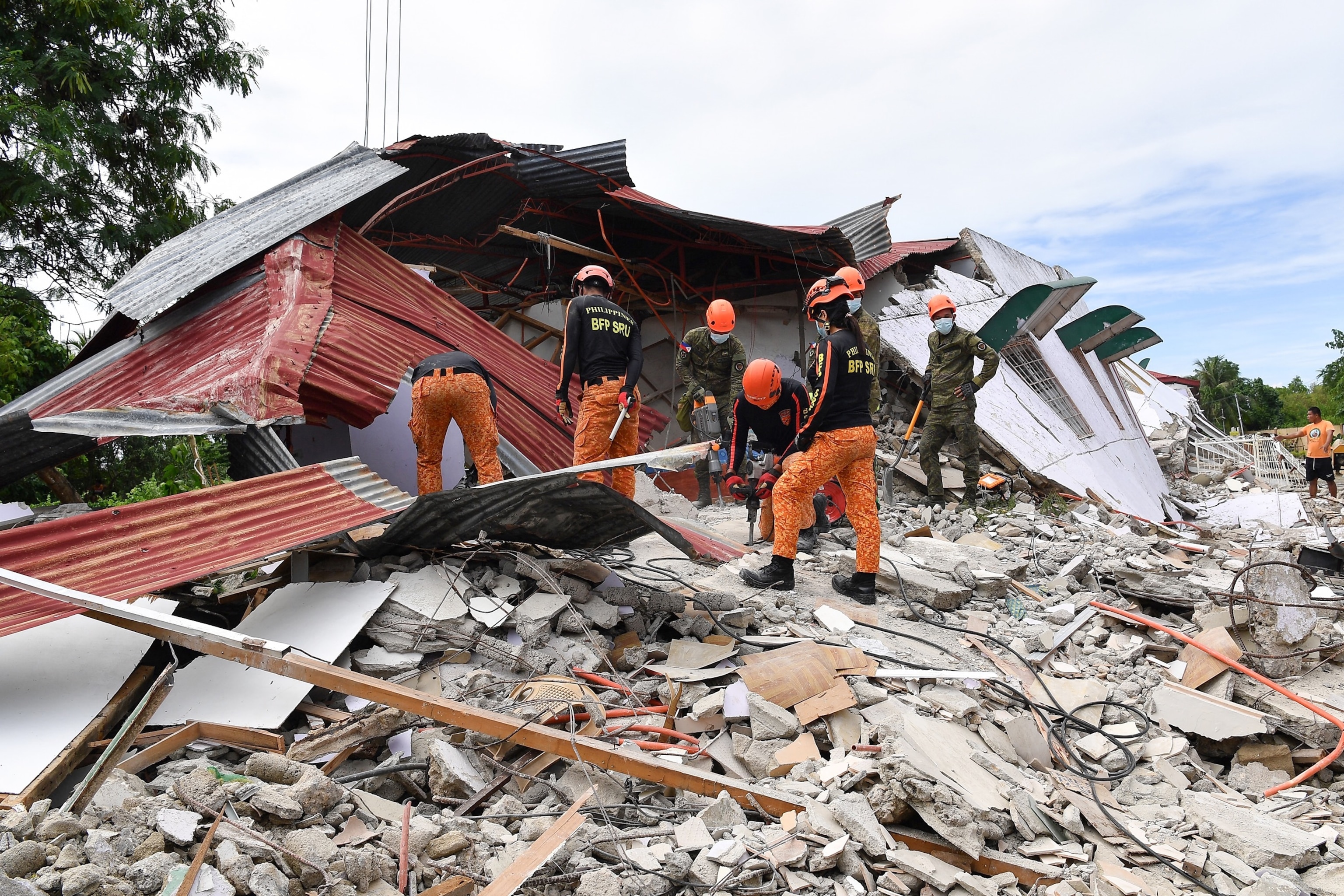
Rescue, retrieval, and search operations are currently concentrated in the hardest-hit areas of Mindanao, according to SBS Australia. The priority for emergency responders is locating survivors trapped under collapsed structures.
The New Daily reports that there is a critical “race to reach” those trapped. Time is a decisive factor in these operations, as the likelihood of survival decreases rapidly for individuals buried under rubble. Responders are facing challenges common to large-scale earthquakes, including damaged roads and disrupted communication lines that hinder the movement of heavy machinery and medical supplies.
Current operations include:
- Urban Search and Rescue (USAR): Clearing debris in populated centers to find survivors.
- Retrieval Missions: Recovering bodies from collapsed buildings to provide closure to families.
- Emergency Aid: Establishing temporary shelters for those displaced by the magnitude 7.8 quake.
Why does seabed uplift occur during powerful earthquakes?
Seabed uplift, such as the two-metre rise reported by The Star, is a result of tectonic activity. When two tectonic plates meet at a subduction zone or a fault line, tension builds over decades. When this tension is suddenly released during a magnitude 7.8 earthquake, the land—and the ocean floor—can be thrust upward or drop downward.
In the case of the Mindanao quake, the vertical movement of the seabed is a clear indicator of the earthquake’s power. When the ocean floor is pushed upward, it displaces the water column above it, which is the primary mechanism that triggers tsunamis. Even if a massive wave does not reach the coast, the permanent change in seabed elevation can affect local marine ecosystems and coastal navigation.
“Search, rescue, and retrieval operations continue in areas affected by the magnitude 7.8 earthquake in Mindanao.” — SBS Australia
The scale of this event puts it in the category of major seismic disasters. For context, earthquakes above magnitude 7.0 are capable of causing widespread, heavy damage to buildings and infrastructure, especially in regions where construction may not meet strict seismic codes.
What are the implications for the affected regions?
The immediate implication is a humanitarian crisis. With death tolls rising and people trapped under rubble, the focus is on life-saving interventions. However, the long-term implications involve both infrastructure and geography.
The reported two-metre rise in the seabed may lead to changes in coastal tides and the exposure of previously submerged land. This can disrupt local fishing industries and alter the way coastal communities interact with the sea. Furthermore, the magnitude 7.8 shock likely damaged critical infrastructure—bridges, power grids, and water systems—that will require significant investment to repair.
Stakeholders involved in the recovery include:
- Philippine Government: Coordinating national disaster response and funding.
- Local Government Units (LGUs): Managing on-the-ground evacuation and aid distribution.
- International Aid Agencies: Providing medical support and search-and-rescue expertise.
- Geological Experts: Monitoring for aftershocks and analyzing the seabed shift to predict future risks.
A related explainer on seismic activity in the Pacific Ring of Fire may provide more context on why the Philippines is uniquely susceptible to these events.
Frequently Asked Questions
What was the magnitude of the Philippine earthquake?
The earthquake that struck Mindanao was recorded as a magnitude 7.8, according to multiple reports including SBS Australia and ABC.
How much did the seabed rise?
According to The Star, the seabed was raised by up to two metres as a result of the seismic activity.
How many people died in the Mindanao earthquake?
Reports vary; the Australian Broadcasting Corporation (ABC) stated at least 35 people died, while 7NEWS reported the toll had risen to 19.
Is the search for survivors still ongoing?
Yes. SBS Australia and The New Daily both confirm that search, rescue, and retrieval operations are continuing in the affected areas of Mindanao.
Why is the seabed rising a concern?
Vertical displacement of the seabed indicates a powerful tectonic shift and is the primary cause of tsunamis, as it displaces massive volumes of seawater.
