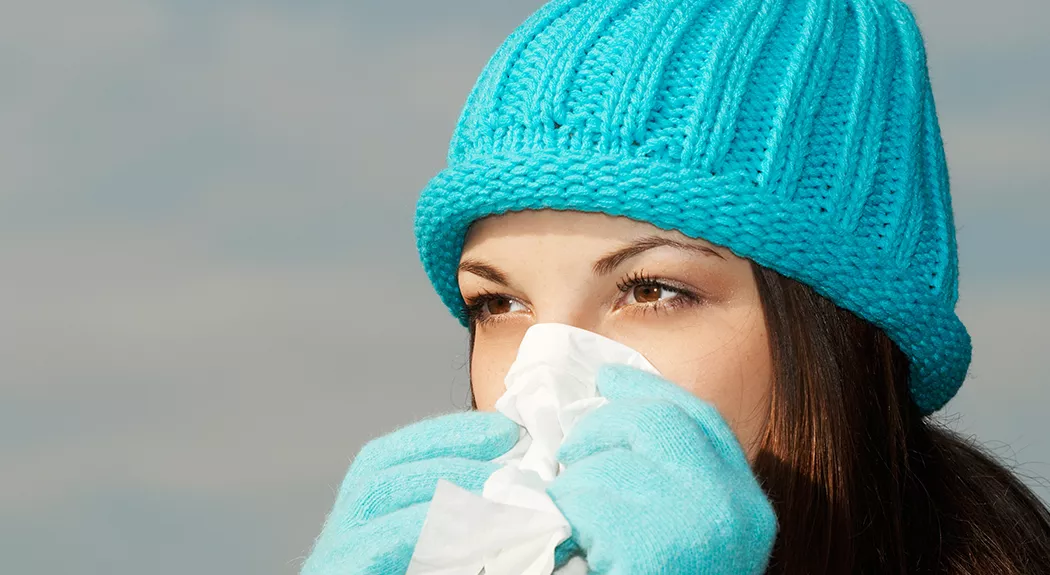
Germany’s current public health landscape shows a mix of seasonal respiratory illnesses and ongoing coronavirus concerns, according to recent data from federal health authorities. The Robert Koch Institute reported a 15% increase in influenza-like illness cases compared to the previous week, with coronavirus positivity rates remaining stable at 2.3% as of mid-October 2023.
What the Data Shows
Health officials noted a sharp rise in outpatient visits for upper respiratory tract infections, particularly among children under 10 and adults over 65. The RKI’s surveillance system recorded 42,000 confirmed influenza cases in the week ending October 14, up from 36,000 the prior week. Meanwhile, coronavirus testing data from the German Society for Virology indicated a slight decline in new infections, with 12,500 cases reported during the same period.

Dr. Lena Hoffmann, a virologist at the University of Heidelberg, explained that the seasonal surge in colds and flu is typical but could strain healthcare resources. “We’re seeing a dual burden of respiratory viruses,” she said. “This highlights the importance of vaccination campaigns for both influenza and COVID-19.”
Public Health Response
The Federal Ministry of Health launched a campaign urging unvaccinated individuals to receive both flu and COVID-19 shots. As of October 15, 68% of the population had received a primary influenza vaccination, while 72% had completed a COVID-19 vaccination series. Officials emphasized that booster doses remain critical as immunity wanes over time.
Regional health departments have reported localized outbreaks in several states, with Bavaria and North Rhine-Westphalia experiencing the highest rates of respiratory illness. The RKI has advised schools and daycare centers to implement stricter hygiene protocols, including enhanced ventilation and regular symptom screening.
Limitations and Uncertainties
Experts caution that the data reflects reported cases rather than the full scope of infections. The RKI acknowledged that asymptomatic cases and limited testing in some regions may underrepresent the true burden of illness. Additionally, the long-term effects of co-infections with multiple respiratory viruses remain poorly understood.

“We need more research on how these viruses interact,” said Dr. Markus Weber, a public health epidemiologist. “While current measures are effective, we must stay vigilant as the situation evolves.”
What Comes Next
Health authorities plan to release updated guidelines for workplace safety measures in November, following a review of current transmission trends. The European Centre for Disease Prevention and Control will also conduct a joint analysis with German officials to assess cross-border transmission risks.
Public health officials continue to monitor hospitalization rates and vaccine effectiveness against emerging variants. As of now, no new restrictions on public gatherings have been announced, but officials warn that conditions could change if case numbers rise sharply.
