Casemiro, Ancelotti’s Lieutenant and Symbol of Brazil Troubles: A Deep Dive
Midfielder Casemiro, a pivotal figure in both club and international football, has become a focal point of scrutiny as Brazil navigates challenges on the pitch. The 31-year-old, known for his role as a key lieutenant to Real Madrid manager Carlo Ancelotti, faces mounting pressure as the Brazilian national team grapples with inconsistent performances. Recent developments, including a 1-1 draw against Morocco in a high-stakes encounter, have intensified discussions about his influence and the broader struggles of the Seleção.
What Happened: A Tense Encounter and Key Player Roles
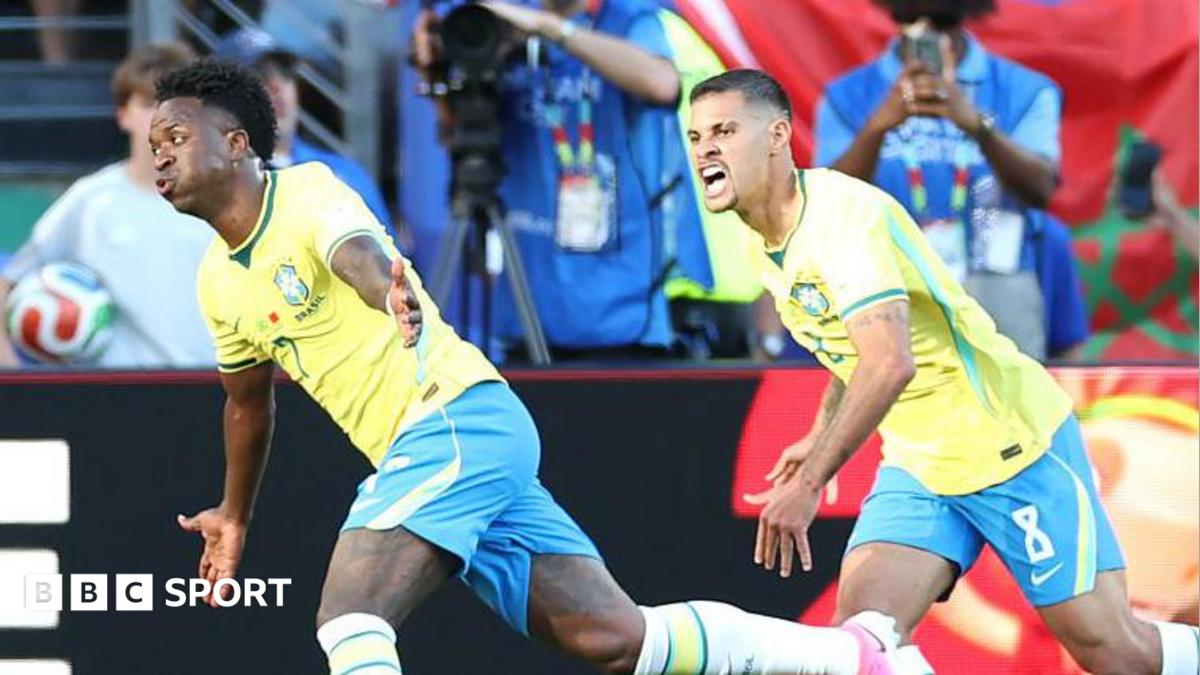
The recent clash between Brazil and Morocco, held in a packed stadium, underscored the complexities of modern football. Despite a late goal from Vinicius Jr. that salvaged a draw, the match highlighted Brazil’s vulnerability. Casemiro, often the anchor of the midfield, was tasked with stabilizing the team but faced criticism for his lack of impact in critical moments.
According to reports, Brazil’s defensive organization faltered early in the game, allowing Morocco to take the lead. Casemiro’s failure to intercept key passes and his limited contribution in transition drew attention. Meanwhile, Vinicius Jr. emerged as a potential savior, showcasing the kind of flair that has sparked debates about the future of Brazilian football.
The Role of Ancelotti and Tactical Shifts
Carlo Ancelotti, the Real Madrid manager and Casemiro’s long-time mentor, has been instrumental in shaping the player’s career. Ancelotti’s emphasis on balance and discipline has defined Casemiro’s role as a defensive midfielder. However, the transition to the national team has proven more challenging. Brazil’s tactical approach under coach Tite has often prioritized attacking flair over structure, creating tension between Casemiro’s style and the team’s needs.
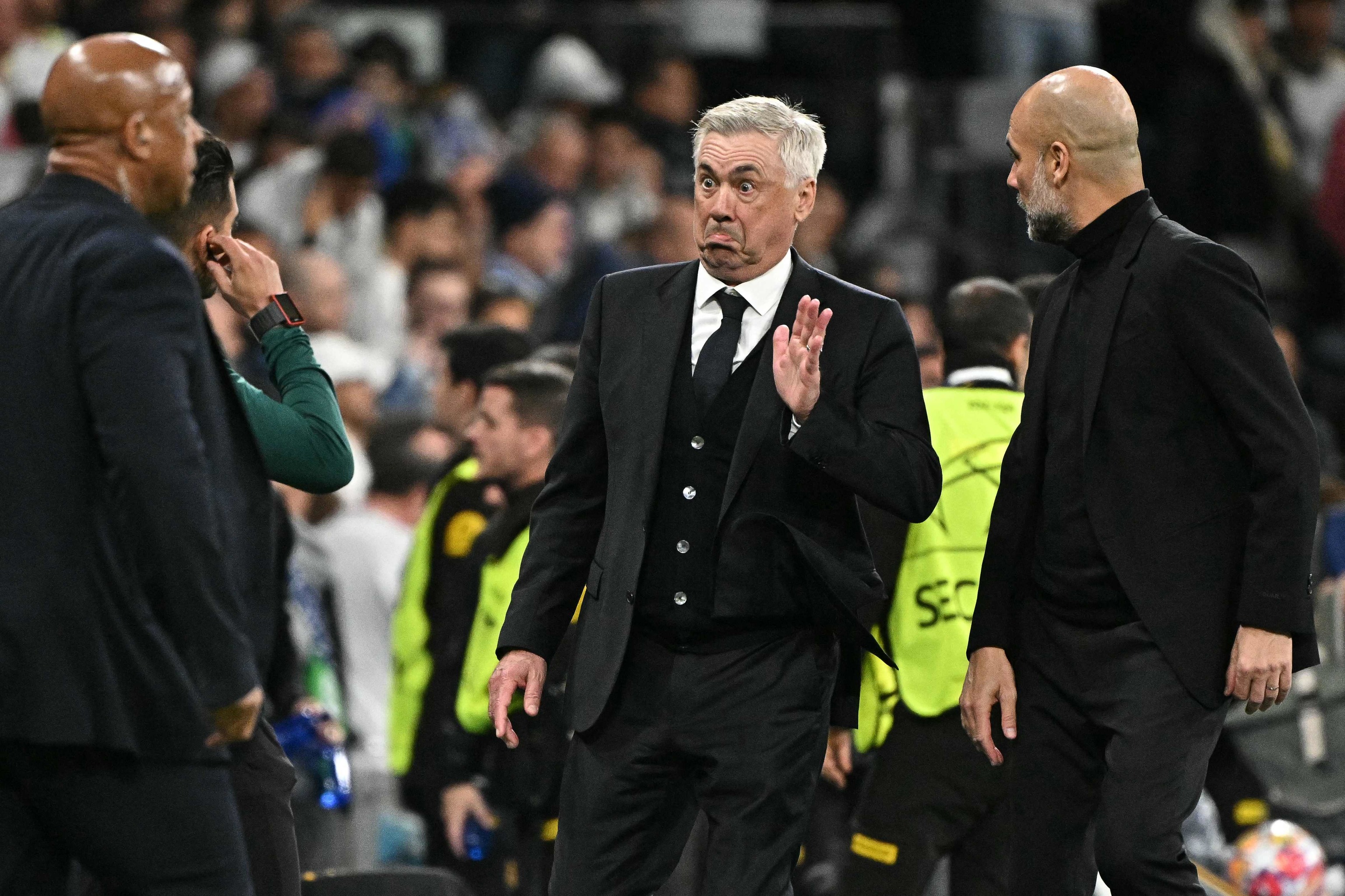
Analysts note that Ancelotti’s influence on Casemiro’s development has made the player a reliable presence at the club level, but Brazil’s reliance on individual brilliance over collective organization has left gaps. This disconnect has led to questions about whether Casemiro’s attributes align with the team’s current strategy.
Who Is Involved: Key Figures and Their Stakes
Casemiro’s situation involves multiple stakeholders, including his club, national team, and the broader footballing community. At Real Madrid, he remains a crucial figure, with Ancelotti frequently citing his leadership and work ethic. However, his international role has become more contentious.
Brazil’s head coach, Tite, faces pressure to balance tradition with innovation. The 2026 World Cup qualification campaign is a critical juncture, and decisions about Casemiro’s role will likely shape the team’s trajectory. Meanwhile, younger players like Vinicius Jr. and Rodrygo are being positioned as the future, raising questions about Casemiro’s long-term place in the squad.
Reactions from Coaches and Analysts
Following the Morocco match, Tite acknowledged the need for greater cohesion. “We must find a way to integrate experience with youth,” he stated in a press conference. Ancelotti, speaking about Casemiro, emphasized his importance: “He’s a player who brings stability. The challenge is adapting his qualities to different systems.”
Football analysts have offered mixed perspectives. Some argue that Casemiro’s presence is essential for defensive solidity, while others believe Brazil must evolve. “The team needs to embrace a more dynamic style,” said one commentator. “Casemiro’s role must shift to complement, not dominate.”
When and Where It Happened: Context of the Match and Broader Implications
The match against Morocco took place in New York, a venue chosen to maximize exposure and fan engagement. The game’s significance extended beyond the result; it served as a microcosm of Brazil’s broader struggles. The team’s inability to maintain control in the first half and reliance on last-minute heroics highlighted persistent issues.
This context is part of a longer narrative. Brazil’s performance in recent tournaments, including the 2022 World Cup, has been inconsistent. The Seleção’s reliance on star players like Neymar has often led to overdependence, leaving gaps when those players are absent or underperforming. Casemiro’s role in bridging this gap remains a central topic of discussion.
Historical Precedents and Tactical Evolution
Historically, Brazil has thrived on attacking creativity, with legends like Zico and Ronaldinho redefining the game through flair. However, modern football increasingly demands tactical flexibility. Teams like Argentina and France have demonstrated the value of structured play, a lesson Brazil may need to heed.
Casemiro’s career trajectory reflects this shift. His early years at Manchester United and Real Madrid were marked by a focus on defensive duties, but he has gradually adapted to more versatile roles. This evolution mirrors
