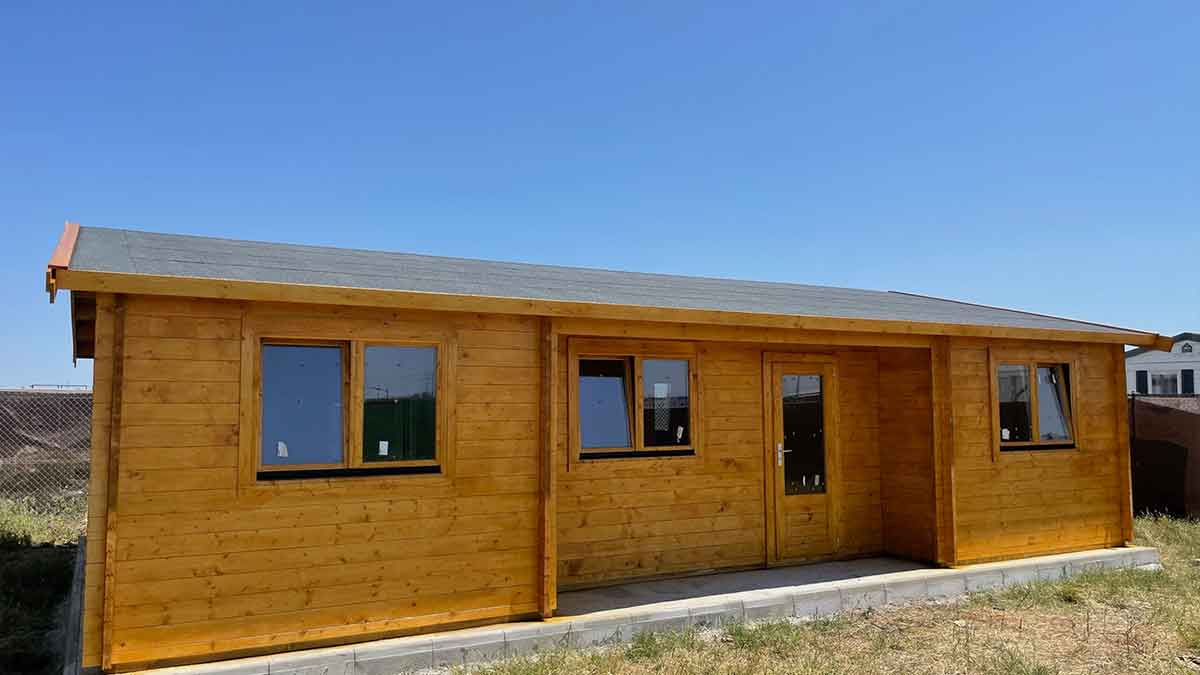
Prefabricated steel homes manufactured in China are entering the global market with prices ranging from 8,000 to 15,000 euros. According to reports from El Cronista and El Independiente, these ready-to-inhabit structures offer between three and six rooms and are being marketed as low-cost alternatives to traditional rental housing.
- Price Range: 8,000 to 15,000 euros.
- Configurations: Options range from three-bedroom units to six-room layouts.
- Materials: Primary construction utilizes prefabricated steel.
- Availability: Distributed via direct sales and platforms like Amazon.
How do the costs and sizes of these prefabricated homes compare?
Pricing and capacity vary significantly across different models and providers. According to El Cronista, five-room prefabricated steel houses are available for less than 15,000 euros. In contrast, other reports indicate lower price points for similar or larger capacities. El Independiente reports the availability of six-room prefabricated homes priced at 8,000 euros.
Mid-range options also exist on e-commerce platforms. Decoesfera identifies a three-bedroom model that includes a kitchen and bathroom for under 10,000 euros. These figures suggest a wide variance in pricing based on the specific manufacturer and the distribution channel used.
What are the technical features of the Amazon-listed models?
A portion of these homes utilize expandable technology to maximize space. According to heraldo.es, an expandable prefabricated model is available on Amazon for less than 8,000 euros. This design allows the structure to be transported in a compact form and expanded upon arrival at the site.
The interior layouts are designed for immediate occupancy. The models listed by Decoesfera and El Independiente emphasize “ready-to-live” specifications, including pre-installed rooms and basic utility areas like kitchens and bathrooms. The use of steel as the primary structural component allows for these units to be mass-produced and shipped as single units or kits.
Why is this technology being marketed as a rental alternative?
The promotion of these homes focuses on the financial burden of traditional housing. El Cronista frames these steel houses as a way to move away from rental agreements and rental laws. By offering a permanent structure for a cost lower than many new vehicles, the manufacturers are positioning prefabricated steel as a viable path to homeownership for low-income buyers.
The shift toward expandable and prefabricated steel reflects a broader trend in modular construction, where the goal is to reduce labor costs and construction timelines. By moving the assembly process to a factory in China, the cost of materials and labor is minimized before the product reaches the end user.
