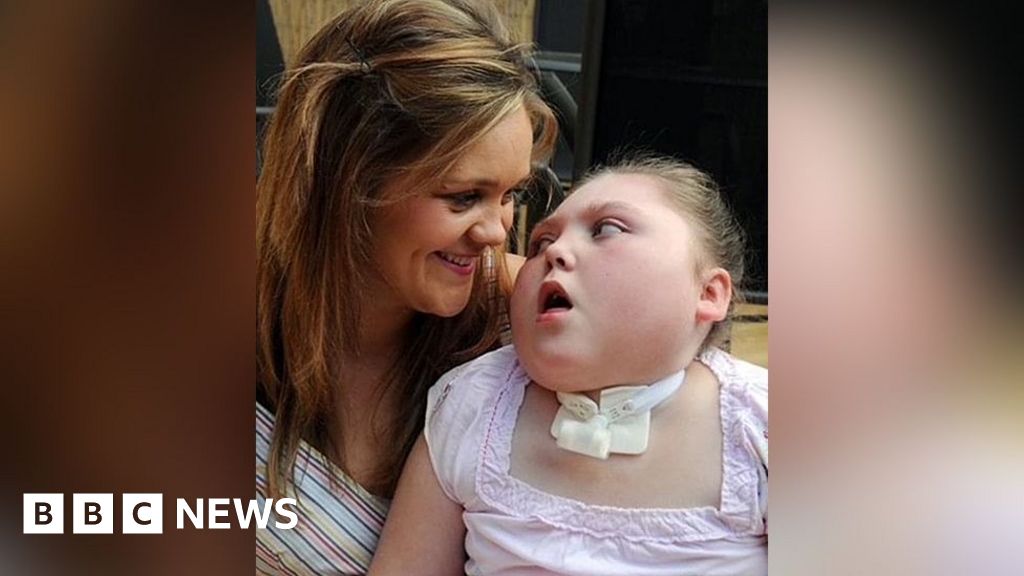
Closing the Care Gap: Why the Push for a New City Children’s Hospice is a Critical Necessity
The heartbreaking plea of a mother who has navigated the depths of grief is bringing a critical healthcare deficiency into the spotlight. The call to get behind city kids’ hospice plan, bereaved mum urges – BBC, serves as a catalyst for a much broader conversation regarding the availability of pediatric palliative care in urban centers. For many families facing the unthinkable—a terminal diagnosis for a child—the lack of specialized, local hospice facilities transforms an already devastating experience into a logistical and emotional nightmare. This movement is not merely about building a facility; it is about securing the fundamental right to a dignified end-of-life process and comprehensive support for the families left behind.
In many major cities, there is a staggering disconnect between the population density and the availability of specialized children’s hospice services. While general hospitals provide acute care, they are often ill-equipped to handle the holistic, long-term psychological and spiritual needs of a dying child and their grieving parents. The current push for a dedicated city hospice plan aims to bridge this gap, ensuring that no parent has to travel hours away from their support network during their child’s final days.
The Urgent Need for Pediatric Palliative Care
To understand why the drive to get behind city kids’ hospice plan, bereaved mum urges – BBC, is so vital, one must first understand what pediatric palliative care actually entails. There is a common misconception that hospices are simply “places to go to die.” In reality, a children’s hospice is a center for living. It provides a sanctuary where the focus shifts from curing a disease to maximizing the quality of life for the child and their family.
Pediatric palliative care is a multidisciplinary approach. It involves not only doctors and nurses but also play therapists, counselors, social workers and bereavement specialists. For a child with a life-limiting condition, the goal is to manage pain and symptoms effectively while allowing them to be a child—to play, to laugh, and to spend meaningful time with their siblings and parents.
The Limitations of Acute Hospital Settings
Standard pediatric wards in general hospitals are designed for recovery and treatment. While the medical staff are highly skilled, the environment is often sterile, loud, and focused on clinical interventions. For a family in the palliative stage, the hospital environment can feel oppressive. A dedicated hospice provides:
- Home-like Environments: Rooms that can be decorated by the family, allowing the child to feel safe and comfortable.
- Sibling Support: Specialized areas where brothers and sisters can interact with their ill sibling without the restrictions of a clinical ward.
- Respite Care: Giving parents a necessary break to recover physically and mentally, knowing their child is in expert hands.
- Integrated Bereavement Care: Support that begins long before the death occurs and continues for years afterward.
When these services are missing from a city, families are often forced to choose between suboptimal care in a general hospital or relocating to a distant facility, which severs their connection to their community, friends, and extended family at the moment they need them most.
Analyzing the “City Kids’ Hospice Plan”
The proposed plan for a new city-based hospice is designed to be a comprehensive ecosystem of care. Rather than a single building, modern hospice plans often incorporate a “hub and spoke” model. This ensures that care is not just available in one location but is integrated into the community.
| Component of Plan | Primary Purpose | Impact on Families |
|---|---|---|
| In-patient Unit | 24/7 clinical care for symptom management and end-of-life. | Reduces parental burnout and ensures professional pain management. |
| Out-patient Day Center | Therapies, social interaction, and short-term respite. | Allows children to maintain a social life and access specialized therapy. |
| Community Outreach | Home-visit nurses and psychological support in the family home. | Allows children to remain in their own beds for as long as possible. |
| Bereavement Hub | Long-term counseling for parents and siblings. | Prevents complicated grief and supports long-term mental health. |
By integrating these elements, the plan addresses the reality that palliative care is a journey, not a destination. The advocacy led by bereaved parents emphasizes that the “plan” is not just about bricks and mortar, but about the staffing and funding required to make these services sustainable and accessible to all, regardless of socioeconomic status.
The Systemic Failures Leading to Care Deserts
The existence of “care deserts”—areas where essential services are unavailable—is rarely the result of a single failure. Instead, it is a confluence of economic, political, and social factors. In many urban areas, healthcare funding is heavily weighted toward acute care (emergency rooms and surgeries) because these are seen as “measurable” outcomes. Palliative care, which focuses on quality of life and emotional well-being, is harder to quantify in a spreadsheet, often leading to chronic underfunding.
The Funding Paradox
Many children’s hospices rely heavily on charitable donations. While this demonstrates incredible community spirit, it creates a precarious financial model. When a city lacks a centrally funded or well-supported hospice plan, the burden falls on families to fundraise during the most traumatic period of their lives. This creates an inequity where families with more social capital or wealthier networks can access better support, while marginalized families are left behind.
Urban Planning and Accessibility
In large cities, transportation can be a significant barrier. A hospice located on the outskirts of a city may as well be in another country for a family relying on public transport or dealing with a child who requires complex medical equipment for travel. The push for a centrally located “city kids’ hospice” is a direct response to the need for accessibility.
“The trauma of losing a child is compounded when you are fighting the system just to find a place where your child can be comfortable. We shouldn’t have to beg for the basic dignity of a local hospice.”
The Ripple Effect: Impact on the Wider Family and Society
When a city fails to provide adequate pediatric palliative care, the consequences extend far beyond the immediate patient. The psychological impact on the family unit can be catastrophic, leading to long-term mental health crises that place further strain on the city’s general healthcare services.
The Forgotten Sibling
Siblings of terminally ill children often experience “glass child syndrome,” where they become invisible because the parents’ attention is entirely consumed by the ill child. A dedicated hospice plan includes specific programs for siblings, providing them with a space to express their fear, anger, and grief. Without this, these children are at a higher risk of developing anxiety and depression in adolescence.

Parental Mental Health and Economic Stability
The stress of managing a terminally ill child without local support often leads to one or both parents leaving the workforce. This economic instability, coupled with the trauma of bereavement, creates a cycle of poverty and mental illness. By providing respite care and local support, a hospice plan allows parents to maintain some semblance of stability, which ultimately benefits the children remaining in the home.
For those interested in how this fits into broader healthcare trends, you might find a related explainer on community-integrated healthcare useful for understanding the shift toward decentralized medical services.
Common Misconceptions Regarding Children’s Hospices
To build public and political support, it is essential to dismantle the myths that often surround hospice care. Many people avoid supporting these plans because they associate them solely with death.
- Myth: Hospices are only for the final days of life.
Reality: Most children enter hospice care months or years before their passing. The goal is to support the child through their entire illness, providing pain management and joy. - Myth: Hospices take children away from their parents.
Reality: Hospices are designed to support the family unit. They provide a space for parents to be parents, rather than just caregivers or medical monitors. - Myth: Palliative care means “giving up.”
Reality: Palliative care is an active choice to prioritize the child’s comfort and happiness. It is a proactive medical strategy, not a passive surrender.
The Path Forward: How to Support the Movement
The call to get behind city kids’ hospice plan, bereaved mum urges – BBC, is a call to action for the entire community. Moving from a state of “awareness” to “action” requires a multi-pronged approach involving the public, private sector, and government.
Advocacy and Political Pressure
Healthcare priorities are set by those in power. Consistent pressure on local council members and health boards is necessary to move pediatric palliative care from a “nice-to-have” to a “must-have” in urban development plans. This includes lobbying for earmarked government funding rather than relying solely on charity.
Corporate Partnerships
City-based businesses have a vested interest in the well-being of their employees and the community. Corporate sponsorship of hospice wings or the funding of specific therapy programs (such as music or art therapy) can provide the financial stability needed to launch these plans.
Community Integration
Support is not always financial. Creating a “hospice-friendly” city involves educating the public, reducing the stigma around terminal illness in children, and building a network of volunteers who can provide non-medical support to families.
You may also want to explore a guide to supporting grieving families to understand how to provide meaningful help to those in your own community.
Frequently Asked Questions
What is the main goal of the city kids’ hospice plan?
The primary goal is to provide comprehensive, local, and accessible palliative care for children with life-limiting conditions. This includes pain management, psychological support for the whole family, and a dignified environment for end-of-life care, reducing the need for families to travel long distances.
How does a children’s hospice differ from a standard hospital?
While hospitals focus on acute treatment and cure, hospices focus on quality of life and comfort. Hospices provide a more home-like environment, offer extensive bereavement support, and include holistic therapies (like play and art therapy) that are rarely available in a standard clinical ward.
Why is there a shortage of these facilities in major cities?
Shortages are often due to a combination of high land costs in urban areas, a historical funding bias toward acute curative medicine over palliative care, and a reliance on charitable donations rather than integrated government healthcare budgets.
Can children receive hospice care at home?
Yes. Most modern hospice plans include a “community” or “outreach” component where specialized nurses and therapists visit the child at home. The physical hospice building serves as a hub for respite, intensive symptom management, and social interaction.
How can the general public help these initiatives?
Public support can take many forms: donating to the fundraising campaigns, volunteering their time, signing petitions to pressure local government for funding, and helping to spread awareness to remove the stigma associated with pediatric palliative care.
The movement to establish a dedicated hospice for city children is more than a healthcare project; it is a test of a city’s compassion. When a mother urges the public to get behind this plan, she is speaking from a place of profound loss, but also from a place of hope—hope that other families will not have to endure the isolation and struggle that she did. The measure of a society is often found in how it cares for its most vulnerable members, and there are few more vulnerable than a child at the end of their life and the parents who love them.
