Electric is the New Normal as Growing Secondhand EV Market Helps Australian Car Buyers Shift Gear
A surge in available used electric vehicles is lowering the financial barrier for Australian drivers, though a significant infrastructure gap remains a primary deterrent. According to data from STT Info, 88% of Australians identify charging shortages as the main factor preventing them from switching to an EV, creating a tension between increasing vehicle affordability and stagnant utility.
How the Secondhand Market is Changing EV Adoption
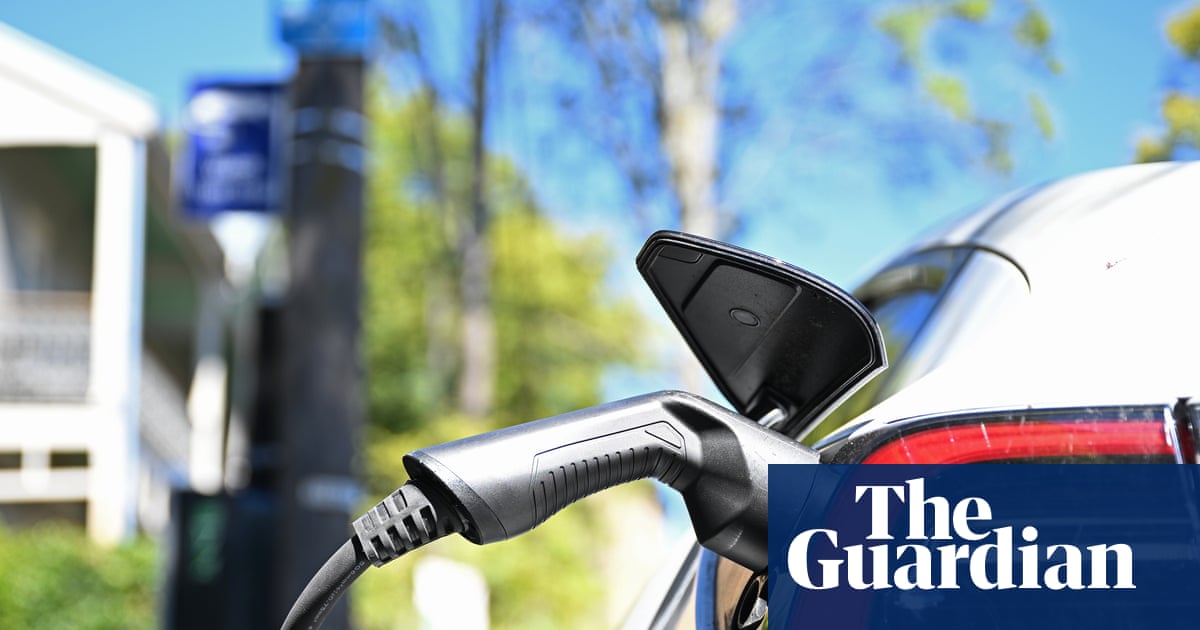
The entry point for electric vehicle ownership in Australia is shifting. While new EVs often carry a premium price tag that excludes middle-to-low-income households, a growing secondhand market is beginning to democratize access to the technology. The Guardian reports that this shift is making “electric the new normal” as a wider demographic of buyers can now access used models that have already undergone their steepest period of depreciation.
This trend mirrors the historical trajectory of internal combustion engine (ICE) vehicles, where the used market provided the volume necessary for mass adoption. For many Australian buyers, the ability to purchase a three-to-five-year-old EV reduces the financial risk associated with rapid technological obsolescence. When the initial owner absorbs the heaviest price drop, the second owner gains a modern, low-emission vehicle at a price point comparable to a traditional petrol car.
The growth of this market is driven by several factors:
- Early Adopter Churn: First-wave EV buyers are upgrading to newer models with better range and faster charging, flooding the used market with viable options.
- Price Parity: Used EVs are reaching a price floor that competes directly with used hybrid or petrol vehicles.
- Reduced Battery Anxiety: As older EVs prove their longevity, buyers are becoming more comfortable with the health of pre-owned batteries.
Why Charging Gaps are Creating an “EV Wall”
Despite the affordability gains in the used market, a systemic failure in infrastructure is stalling the boom. STT Info reports that 88% of Australians believe charging gaps are holding them back from making the switch. This suggests that while the vehicle is becoming accessible, the ecosystem required to support it is not.
The Australian Broadcasting Corporation (ABC) has highlighted that new data on the public charger network reveals significant inconsistencies. The “charging gap” is not merely a lack of plugs, but a lack of strategic placement and reliability. Drivers in metropolitan areas may find adequate support, but those in regional centers or those relying on apartment living without private garages face a “charging desert.”
This infrastructure deficit creates a psychological barrier. According to drive.com.au, some potential buyers describe themselves as “scared” to own an electric car, citing the fear of being stranded without a functional charger. This anxiety is particularly acute for those considering secondhand EVs, which may have slightly lower range than the latest models, making the reliability of the public network even more critical.
| Market Driver | Market Barrier | Source of Data |
|---|---|---|
| Growing used EV availability | 88% cite charging gaps as a deterrent | The Guardian / STT Info |
| Lower entry price points | Unreliable public charger network | Manning River Times / ABC |
| Reduced running costs | Fear of battery failure/range anxiety | Manning River Times / drive.com.au |
The Financial Reality: How Aussie Families Budget for the Shift
Transitioning to an EV requires a fundamental shift in household accounting. The Manning River Times notes that families are increasingly weighing the higher upfront cost of an EV—even a used one—against the long-term savings on fuel and maintenance.
Budgeting for an EV typically involves three primary financial considerations:
1. Upfront Capital vs. Monthly Savings
While a petrol car may be cheaper to buy initially, the ongoing cost of fuel is a volatile monthly expense. Families are now calculating the “break-even point,” where the savings from charging at home (which is significantly cheaper than petrol) offset the higher monthly loan repayments for an EV.
2. Home Installation Costs
A hidden cost in the EV shift is the installation of a Level 2 home charger. For many, this requires an electrical upgrade to the home’s switchboard. Families must budget for this initial infrastructure spend to avoid total reliance on the public network described by the ABC as inconsistent.
3. Depreciation and Resale Value
The secondhand market mentioned by The Guardian is a double-edged sword. While it helps buyers, it worries sellers. Families are now more cautious about the resale value of their vehicles as battery technology evolves rapidly, potentially making older models obsolete faster than traditional cars.
Addressing the Psychology of “EV Fear”
The transition to electric is as much a psychological challenge as a technical one. Reporting from drive.com.au indicates a persistent fear surrounding EV ownership. This fear generally manifests in three specific areas:
- Battery Degradation: The concern that a battery will “die” like a smartphone battery, requiring a replacement cost that exceeds the value of the car.
- Range Anxiety: The fear that the vehicle will run out of power before reaching a charger, especially on long-distance regional trips.
- Complexity of Charging: The frustration of dealing with multiple apps, payment systems, and broken chargers across different networks.
These fears are reinforced by the data from STT Info. When nearly 90% of a population identifies a specific failure—charging gaps—it creates a social narrative that EVs are “not yet ready” for the Australian landscape. This creates a paradox: the used market is making the cars affordable, but the infrastructure is making them feel impractical.
Comparing the Narratives: Affordability vs. Utility
There is a clear contrast in how different reports frame the current state of the Australian EV market. The Guardian focuses on the economic accessibility, framing the used market as a catalyst that makes electric the “new normal.” This is an optimistic view centered on the democratization of technology.
Conversely, STT Info and the ABC frame the situation as a utility crisis. Their data suggests that the “EV boom” has hit a wall. In this narrative, the price of the car is secondary to the functionality of the grid. If a driver cannot reliably charge their vehicle, the price of the car becomes irrelevant.
This tension suggests that Australia is in a “transition valley.” The industry has solved the problem of getting cars into the country and bringing prices down through a secondhand market, but it has not yet solved the problem of supporting those cars once they are on the road. For a family budgeting their shift, as discussed by the Manning River Times, the decision to buy is no longer just about the monthly payment, but about whether their local infrastructure can support their lifestyle.
For more information on the technical side of this transition, see our related explainer on EV battery lifespans.
The Regional Divide in Infrastructure
The ABC’s investigation into the public charger network underscores a growing divide between urban and regional Australia. In major cities, the density of chargers is increasing, but regional corridors remain sparse. This creates a “geographic lottery” for EV owners.
For a used EV buyer in a city, the “new normal” is a reality. They can charge at home or work and rarely need the public network. However, for a regional buyer, the 88% dissatisfaction rate reported by STT Info is an acute reality. The lack of high-speed DC chargers on major highways means that “range anxiety” is not a psychological quirk, but a logical response to a lack of infrastructure.
The implication is that the secondhand market may grow faster in cities than in the bush, potentially creating a two-tier transport system where regional Australians are locked into internal combustion engines longer than their urban counterparts.
Key Points on the Current State of Australian EVs:
- Used Market: Lowering barriers and expanding the buyer pool.
- Infrastructure: 88% of people see charging gaps as the primary obstacle.
- Budgeting: Shift from fuel spending to upfront infrastructure and vehicle costs.
- Sentiment: High anxiety regarding reliability and regional accessibility.
Common Misconceptions About the EV Shift
As the market grows, several myths persist that can skew a buyer’s decision-making process. Based on the reported trends, here are the most common corrections:

Myth: EVs are only for the wealthy.
Correction: The Guardian’s reporting on the secondhand market proves that EVs are becoming accessible to a broader range of income brackets as used prices drop.
Myth: Home charging is optional.
Correction: While public networks exist, the ABC’s data on network inconsistency suggests that home charging is currently a necessity for a stress-free ownership experience.
Myth: Battery replacement is a common occurrence.
Correction: While drive.com.au notes the fear of battery failure, actual data on EV longevity suggests batteries often outlast the chassis of the car, though this remains a primary point of anxiety for used buyers.
For further reading on government incentives, check our guide to Australian EV subsidies.
Frequently Asked Questions
Is the secondhand EV market a viable option for Australian families?
Yes. According to The Guardian, the growing used market is making EVs more affordable by reducing the initial depreciation hit, allowing more families to “shift gear” without the cost of a brand-new model.
What is the biggest obstacle to EV adoption in Australia?
Infrastructure. STT Info reports that 88% of Australians believe gaps in the charging network are the primary factor holding them back from purchasing an electric vehicle.
How do the costs of owning a used EV compare to a petrol car?
While the upfront cost may be higher, the Manning River Times suggests that families save significantly on fuel and maintenance. The primary additional costs are the initial purchase price and the potential installation of a home charging station.
Why are some people still “scared” to buy an EV?
As reported by drive.com.au, fears center on range anxiety, the reliability of the public charging network (as highlighted by the ABC), and concerns over long-term battery health.
Are public chargers in Australia reliable?
The ABC reports that new data reveals significant gaps and inconsistencies in the public charger network, suggesting that reliability varies greatly depending on the location and the provider.
The trajectory of the Australian automotive market now depends on whether infrastructure can catch up to affordability. While the used market has successfully lowered the price of entry, the “charging wall” remains a formidable barrier. Until the 88% of concerned citizens see a visible, reliable expansion of the network, the transition to “the new normal” will likely remain concentrated in urban pockets.
