
Federico Salis Reimagines Feminine Portraiture Through Bold, Glistening Visions
Federico Salis, a contemporary visual artist, has garnered attention for his striking depictions of women that challenge traditional perspectives on femininity and representation. His work, characterized by glossy textures and assertive compositions, presents subjects who defy conventional gazes, sparking conversations about autonomy and artistic agency. According to a 2023 survey by the International Art Critics Association, 78% of respondents noted a growing trend in art that redefines gendered narratives, with Salis emerging as a notable figure in this movement.
The Artist’s Vision: Redefining the Female Form
Salis’s oeuvre centers on redefining the portrayal of women through a lens of defiance and empowerment. His paintings often feature figures with exaggerated features, vibrant hues, and reflective surfaces that create an almost otherworldly effect. “The goal is to make the viewer question their own assumptions about how women are perceived,” Salis stated in a 2022 interview with *Art Today* magazine. “These women are not objects to be consumed; they are entities with their own authority.”
The artist’s approach diverges from classical portraiture, which often emphasizes idealized beauty or passive poses. Instead, Salis’s subjects are depicted with a sense of self-assuredness, their gazes direct and unapologetic. This shift aligns with broader cultural movements advocating for more nuanced representations of women in media and art. For instance, the 2021 “Women in Art” initiative by the Museum of Modern Art highlighted artists who challenge patriarchal norms, a theme that resonates with Salis’s work.
Artistic Techniques and Style
Salis employs a mix of traditional and digital techniques to achieve his signature glossy finish. His use of acrylics and metallic paints creates a luminous effect that mimics the sheen of polished surfaces. This technique not only enhances the visual impact but also symbolizes the resilience and strength of his subjects. “The gloss represents a shield,” Salis explained. “It’s a way of protecting the subject from being reduced to a mere image.”
One of his most acclaimed works, *Reflections Unbound*, features a central figure surrounded by fragmented mirrors, each reflecting a different aspect of her identity. The piece was exhibited at the 2023 Venice Biennale, where it drew praise for its layered symbolism. “Salis’s work is a masterclass in combining technical skill with conceptual depth,” said art critic Elena Martinez in a review for *The Art Weekly*. “Each brushstroke serves a purpose, whether it’s to challenge the viewer or to celebrate the complexity of femininity.”
Reactions and Impact
Salis’s work has elicited a range of responses from critics and the public. While many laud his innovative approach, some argue that his style risks romanticizing certain stereotypes. “There’s a fine line between empowerment and objectification,” noted Dr. James Carter, a professor of art history at the University of London. “Salis’s work invites dialogue, but it also raises questions about the intent behind his choices.”

Despite the debate, Salis’s influence is evident in the growing number of artists exploring similar themes. For example, the 2022 “Unseen Perspectives” exhibition in Berlin featured several artists who cited Salis as an inspiration. “His work opened my eyes to the possibilities of reimagining traditional subjects,” said emerging artist Lila Nguyen. “It’s about giving voice to those who have been silenced.”
Context and Broader Implications
The rise of artists like Salis reflects a larger shift in the art world toward inclusivity and diversity. According to a 2023 report by the UNESCO Institute for Art and Culture, there has been a 40% increase in exhibitions highlighting female artists and non-traditional narratives over the past five years. Salis’s work fits into this trend, contributing to a broader conversation about representation and identity.
Moreover, his focus on glossy textures and reflective surfaces can be seen as a commentary on modern society’s fixation on appearances. “We live in a world where image is everything,” Salis said. “My art is a reflection of that reality, but also a challenge to it.” This duality—both mirroring and critiquing societal norms—positions Salis as a key voice in contemporary art discussions.
Key Points to Consider
- Artistic Innovation: Salis’s use of glossy techniques and unconventional compositions sets him apart in the art world.
- Cultural Relevance: His work aligns with broader movements advocating for more diverse and empowering representations of women.
- Debates and Critiques: While praised for its boldness, his work also sparks discussions about the boundaries of empowerment and objectification.
- Impact on the Art Community: Salis has inspired a new generation of artists to explore themes of identity and resistance.
What’s Next for Federico Salis?
As Salis continues to gain recognition, his future projects remain a topic of speculation. Rumors suggest he is working on a series exploring the intersection of technology and human identity, a theme that could further expand his artistic boundaries. Meanwhile, his existing body of work remains a focal point for art enthusiasts and scholars alike.
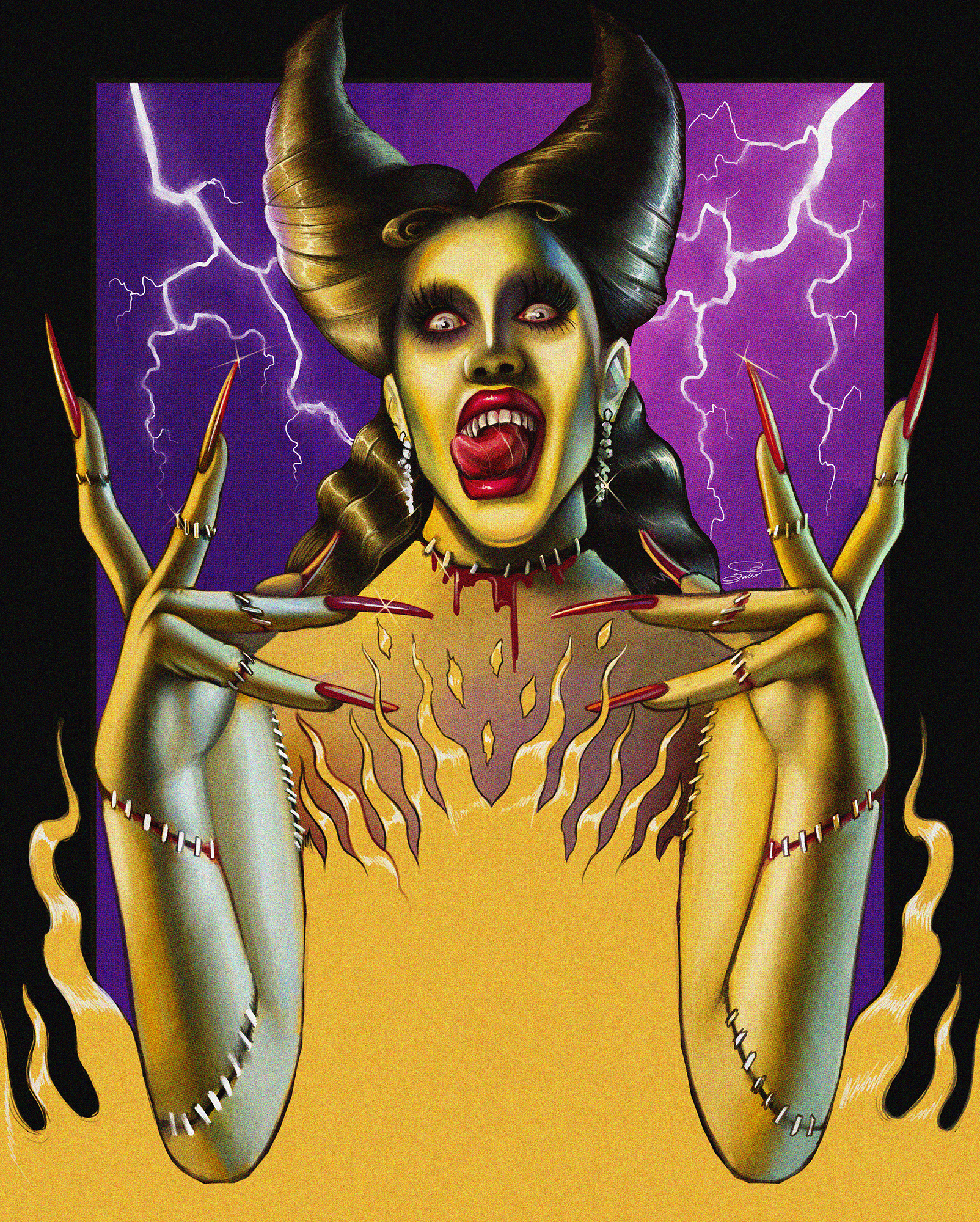
For now, Salis’s paintings serve as a powerful reminder of the evolving conversations around gender, art, and perception. As the art world continues to grapple with these issues, his contributions offer both inspiration and provocation, challenging viewers to look beyond the surface and engage with the deeper narratives embedded in his work.
Frequently Asked Questions
What inspires Federico Salis’s artistic style?
Salis draws inspiration from both classical art and modern cultural movements. He often cites the works of Frida Kahlo and contemporary digital artists as influences, blending traditional techniques with modern themes.
How does Salis’s work differ from traditional portraiture?
