
Distinguishing between irritable bowel syndrome and inflammatory bowel disease requires careful analysis, as symptoms often overlap—but the diagnostic tests differ sharply, according to gastroenterology guidelines.
Both conditions cause abdominal pain, diarrhea, and discomfort, yet one is a chronic inflammatory disorder while the other is a functional gastrointestinal issue. A misdiagnosis can lead to delayed treatment or unnecessary procedures, experts warn.
Why the tests matter: Key differences in diagnosis
Inflammatory bowel disease—including Crohn’s disease and ulcerative colitis—requires blood tests, stool samples, and often imaging or endoscopy to confirm inflammation in the digestive tract. Irritable bowel syndrome, however, is diagnosed primarily through symptom tracking and ruling out other conditions, according to clinical practice recommendations.
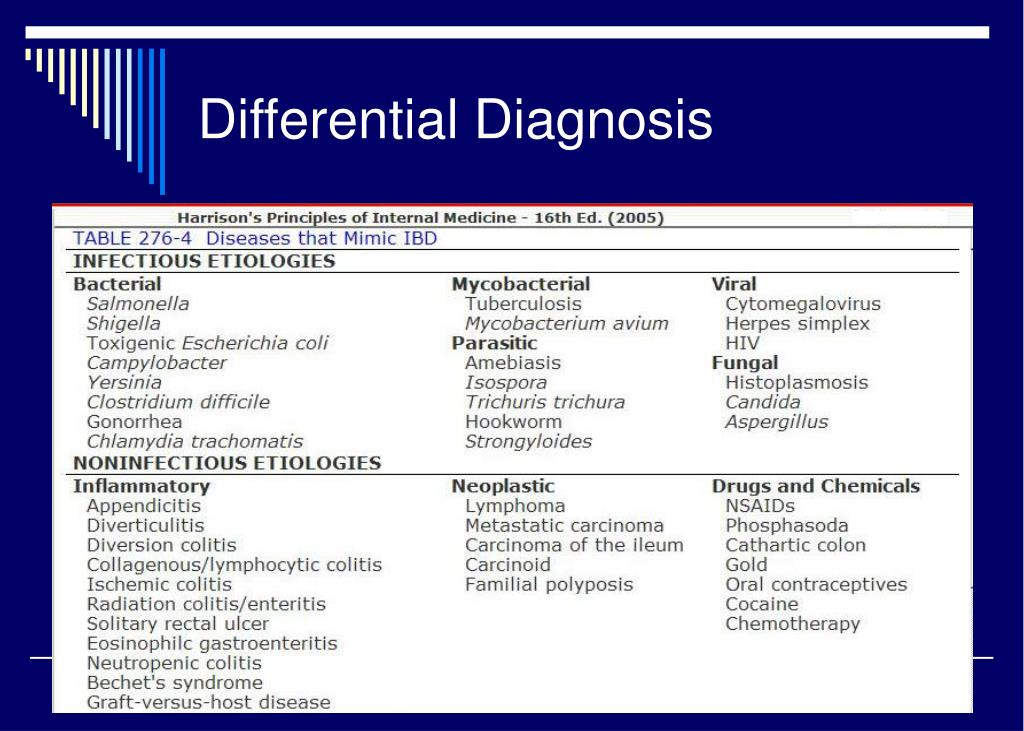
“Patients with IBS may undergo years of unnecessary testing if doctors don’t recognize the pattern of symptoms without structural damage,” said a gastroenterologist reviewing diagnostic protocols. “But IBD patients need early, precise testing to prevent complications.”
What the blood and stool tests reveal
For suspected inflammatory bowel disease, clinicians typically order:
- Blood tests for markers like C-reactive protein (CRP) or erythrocyte sedimentation rate (ESR), which indicate inflammation.
- Stool tests to check for blood, infection, or calprotectin—a protein linked to intestinal inflammation.
- Imaging or endoscopy to visualize the gut lining, often the definitive step for IBD.
Irritable bowel syndrome, by contrast, relies on symptom diaries and exclusion of other disorders. “No single test confirms IBS,” noted the guidelines. “It’s about ruling out everything else first.”
When symptoms blur the lines
Overlap occurs in about 20% of cases, where patients present with both functional symptoms and mild inflammation. In such scenarios, clinicians may use a stepwise approach:
- First, rule out celiac disease or infections with blood and stool tests.
- Next, assess for IBD with imaging or endoscopy if symptoms persist or worsen.
- Finally, diagnose IBS only after other conditions are excluded.
“This isn’t just about labels—it’s about treatment,” emphasized a digestive health specialist. “IBD requires immunosuppressants or biologics, while IBS management focuses on diet, stress reduction, and fiber adjustments.”
What’s next: Guidelines for primary care
Recent updates to diagnostic algorithms emphasize shared decision-making between patients and doctors, particularly for ambiguous cases. Experts recommend:
- Educating primary care providers on when to refer for specialist testing.
- Using validated questionnaires (like the Rome IV criteria) to standardize IBS diagnosis.
- Encouraging early IBD screening in high-risk groups, such as those with a family history.
“The goal isn’t to over-test everyone, but to ensure no one falls through the cracks,” the guidelines state.
