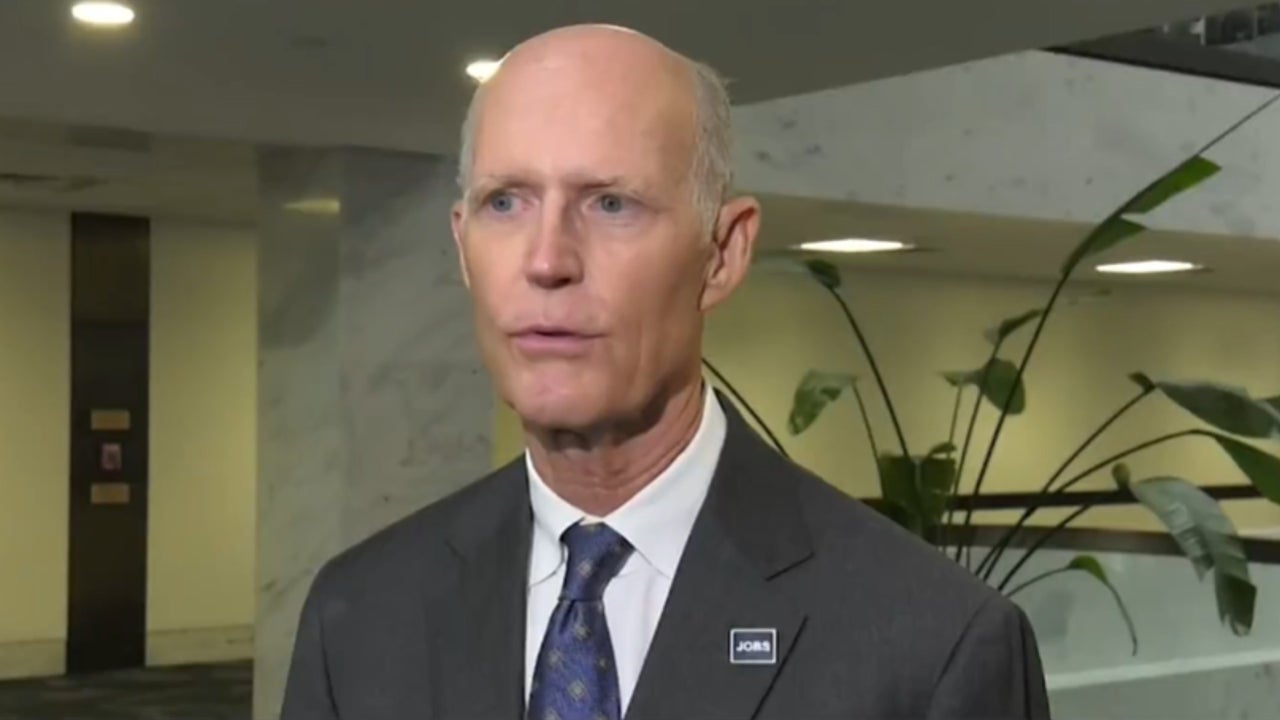
A U.S. senator has publicly laid out a timeline for Venezuela’s next presidential election, a move that could reshape regional diplomacy as the country remains locked in political stalemate.
U.S. Senator Rick Scott, a Republican from Florida, announced in a public statement that Venezuela’s election would be held on July 28, 2024, according to local media reports. The declaration comes amid deepening tensions between Caracas and Washington, where U.S. sanctions and diplomatic pressure have intensified over the past year.
Why This Matters
The timing of the election—if implemented—could influence Venezuela’s fragile political transition, particularly as international observers and opposition groups have long demanded credible elections as a prerequisite for lifting sanctions. Scott’s announcement, however, does not carry the weight of an official U.S. government position, raising questions about its impact on the region’s stability.
Scott, who has been a vocal critic of Venezuelan President Nicolás Maduro, framed the election date as a step toward restoring democracy in the country. His remarks follow months of U.S. policy shifts aimed at isolating Maduro’s regime, including the revocation of visas for senior officials and expanded economic restrictions.
Key Context: Venezuela’s Political Crisis
Venezuela’s political landscape has been dominated by Maduro’s government since 2013, following the death of his predecessor, Hugo Chávez. Opposition leaders, including Edmundo González Urrutia, have sought international recognition as the legitimate president, arguing that Maduro’s 2018 re-election was fraudulent. The U.S. and several Latin American nations have refused to acknowledge Maduro’s government, instead supporting González as the interim leader.
Fast Facts
- Election Date: July 28, 2024 (as announced by Scott, though not yet confirmed by Venezuelan authorities).
- U.S. Stance: Washington has imposed sanctions on Maduro’s government since 2017, targeting oil exports and financial institutions.
- Opposition Leader: Edmundo González Urrutia, recognized by the U.S. and several Latin American countries as Venezuela’s legitimate president.
- Historical Precedent: The last contested presidential election in Venezuela was in 2018, widely condemned by international observers as unfair.
International Reactions and Next Steps
Scott’s announcement has sparked limited immediate reaction from Venezuelan officials, who have not yet confirmed whether they will adhere to the proposed date. Maduro’s government has repeatedly accused the U.S. of interfering in its internal affairs, while opposition groups have welcomed any move that could pave the way for a free and fair vote.
Analysts suggest that if the election proceeds as scheduled, it could mark a turning point in Venezuela’s political crisis. However, the lack of a clear mechanism for international oversight—long demanded by the opposition—remains a major hurdle. The U.S. has signaled that sanctions relief would be contingent on verifiable democratic reforms, including the release of political prisoners and a credible electoral process.
For now, the focus remains on whether Maduro’s government will engage with Scott’s proposal or continue to dismiss it as foreign interference. The coming months will be critical in determining whether Venezuela’s political deadlock can be broken—or if the stalemate persists.
