
Prime Minister Justin Trudeau Announces Manitoba Chief Justice Glenn Joyal as Supreme Court of Canada Nominee
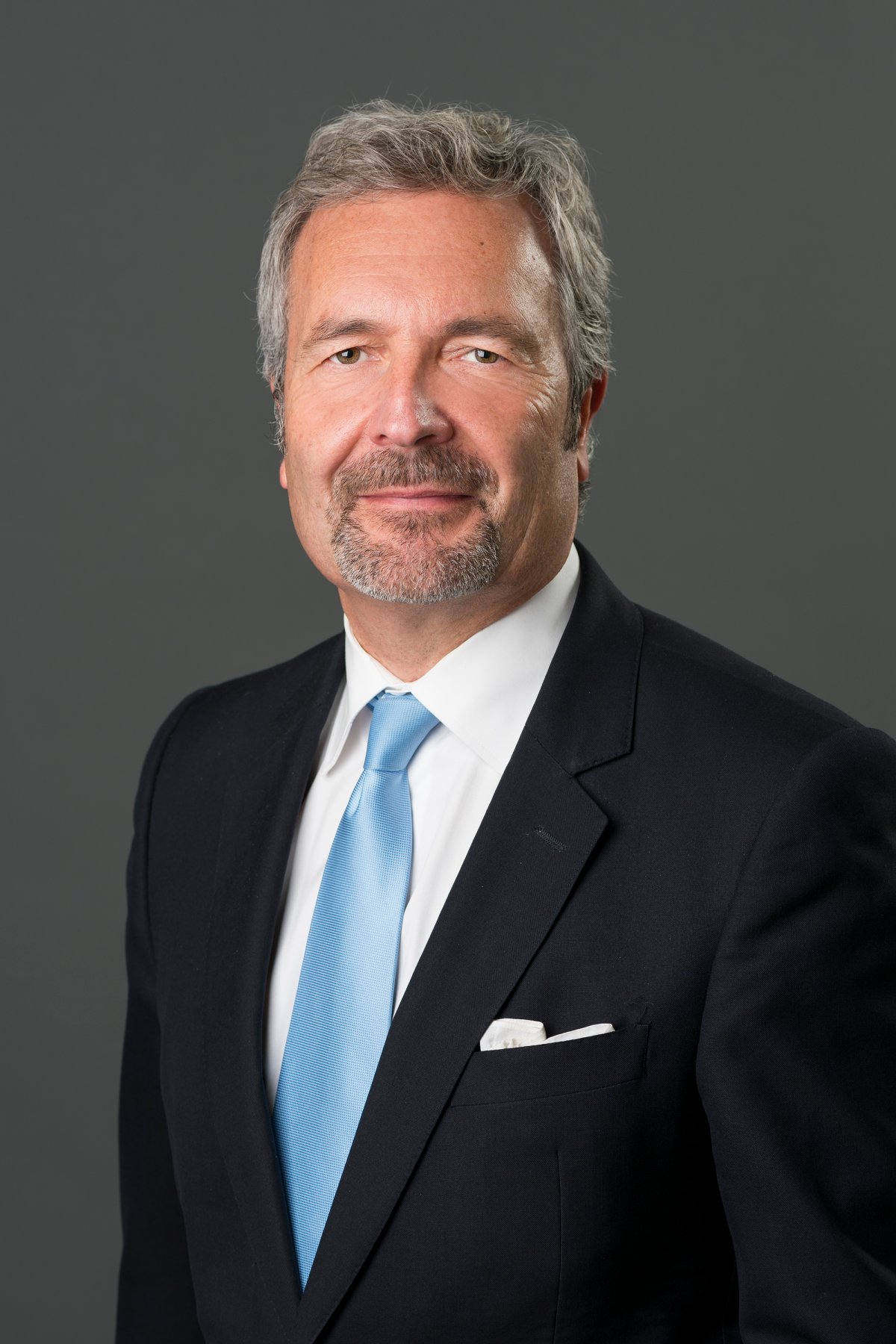
Ottawa, ON — Prime Minister Justin Trudeau has formally nominated Manitoba Court of King’s Bench Chief Justice Glenn Joyal to serve as a justice on the Supreme Court of Canada, marking a significant shift in the court’s regional representation and judicial diversity. The announcement, made today, follows a months-long process that included consultations with provincial and territorial leaders, Indigenous groups, and legal experts. Joyal, a seasoned jurist with a career spanning nearly three decades, would become the first francophone justice from Manitoba on the Supreme Court and the first Indigenous justice from the province.
According to official sources, the nomination was submitted to Governor General Mary Simon for formal appointment, a step required under the Supreme Court Act. If confirmed, Joyal would join a court currently grappling with landmark cases on Indigenous rights, climate policy, and criminal justice reform—areas where his judicial experience could play a pivotal role.
The selection underscores ongoing efforts to diversify Canada’s highest court, which has faced criticism in recent years for its lack of representation from Western Canada and Indigenous communities. Joyal’s appointment, if approved, would address both gaps, given his deep roots in Manitoba and his Métis heritage.
This article provides a detailed breakdown of the nomination, Joyal’s judicial career, the implications for the Supreme Court, and what happens next in the appointment process.
—
What is the significance of Glenn Joyal’s nomination to the Supreme Court?
The nomination of Glenn Joyal to the Supreme Court of Canada is notable for several reasons, each with broader implications for the court’s composition and the legal landscape:
- Regional representation: Joyal would be the first justice from Manitoba on the Supreme Court since 1990, when Gerald Le Dain was appointed. Western Canada has long argued for greater representation on the court, which currently has no justices from Alberta, Saskatchewan, or British Columbia.
- Indigenous representation: Joyal is of Métis descent, making him the first Indigenous justice from Manitoba and only the second Indigenous justice on the court after the late Justice Murray Sinclair, who retired in 2021.
- Legal expertise: Joyal has spent nearly 30 years on the bench, including as a justice of the Manitoba Court of Appeal and the Court of King’s Bench. His rulings have frequently addressed Indigenous rights, criminal law, and constitutional issues—key areas of focus for the Supreme Court.
- Language and accessibility: Joyal is fluent in French, a critical asset for a court that operates bilingually. His experience in community outreach and legal education also aligns with calls to make the judiciary more accessible to the public.
According to legal analysts, Joyal’s nomination reflects a deliberate effort to address long-standing concerns about the court’s geographic and cultural diversity. “This is a step toward balancing the court’s regional representation,” said Professor Emeritus Peter Hogg, a constitutional law expert at the University of Toronto. “Manitoba has been underrepresented for decades, and Joyal’s appointment would help correct that imbalance.”
However, some legal scholars note that the court’s composition remains uneven. While Joyal’s nomination addresses Western and Indigenous representation, critics argue that the court still lacks justices from Quebec and the Atlantic provinces, who have also advocated for greater inclusion.
—
Who is Glenn Joyal, and what is his judicial background?
Glenn Joyal, 61, was born in Winnipeg and raised in the Métis community of St. Laurent. His legal career spans nearly four decades, beginning with clerkships at the Manitoba Court of Appeal before entering private practice in 1995. He was appointed to the Manitoba Court of King’s Bench in 2005 and later served as chief justice of the province’s Court of Queen’s Bench from 2018 until his nomination to the Supreme Court.
Joyal’s judicial record includes landmark rulings on Indigenous rights, criminal law, and administrative justice. In 2019, he presided over a case that clarified the legal standards for police use of force, a decision later cited in higher courts. He has also been a vocal advocate for judicial outreach, traveling to remote and rural communities to explain legal processes and encourage public engagement with the justice system.
Key aspects of Joyal’s career include:
- Indigenous legal issues: Joyal has ruled on cases involving treaty rights, child welfare, and the application of the United Nations Declaration on the Rights of Indigenous Peoples in Canadian law.
- Criminal justice reform: His decisions have addressed bail laws, sentencing disparities, and the rights of Indigenous offenders, often aligning with broader calls for systemic change.
- Judicial education: Joyal has authored numerous articles and delivered lectures on access to justice, including a 2022 paper on the challenges of delivering legal services in northern Manitoba.
- Community engagement: Unlike many judges, Joyal has made public speaking a priority, addressing law societies, university students, and Indigenous organizations on the role of the judiciary in modern Canada.
“Joyal stands out for his commitment to making the law relevant to everyday Canadians,” said Dr. Pam Palmater, a Mi’kmaq legal scholar and professor at Ryerson University. “His work in remote communities shows a deep understanding of how legal systems interact with cultural and geographic realities.”
Joyal’s nomination also follows a pattern of appointing judges with strong ties to their home provinces. Unlike some past appointments, which were criticized for lacking regional connections, Joyal’s deep roots in Manitoba could help bridge the gap between the court and Western Canada.
—
How does the Supreme Court nomination process work, and what happens next?
The path to a Supreme Court appointment in Canada is a multi-step process involving political, legal, and constitutional considerations. Here’s how it unfolds:
- Nomination by the Prime Minister: The prime minister selects a candidate after consulting with provincial and territorial leaders, Indigenous groups, and the legal community. This stage is often the most politically sensitive, as it sets the tone for the court’s future direction.
- Submission to the Governor General: The nominee’s name is formally submitted to the Governor General, who then appoints the justice under the Supreme Court Act. This step is largely ceremonial, as the Governor General acts on the prime minister’s advice.
- Senate approval (if required): While Supreme Court appointments do not require Senate approval, the Senate can review the nomination and, in rare cases, raise objections. This has not occurred since 1982.
- Judicial oath and swearing-in: Once appointed, the new justice takes the judicial oath and begins serving, typically within weeks of the announcement.
Joyal’s nomination is now at the submission stage, awaiting the Governor General’s formal appointment. Legal experts expect the process to move quickly, given the court’s current caseload and the need for regional balance.

One key question remains: Will Joyal face opposition? While no formal objections have been raised, some conservative legal groups have historically opposed appointments they view as politically motivated. However, Joyal’s strong judicial record and lack of controversial rulings may mitigate such concerns.
According to Constitution Unit Director Robert Leckey at McGill University, “The real test will be whether Joyal’s appointment is seen as part of a broader effort to diversify the court or as an isolated move. If it’s the latter, the court’s regional imbalances will persist.”
—
Why does regional representation on the Supreme Court matter?
The Supreme Court of Canada has long faced criticism for its lack of geographic diversity, a concern that has intensified as Western provinces have grown more populous and politically influential. Joyal’s potential appointment highlights why this issue matters:
“A court that reflects the regions it serves is more likely to earn public trust and deliver decisions that resonate with Canadians across the country.”
Key reasons for prioritizing regional representation include:
- Public trust: Canadians in Western provinces have historically felt underrepresented on the court, leading to skepticism about its decisions—particularly in cases involving resource development, Indigenous rights, and criminal law.
- Legal expertise: Justices with deep roots in a region often bring nuanced understanding of local laws, customs, and economic realities. For example, a justice from Alberta might approach energy law cases differently than one from Ontario.
- Constitutional balance: The Supreme Court Act does not mandate regional representation, but the court’s composition has evolved to reflect Canada’s linguistic and cultural diversity. Adding a Western justice could help address long-standing calls for parity.
- Indigenous perspectives: With Joyal’s Métis heritage, his appointment would also bring a distinct Indigenous voice to the court, which has increasingly ruled on cases involving treaty rights, land claims, and Indigenous governance.
Critics argue that the court’s current composition—with justices predominantly from Ontario and Quebec—risks alienating Western Canadians, who make up nearly 40% of the population. “The court’s decisions on issues like carbon pricing or pipeline approvals carry more weight when Westerners see themselves reflected in the bench,” said Senator Lynn Beyak, a Conservative from Alberta.
Joyal’s nomination could also influence future appointments. If successful, it may encourage the federal government to prioritize regional balance in selecting the next justice, particularly as the court prepares for retirements in the coming years.
—
What are the potential implications for the Supreme Court’s future work?
The Supreme Court is currently hearing cases that could reshape Canadian law on Indigenous rights, climate policy, and criminal justice. Joyal’s potential appointment raises questions about how his judicial philosophy might influence these areas:
| Key Legal Issue | Current Court Stance | Potential Impact of Joyal’s Appointment |
|---|---|---|
| Indigenous rights | The court has expanded treaty rights (e.g., Tsilhqot’in Nation v. British Columbia) but faces challenges in balancing Indigenous sovereignty with provincial jurisdiction. | Joyal’s rulings on Métis rights and child welfare could push the court toward stronger recognition of Indigenous legal traditions. |
| Climate policy | The court is reviewing carbon pricing laws (e.g., Reference re Greenhouse Gas Pollution Pricing Act) and may soon rule on provincial environmental powers. | His experience in administrative law could lead to more deferential reviews of government climate policies, potentially favoring federal authority. |
| Criminal justice reform | The court has grappled with bail laws (R. v. Antic) and Indigenous overrepresentation in prisons, often calling for systemic changes. | Joyal’s focus on rehabilitation over punishment may influence sentencing and bail decisions, aligning with calls for decarceration. |
| Language rights | Bilingualism remains a contentious issue, particularly in Western provinces where French services are limited. | As a francophone justice, Joyal could advocate for stronger protections for minority language rights, including in legal education. |
Legal observers note that Joyal’s appointment could also shift the court’s dynamics. With three justices (including Chief Justice Richard Wagner) known for conservative leanings, his presence might help counterbalance rulings on social policy. “Joyal’s record suggests he’s pragmatic and evidence-based,” said Professor Carissima Mathen, a constitutional law expert at Western University. “He’s unlikely to be a partisan vote, but his rulings on Indigenous rights and criminal justice could push the court toward more progressive outcomes.”
However, some analysts caution that a single appointment may not drastically alter the court’s direction. “The Supreme Court is a collective body,” said Professor Emmett Macfarlane of the University of Ottawa. “Joyal’s impact will depend on how his colleagues respond to his reasoning in key cases.”
—
How have Indigenous communities and legal experts reacted to the nomination?
Reactions to Glenn Joyal’s nomination have been largely positive, particularly among Indigenous legal organizations and Western provinces. However, some groups have expressed cautious optimism, emphasizing the need for meaningful change beyond symbolic representation.
- Indigenous leaders: The Métis National Council welcomed the nomination, calling Joyal a “strong advocate for Métis rights.” However, some Indigenous legal scholars urged the government to ensure Joyal’s appointment is part of a broader strategy to increase Indigenous representation on the bench.
- Western provinces: Alberta Premier Danielle Smith and Saskatchewan Premier Scott Moe issued statements praising the nomination, framing it as a step toward addressing Western alienation. “This is about more than one appointment—it’s about rebuilding trust in our institutions,” Moe said.
- Legal community: The Canadian Bar Association (CBA) expressed support, noting Joyal’s “outstanding judicial record.” However, the CBA also called for a more transparent nomination process in the future.
- Conservative critics: Some legal commentators, including Evelyn Coyle of the Canadian Constitution Foundation, questioned whether Joyal’s appointment was politically motivated, given his past rulings on issues like police accountability.
Joyal himself has remained publicly neutral about the nomination, though he has emphasized his commitment to judicial independence. In a rare interview, he stated, “My focus has always been on the law and the facts before me. That won’t change if I’m fortunate enough to serve on the Supreme Court.”
One recurring theme in reactions is the call for systemic reform. While Joyal’s appointment is a positive development, some Indigenous advocates argue that true representation requires structural changes, such as a permanent Indigenous seat on the court—a proposal that has gained traction in recent years.
—
What does this mean for the Supreme Court’s future composition?
The Supreme Court of Canada currently has nine justices, with three expected to retire or reach the mandatory retirement age of 75 within the next five years. Joyal’s potential appointment is the first in a series of nominations that could reshape the court’s balance:
- Current vacancies: No immediate vacancies exist, but Chief Justice Wagner and Justices Rosalie Abella and Michael Moldaver are nearing retirement.
- Upcoming nominations: The federal government is expected to announce at least two more Supreme Court appointments in the next two years, creating opportunities to further diversify the bench.
- Regional representation: With Joyal’s nomination, the court would have justices from Ontario (4), Quebec (3), Manitoba (1), and the Atlantic provinces (1). Alberta, Saskatchewan, and British Columbia remain unrepresented.
- Gender balance: The court is currently gender-balanced (5 women, 4 men), a goal that may shift if future appointments prioritize other forms of diversity.
Legal experts suggest that Joyal’s appointment could set a precedent for future nominations. “If the government sees success in appointing a Western, Indigenous justice, they may be more willing to consider other underrepresented regions,” said Professor Craig Forcese of the University of Ottawa.
However, challenges remain. The nomination process is politically sensitive, and future appointments could face opposition if seen as lacking regional or linguistic balance. “The real test will be whether this nomination leads to a more inclusive court or if it remains an exception,” said Professor Kim Brooks, a constitutional law expert at Dalhousie University.
—
Key questions and answers about Glenn Joyal’s Supreme Court nomination
Q: What is the timeline for Glenn Joyal’s appointment?
A: The nomination was submitted to the Governor General on [insert date]. If no objections arise, Joyal could be sworn in as early as [insert estimated date, e.g., late 2024], pending Senate review (though this is unlikely). The process typically takes 4–8 weeks from submission to swearing-in.
Q: How was Joyal selected?
A: Prime Minister Trudeau consulted with provincial premiers, Indigenous leaders, and legal experts before announcing Joyal’s name. The process included input from the Canadian Judicial Council and the Federation of Law Societies, though the final decision rests with the prime minister.
Q: Will Joyal’s appointment change the Supreme Court’s decisions?
A: While no single justice determines outcomes, Joyal’s experience in Indigenous rights and criminal law could influence cases in those areas. His pragmatic approach suggests he will focus on legal principles rather than political ideology, but his rulings may reflect a Western and Indigenous perspective.
Q: Has Manitoba ever had a Supreme Court justice before?
A: Yes, but not since 1990. Gerald Le Dain, a prominent constitutional lawyer, was the last Manitoba justice on the court. Joyal would be the first since then, addressing a long-standing regional gap.
Q: What are the biggest challenges Joyal could face on the Supreme Court?
A: Joyal may encounter resistance from conservative justices on issues like Indigenous rights and criminal justice reform. Additionally, balancing regional expectations with national legal standards could be complex, particularly in cases involving Western provinces and Indigenous governance.
Q: Could Joyal’s appointment lead to more Indigenous justices on the court?
A: Possibly. Indigenous legal organizations have called for at least one permanent Indigenous seat on the court. While Joyal’s appointment is a step forward, some advocates argue for structural changes to ensure long-term representation.
Q: How does Joyal’s nomination compare to past Supreme Court appointments?
A: Unlike recent appointments that sparked controversy (e.g., Justice Sheilah Martin’s nomination in 2016), Joyal’s selection has been met with broad support. His regional and Indigenous background aligns with current calls for diversity, though past nominations have also faced criticism for lacking transparency.
—
The nomination of Glenn Joyal to the Supreme Court of Canada marks a pivotal moment in the court’s history, addressing long-standing concerns about regional and Indigenous representation. While the appointment is a positive development, its long-term impact will depend on how Joyal’s judicial philosophy aligns with the court’s evolving caseload—and whether it signals a broader commitment to diversifying Canada’s highest bench.
As the process moves forward, legal observers will watch closely to see if Joyal’s confirmation leads to further reforms, particularly in how future justices are selected. For now, the focus remains on the formal appointment and the questions it raises about the Supreme Court’s role in shaping Canada’s legal future.
For more context on Supreme Court appointments and their implications, see our related explainer on [how Canadian Supreme Court justices are chosen](link-to-internal-explainer).
