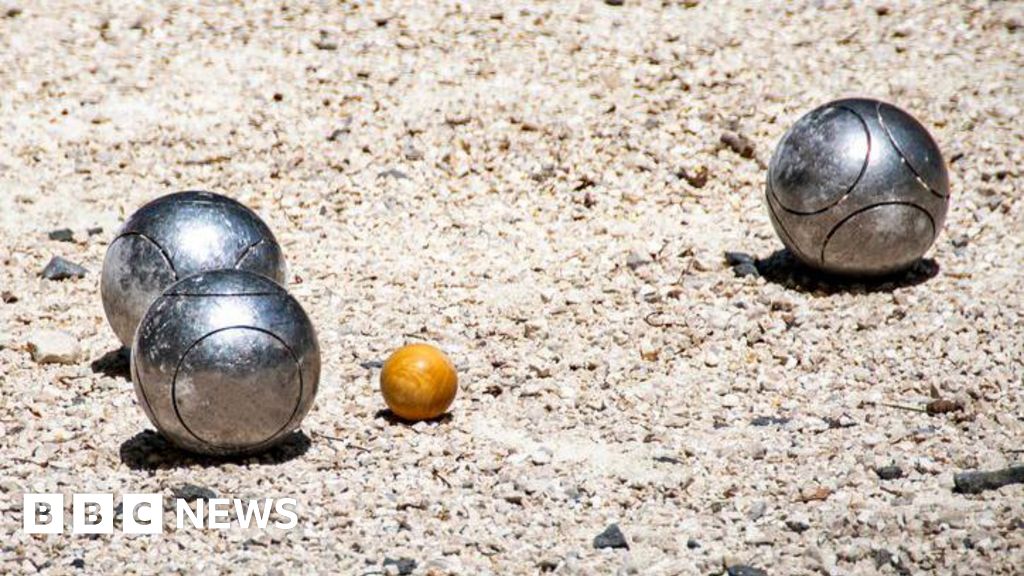
Pétanque Player, 68, Dies After Being Hit in Head With Metal Boule
A 68-year-old man died after sustaining a head injury from a metal boule during a game of pétanque, according to reports from the BBC. The incident underscores the potential for severe trauma associated with the heavy steel spheres used in the traditional French sport, which is typically played without protective equipment.
Details of the Fatal Pétanque Incident
The victim, identified as a 68-year-old man, suffered a fatal blow to the head during a match of pétanque. According to the BBC, the injury occurred when a metal boule struck the player, leading to his death. While the specific circumstances of the throw—whether it was an accidental deflection or a misplaced shot—remain under scrutiny, the outcome highlights the physical risks inherent in the game’s equipment.
Pétanque is widely perceived as a low-impact, leisure activity often associated with retirees and social gatherings in Mediterranean climates. However, the materials used in the sport transform a casual game into a high-risk scenario if safety boundaries are breached. The “boules” used in professional and amateur play are not lightweight balls but dense, metallic spheres designed for durability and impact.
Key facts regarding the incident include:
- Victim Age: 68 years old.
- Cause of Death: Traumatic head injury caused by a metal boule.
- Primary Source: BBC reporting.
- Context: A standard game of pétanque.
What is Pétanque and How is it Played?
To understand how a leisure sport could result in a fatality, it is necessary to examine the mechanics of pétanque. Originating in Provence, France, pétanque is a form of boules where the objective is to throw hollow or solid metal balls as close as possible to a small wooden target ball called a cochonnet (meaning “piglet”).
The name “pétanque” is derived from the Provençal expression pè tanca, meaning “feet anchored.” Unlike other boules sports where players might take a running start, pétanque requires players to stand still within a small circle drawn on the ground. This stationary position limits the player’s ability to dodge incoming projectiles quickly if a teammate or opponent throws a ball in their direction.
The Two Primary Throwing Styles
In pétanque, players utilize two distinct strategies, both of which involve different levels of force and risk:
- Pointing (Pointage): This is a tactical throw intended to place the boule as close to the cochonnet as possible. These throws are generally slower and follow a higher arc, landing softly on the terrain.
- Shooting (Tir): This is an aggressive move designed to knock an opponent’s boule away from the target. Shooting involves throwing the metal sphere with significant velocity and a flatter trajectory. A “carreau”—the most prized shot in the game—occurs when the shooter’s boule replaces the opponent’s boule exactly where it sat.
The “shooting” technique is where the highest risk of injury exists. Because the boule is thrown with force to displace another metal object, any miscalculation in aim or an unexpected bounce can send the heavy sphere toward a bystander or another player.
The Physics of the Metal Boule: Why it is Dangerous
The lethality of the incident reported by the BBC is tied directly to the composition and mass of the equipment. Unlike bocce balls, which may be made of plastic or resin, professional pétanque boules are constructed from carbon steel or stainless steel.
Weight and Material Specifications
According to international sporting standards, a legal pétanque boule must adhere to strict weight and size requirements. A standard boule typically weighs between 650 grams and 800 grams. For a 68-year-old individual, a direct impact from a nearly 800-gram steel sphere to the cranium can generate enough kinetic energy to cause skull fractures, intracranial hemorrhaging, or immediate unconsciousness.
| Feature | Pétanque Boule | Standard Bocce Ball | Lawn Bowl |
|---|---|---|---|
| Material | Steel / Stainless Steel | Resin / Plastic / Wood | Composite / Plastic |
| Average Weight | 650g – 800g | 900g – 1.2kg (varies) | 1kg – 1.6kg |
| Impact Surface | Hard Metal | Hard Synthetic | Smooth Composite |
| Typical Velocity | High (during “shooting”) | Moderate | Low (rolling) |
The Impact Dynamics
When a player performs a “tir” (shoot), the boule travels at a high velocity. If the boule strikes a hard surface—such as another steel boule—it does not absorb the energy; instead, it deflects. This deflection can be unpredictable. If a player is crouching to measure the distance between a boule and the cochonnet, their head is often positioned at the exact height and trajectory of a deflected shot.
Medical experts note that head trauma in older adults is particularly dangerous. Due to age-related changes such as cerebral atrophy (the shrinking of the brain), there is often more space between the brain and the skull. This can allow the brain to move more violently during an impact, increasing the likelihood of subdural hematomas—where blood collects between the brain and its outermost covering.
Safety Protocols and Common Misconceptions in Boules Sports
A common misconception about pétanque is that it is “safe” because it lacks the high-speed collisions of football or the heavy equipment of cricket. However, the lack of protective gear in pétanque is a significant safety gap. No player wears a helmet, and there are no physical barriers between the thrower and the target area.
Existing Safety Guidelines
While there is no formal “safety manual” for casual park play, competitive federations emphasize several unspoken rules to prevent accidents:
- The Clear Zone: Players are encouraged to stand well behind the throwing line and avoid entering the “field of play” until the thrower has released the boule.
- Communication: Throwers often signal their intent to “shoot” to warn others to step back.
- Measuring Safety: When measuring the distance to the target, the measuring player should avoid leaning their head directly over the boules.
Despite these guidelines, the social nature of the game often leads to lax adherence. Friends and family frequently stand close to the action to observe, placing them directly in the path of potential deflections. The BBC report on the 68-year-old player serves as a stark reminder that these “leisurely” guidelines are insufficient to prevent fatal accidents.
Comparison with Other Boules Variants
To understand the specific risk profile of pétanque, it is helpful to compare it with other similar sports. While all boules sports involve throwing spheres, the materials and methods differ.
Pétanque vs. Bocce
Bocce is more common in Italy and the United States. While bocce balls can be heavier than pétanque boules, they are often played on a specialized court with sideboards that contain the balls. Pétanque is played on open ground (gravel, sand, or hard-packed earth), meaning the balls can bounce and deviate in unpredictable directions depending on the terrain.
Pétanque vs. Lawn Bowls
Lawn bowls uses biased balls that curve. The velocity of a lawn bowl is significantly lower than that of a pétanque “shoot.” The primary danger in lawn bowls is typically related to tripping or joint strain, whereas the primary danger in pétanque is acute impact trauma.
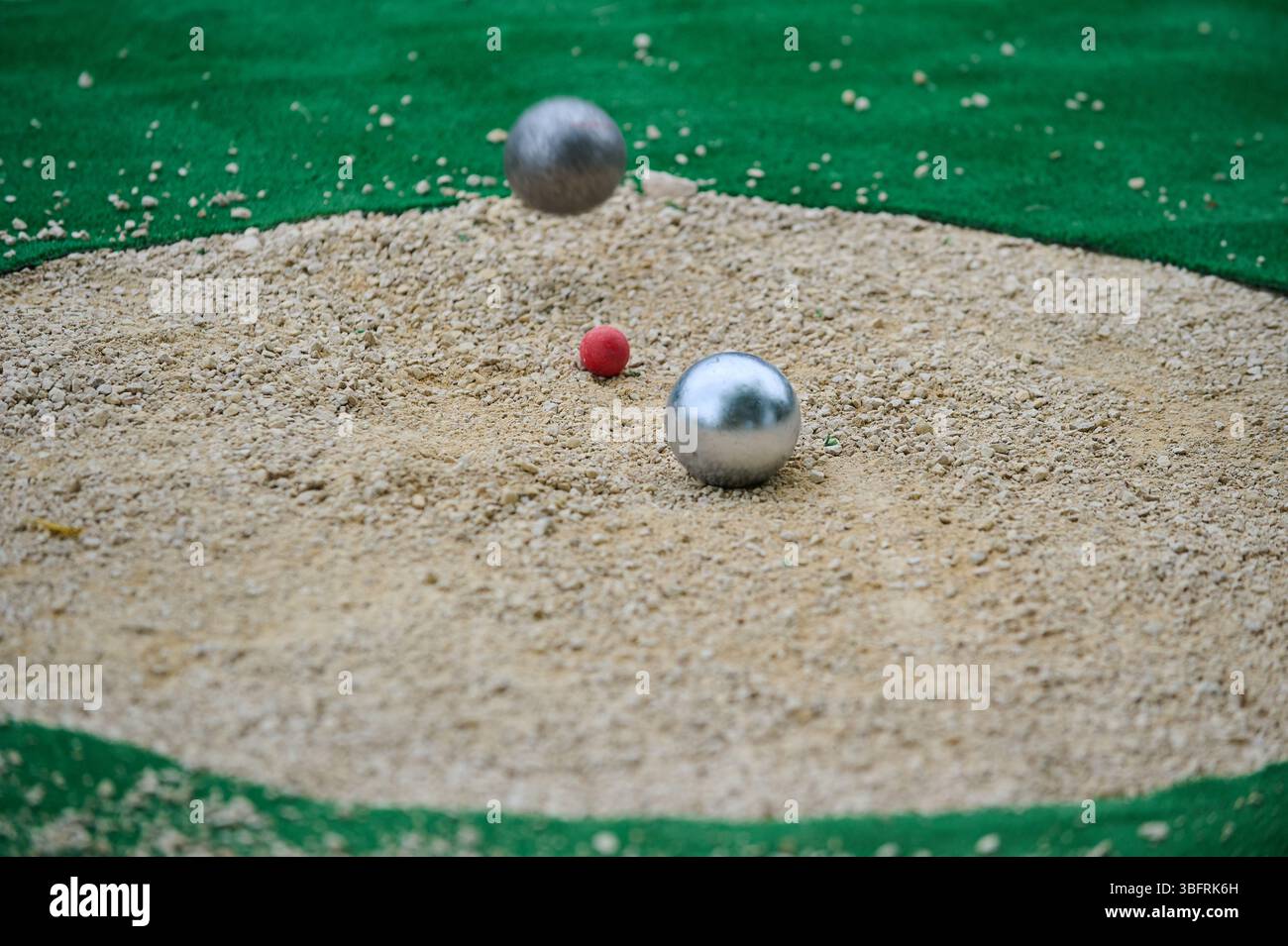
The “shooting” aspect of pétanque is the unique variable. The intentional act of striking one metal object with another at high speed creates a “shrapnel” effect where the redirected energy can be lethal if it strikes a human target.
Implications for Community Sports Clubs and Legal Liability
The death of a player in a community setting often raises questions about the “duty of care” provided by sports clubs or municipalities that maintain pétanque courts. When a fatality occurs, legal investigations typically focus on whether the environment was reasonably safe.
Potential Areas of Liability
- Court Maintenance: If a court has uneven surfaces that cause a boule to bounce unexpectedly upward, the maintaining body could be scrutinized.
- Safety Signage: Many public courts lack warnings regarding the dangers of standing in the line of fire during a match.
- Supervision: In organized club settings, the absence of a designated safety officer or referee to manage player positioning may be viewed as a lapse in oversight.
However, because pétanque is largely a self-regulated sport, many jurisdictions view these accidents as “inherent risks” of the activity. Participants are generally assumed to accept the risk of being hit by a ball, similar to how a golfer accepts the risk of a stray ball. The severity of this specific case—resulting in death—may prompt a re-evaluation of these assumptions.
Addressing the Risk: Can Pétanque Be Made Safer?
Given the rarity of fatalities but the severity of the outcome, some suggest that the sport needs modernized safety standards. While helmets are unlikely to be adopted due to the traditional and social nature of the game, other measures could be implemented.
Proposed Safety Improvements
- Standardized “Danger Zones”: Marking the ground with lines to indicate where spectators and non-throwing players must stand.
- Material Innovation: Developing high-density synthetic boules for amateur play that mimic the weight of steel but have a slightly more dampened impact profile.
- Mandatory Safety Briefings: Requiring clubs to provide a safety orientation for new members, emphasizing the danger of the “shooting” throw.
For those interested in learning more about managing risks in outdoor activities, a related explainer on community sports safety may provide further guidance on preventing avoidable injuries.
Frequently Asked Questions
How heavy is a professional pétanque boule?
A standard professional pétanque boule typically weighs between 650 and 800 grams and is made of steel or stainless steel.
Is it common for pétanque players to be injured?
Minor injuries, such as bruised toes or strained muscles, are relatively common. However, severe head injuries are extremely rare, which often leads to a lack of safety precautions among players.
Why is a metal boule more dangerous than a regular ball?
Unlike rubber or plastic balls, steel does not compress upon impact. This means almost all the kinetic energy is transferred directly into the object it hits, making it far more likely to cause fractures or internal trauma.
What is the most dangerous move in pétanque?
The “tir” or shooting throw is the most dangerous, as it involves throwing the boule at high velocity to knock another boule away, creating a risk of unpredictable deflections.
Are there safety helmets for pétanque?
No, there are currently no standard safety helmets used in pétanque. The sport is traditionally played as a social leisure activity without protective gear.
The tragedy involving the 68-year-old player serves as a cautionary tale for the global pétanque community. While the game remains a beloved pastime, the physical reality of throwing heavy metal spheres requires a level of vigilance that matches the potential for injury. As the sport continues to grow in popularity, the balance between its traditional, relaxed atmosphere and the necessity for basic safety protocols will remain a critical point of discussion for clubs and players alike.
