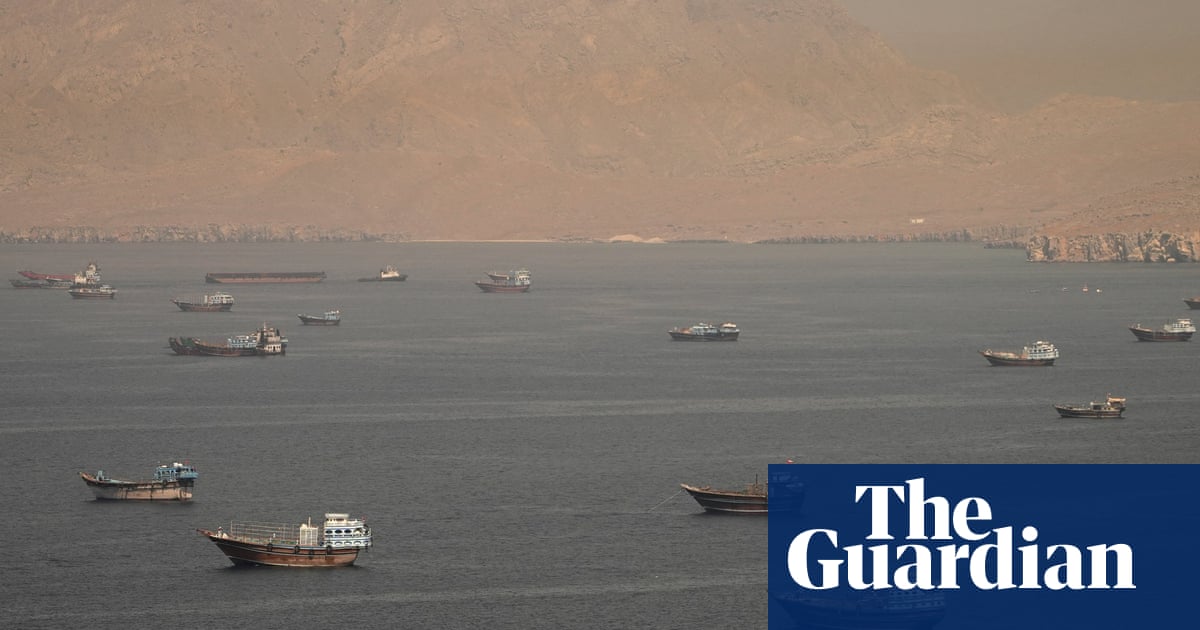
Hormuz Traffic Stalls as U.S.-Iran Talks Collapse – Crude Oil Prices Today | OilPrice.com
Oil tanker traffic in the Strait of Hormuz has declined following the collapse of diplomatic negotiations between the United States and Iran, according to OilPrice.com. This disruption threatens global energy supplies and impacts crude oil prices as the region remains a critical chokepoint for maritime trade.
Why has ship traffic in the Strait of Hormuz declined?
Maritime traffic has stalled primarily because diplomatic efforts between Washington and Tehran have failed to reach a sustainable agreement, reports OilPrice.com. The Strait of Hormuz serves as the world’s most important oil transit chokepoint, and any breakdown in diplomatic relations typically manifests as increased tension in these waters. When talks collapse, the perceived risk of seizures, harassment, or military escalation increases, leading shipping companies to exercise caution or reroute vessels.
The current stagnation follows a brief period of optimism. According to reports from CNBC and CTV News, tanker traffic had previously jumped after the U.S. and Iran implemented a deal intended to open and secure the sea lanes. That deal provided a window of stability that allowed shipping volumes to climb, but the recent collapse of talks has effectively reversed those gains.
Key factors contributing to the current stall include:
- Diplomatic Breakdown: The failure of U.S.-Iran negotiations removes the security guarantees that previously encouraged shipping firms to resume normal operations.
- Heightened Risk Profiles: Insurance premiums for tankers in the Persian Gulf often spike when diplomatic ties fray, making transit more expensive.
- Strategic Posturing: Iran has historically used the Strait as a lever in international negotiations, signaling its ability to disrupt flow when diplomatic goals are not met.
How are crude oil prices reacting to the Hormuz instability?
Crude oil prices typically react with volatility to any news of instability in the Strait of Hormuz. According to OilPrice.com, the collapse of talks creates a “risk premium” in the market. This means traders price in the possibility of a supply shock even before a physical blockage occurs.

Because a significant portion of the world’s liquefied natural gas (LNG) and crude oil passes through this narrow waterway, the market views the collapse of U.S.-Iran talks as a direct threat to global energy security. When traffic stalls, it signals to the market that the risk of a full closure or targeted interference is rising, which often pushes Brent and West Texas Intermediate (WTI) prices upward.
| Market Condition | Impact on Traffic | Typical Price Reaction |
|---|---|---|
| Diplomatic Deal (CNBC/CTV) | Traffic Increases | Price Stabilization/Decrease |
| Talks Collapse (OilPrice.com) | Traffic Stalls | Price Increase (Risk Premium) |
| Active Conflict/Closure | Traffic Stops | Price Spike/Volatility |
What is the significance of Iran’s proposed maritime fees?
Adding a new layer of economic tension to the geopolitical standoff, Iran has announced plans to introduce maritime fees for vessels utilizing the Strait of Hormuz, according to The Guardian. This move represents a shift from purely military or diplomatic pressure to a financial strategy aimed at controlling the waterway.
The introduction of these fees is seen by analysts as a method for Tehran to assert sovereignty over the strait and generate revenue while simultaneously creating a new point of contention with international shipping interests. For the U.S. and its allies, such fees are often viewed as an illegal imposition on international waters, further complicating the diplomatic landscape.
The timing of this announcement is critical. By proposing fees immediately following the collapse of talks, Iran signals that the “cost” of using the strait will increase if diplomatic concessions are not made. This creates a secondary pressure point for global oil markets beyond the immediate fear of military conflict.
How is the reopening of the Strait being monitored?
Global observers and energy traders are relying on real-time data to gauge the severity of the traffic stall. CNN reports that the reopening and subsequent closing of the Strait are being tracked through live maps and charts. These tracking tools use Automatic Identification System (AIS) data to monitor the movement of tankers in real-time.
These maps provide a visual representation of the “pulse” of the global oil market. When the U.S. and Iran implemented their previous deal, trackers showed a visible surge in vessel density. Conversely, the current collapse of talks is reflected in a thinning of traffic and a change in vessel behavior, such as tankers slowing down or idling outside the strait until security clearances or insurance updates are confirmed.
Monitoring these patterns allows stakeholders to:
- Verify Official Claims: Trackers can confirm whether traffic is actually stalling or if reports are exaggerated.
- Predict Price Movements: A sudden drop in vessel counts often precedes a jump in crude oil futures.
- Assess Risk: Shipping companies use this data to determine if it is safe to send high-value cargoes through the region.
The geopolitical context: Why the Strait of Hormuz matters
To understand why the collapse of U.S.-Iran talks leads to a traffic stall, one must understand the geography of the region. The Strait of Hormuz is a narrow waterway connecting the Persian Gulf with the Gulf of Oman and the Arabian Sea. At its narrowest point, the shipping lanes are only two miles wide in each direction.
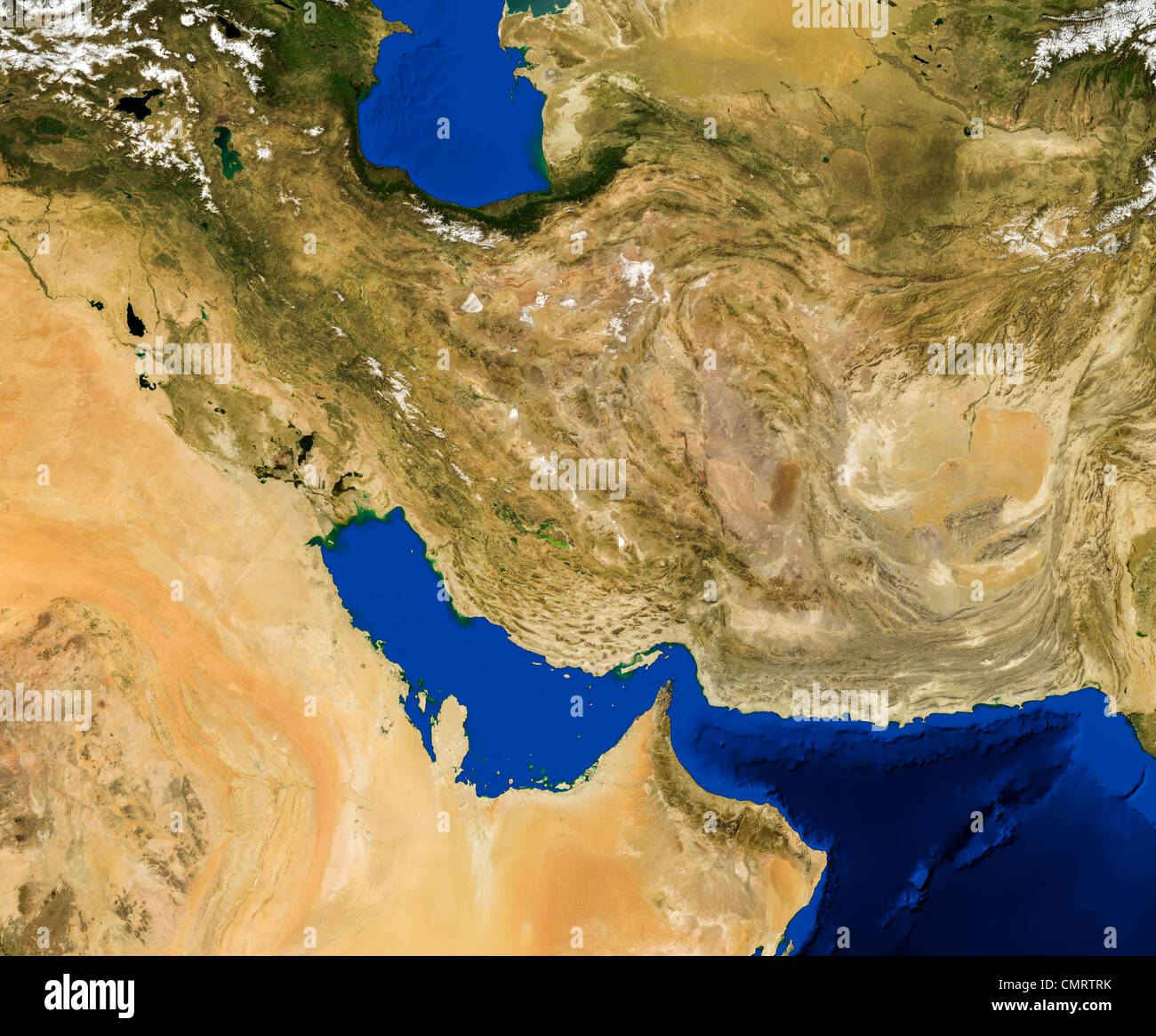
This geographical bottleneck makes it an ideal tool for asymmetric warfare or diplomatic leverage. If Iran chooses to restrict access, there are very few viable alternatives for exporting oil from Saudi Arabia, Iraq, Kuwait, and the UAE. While some pipelines exist to bypass the strait, they cannot handle the total volume of oil that typically flows through the water.
“The Strait of Hormuz is effectively the jugular vein of the global oil economy; any constriction there is felt immediately in gas prices and industrial costs worldwide.”
The cycle of “deal and collapse” seen in recent reports from CNBC, CTV, and OilPrice.com highlights the fragility of this balance. The transition from a “war deal” that opened the lanes to a diplomatic collapse that stalls them shows how closely maritime commerce is tied to the political whims of Washington and Tehran.
Common misconceptions about Hormuz traffic disruptions
A frequent oversimplification is the belief that a “stall” in traffic means the Strait is closed. According to the data provided by CNN and OilPrice.com, a stall typically refers to a decrease in volume or a hesitation in scheduling, not a total blockade. Total closures are rare because they would devastate the Iranian economy as well, as Iran also relies on the strait to export its own oil.
Another misconception is that oil prices only rise during a physical blockade. In reality, as seen in the current situation, the mere collapse of talks is enough to drive prices up. The market trades on expectation and risk. The uncertainty regarding whether Iran will implement the maritime fees reported by The Guardian, or whether the U.S. will increase its naval presence, creates volatility long before a single ship is stopped.
Finally, some assume that rerouting is a simple solution. However, the geography of the Persian Gulf means that for most producers in the region, there is no other way out. Rerouting is only an option for those who can utilize the limited pipeline capacity across Saudi Arabia or the UAE, which is insufficient to replace the strait’s throughput.
Comparing the “Deal” phase vs. the “Collapse” phase
The contrast between the reporting from CNBC/CTV and OilPrice.com provides a clear picture of how quickly the maritime environment changes based on political signals.
During the “Deal” phase, the narrative was one of recovery. CNBC and CTV News highlighted a jump in traffic, suggesting that the implementation of a security agreement had mitigated the risk for ship owners. During this time, the focus was on “opening sea lanes” and the return to normalcy.
The “Collapse” phase, as detailed by OilPrice.com, flips this narrative. The focus shifts from “opening” to “stalling.” The primary driver is no longer the implementation of a deal, but the failure of diplomacy. This transition demonstrates that the Strait of Hormuz does not operate on commercial logic alone, but is a direct reflection of the U.S.-Iran diplomatic temperature.
The addition of the “maritime fees” reported by The Guardian suggests that Iran may be moving toward a more permanent method of exerting control, regardless of whether a diplomatic deal is in place. This would represent a shift from using the strait as a temporary bargaining chip to using it as a permanent economic tool.
For those following the market, a related explainer on oil risk premiums may provide further context on how these geopolitical events translate into the price per barrel at the pump.
Frequently Asked Questions
What is the primary cause of the current traffic stall in the Strait of Hormuz?
According to OilPrice.com, the stall is a direct result of the collapse of diplomatic talks between the United States and Iran, which has increased the perceived risk for maritime transit.
How does the collapse of U.S.-Iran talks affect global oil prices?
The collapse typically introduces a “risk premium” into crude oil prices. Traders anticipate potential supply disruptions, which leads to increased prices for Brent and WTI crude, even if the flow of oil has not been completely stopped.

What are the “maritime fees” mentioned in recent reports?
As reported by The Guardian, Iran has announced plans to implement fees for ships passing through the Strait of Hormuz, effectively attempting to monetize the transit of vessels through the waterway.
How can the public track ship movements in the Strait?
According to CNN, live maps and charts using AIS (Automatic Identification System) data are used to track the reopening or stalling of traffic in real-time.
Why can’t oil tankers simply go around the Strait of Hormuz?
The geography of the Persian Gulf makes the Strait the only maritime exit for most oil-producing nations in the region. While some pipelines exist, they lack the capacity to handle the total volume of oil that passes through the strait.
The current volatility in the Strait of Hormuz underscores the precarious nature of global energy logistics. With traffic stalling following the collapse of talks, the world remains dependent on the fragile diplomatic relationship between the U.S. and Iran. As Iran explores new financial measures like maritime fees and the U.S. monitors the flow via real-time trackers, the intersection of politics and petroleum continues to dictate the pace of global trade.
