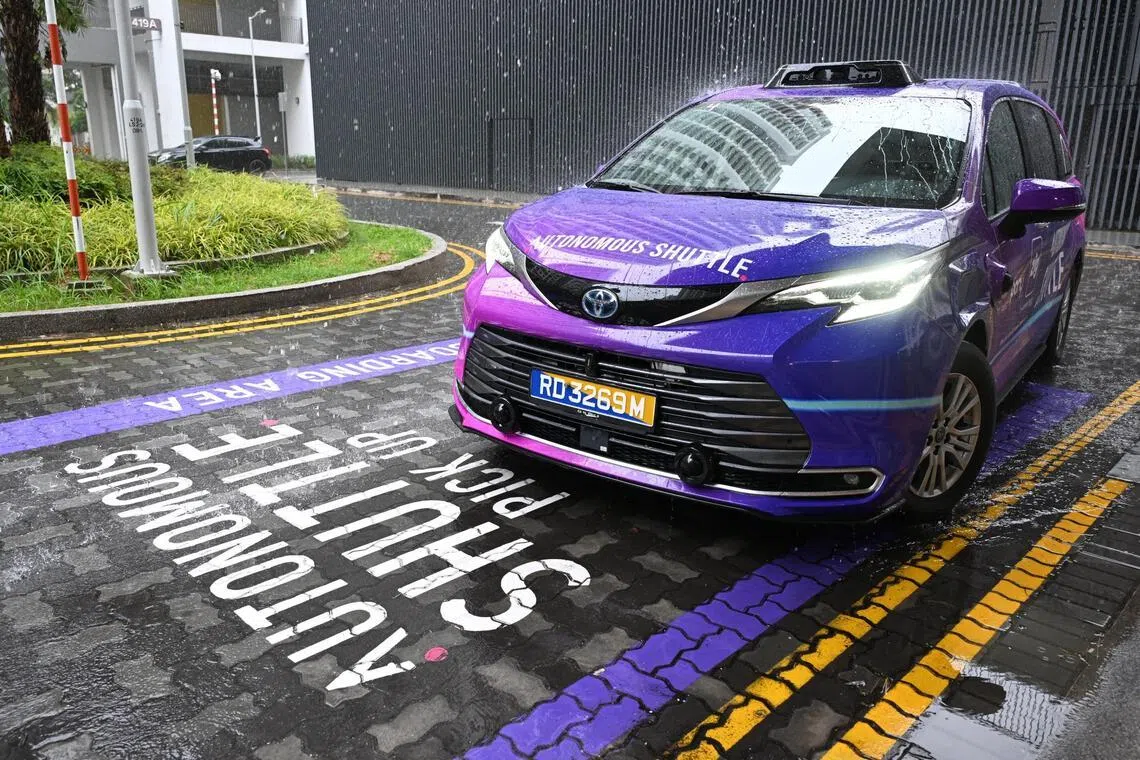
ComfortDelGro Opens Free Driverless Shuttle Rides to Public Starting June 22
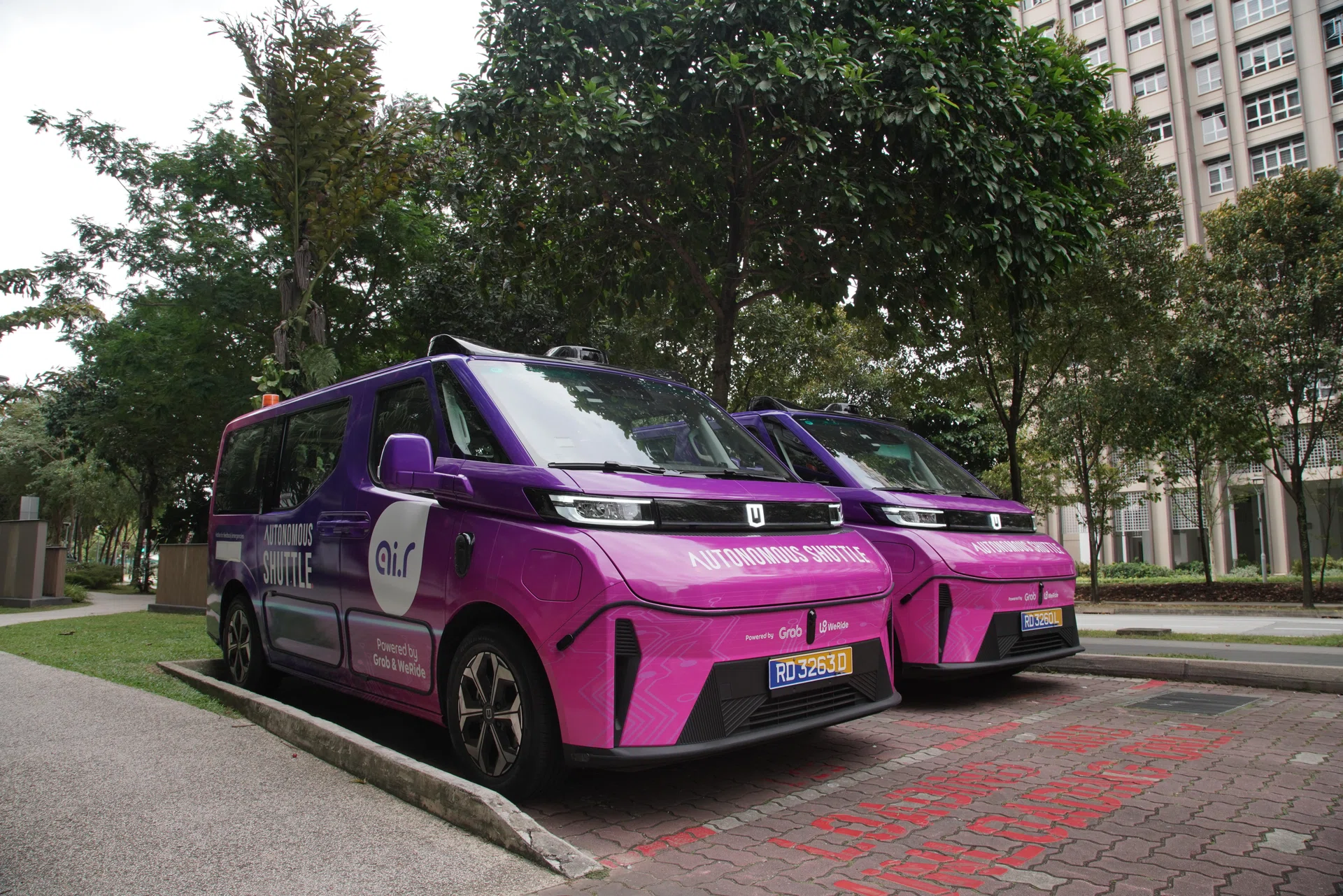
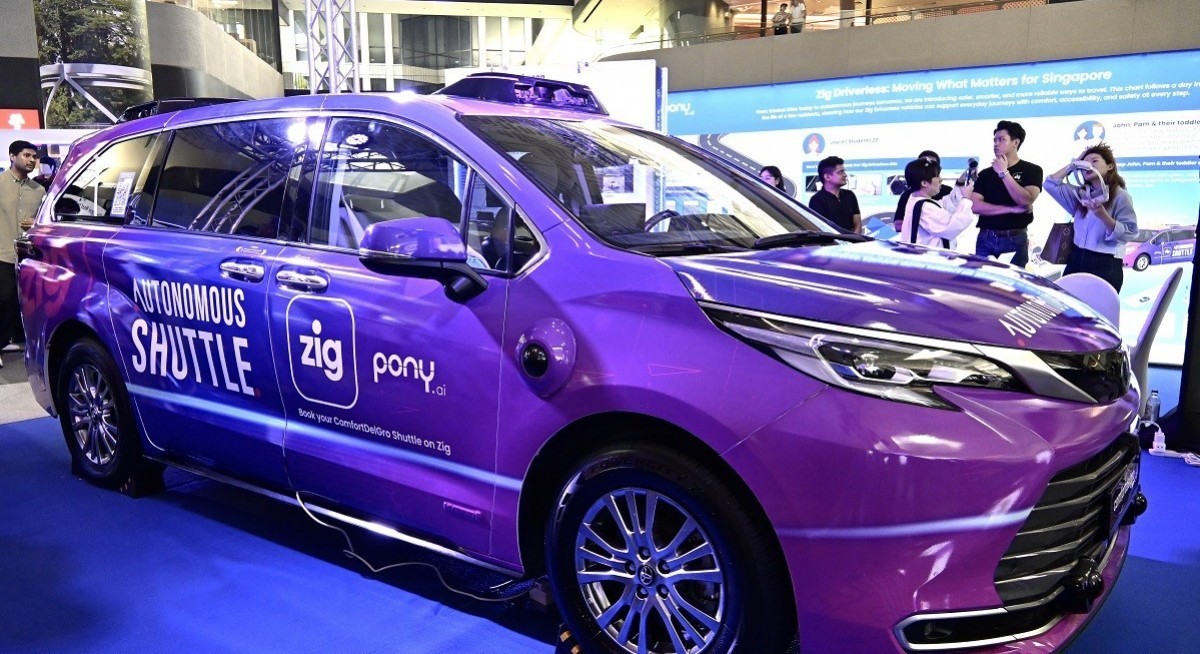
ComfortDelGro is offering free driverless shuttle rides to the public starting June 22, according to reporting from The Straits Times. This rollout follows a successful autonomous vehicle (AV) trial in Punggol that served more than 1,500 riders, a milestone noted by the British Chamber of Commerce Singapore. The move signals a strategic expansion into the robotaxi sector, with the company identifying Singapore and China as its primary target markets, per The Business Times.
What are the details of the June 22 driverless shuttle launch?
The public launch on June 22 marks a transition from controlled testing to broader community interaction. According to The Straits Times, these driverless shuttles will be available for free, allowing residents and commuters to experience autonomous transit in a real-world urban environment. The initiative aims to gather user feedback and test the reliability of the AV systems under varying traffic conditions and pedestrian behaviors.
The deployment is part of a larger effort to integrate autonomous mobility into the existing public transport fabric. By removing the cost barrier, ComfortDelGro is accelerating the rate of public adoption and normalizing the presence of driverless pods on city streets.
- Start Date: June 22
- Cost: Free for the public
- Primary Goal: Public testing and user experience gathering
- Operator: ComfortDelGro
How did the Punggol autonomous vehicle trial perform?
Before the June 22 public opening, ComfortDelGro conducted a focused trial in the Punggol district. According to the British Chamber of Commerce Singapore, this trial served over 1,500 riders. The organization reported that the system is “faring well on roads,” suggesting that the technical hurdles of navigating a residential and commercial hub have been largely managed.
The Punggol trial served as a proof-of-concept for the safety and efficiency of the shuttles. Key metrics from the Punggol phase included the vehicle’s ability to handle unpredictable pedestrian movements and its integration with existing traffic signals. The success of this phase provided the necessary data to justify the wider public offering.
| Trial Phase | Key Metric | Outcome/Status |
|---|---|---|
| Punggol Trial | Rider Volume | 1,500+ passengers served |
| Punggol Trial | Road Performance | Reported as “faring well” |
| Public Rollout | Accessibility | Open to public from June 22 |
Why is ComfortDelGro targeting Singapore and China for robotaxis?
ComfortDelGro has identified Singapore and China as the two most critical markets for its robotaxi ambitions, according to The Business Times. This strategic focus is driven by the differing but complementary advantages of the two regions.
In Singapore, the company benefits from a highly regulated, digitally integrated urban environment. The city-state’s “Smart Nation” initiatives provide a supportive framework for AV testing, including dedicated infrastructure and clear regulatory guidelines from the Land Transport Authority (LTA). This makes Singapore an ideal “living lab” for refining the technology.
China, by contrast, offers massive scale. The Chinese market has seen rapid adoption of robotaxis in cities like Beijing and Shanghai, driven by aggressive tech giants and government backing. By positioning itself in both markets, ComfortDelGro can combine Singapore’s precision and regulatory stability with China’s scale and rapid iteration cycles.
“ComfortDelGro sees China and Singapore as key robotaxi markets,” as reported by The Business Times.
How does this fit into the broader autonomous vehicle landscape?
The shift toward driverless shuttles is not an isolated event but part of a global trend toward “Mobility-as-a-Service” (MaaS). By deploying AVs, ComfortDelGro is moving from a traditional taxi operator model to a technology-driven transport provider.
This transition addresses several industry pressures. Labor shortages in the driving sector have pushed operators to seek automation. Additionally, the integration of AVs into first-and-last-mile connectivity—the gap between a commuter’s home and a mass transit station—is a primary goal for urban planners in Singapore. The Punggol trial specifically targeted this need, demonstrating how driverless pods can bridge the gap for residents.
Comparison of Market Approaches
The approach taken by ComfortDelGro differs from some Western AV firms. While companies like Waymo or Cruise have faced high-profile setbacks in US cities, the Singaporean approach has been characterized by incremental, highly controlled phases. The progression from the Punggol trial (1,500 riders) to a scheduled public opening on June 22 reflects a cautious, safety-first methodology.
Related explainer on autonomous vehicle regulations in Asia.
What are the technical and social implications of driverless shuttles?
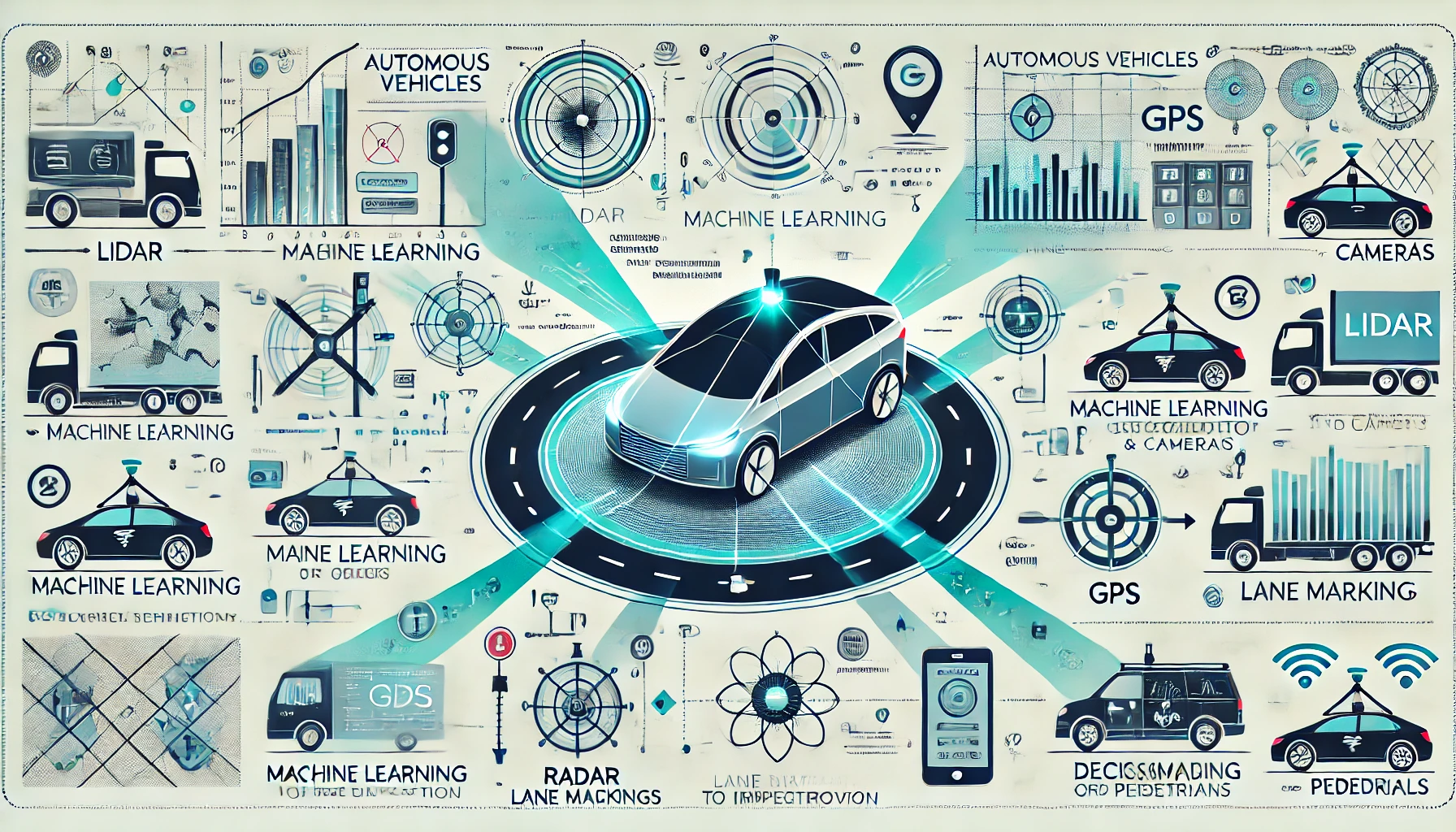
The deployment of these shuttles raises critical questions about urban safety and the future of employment. From a technical standpoint, the “faring well” report from the British Chamber of Commerce Singapore indicates that sensor fusion—the combination of LiDAR, radar, and cameras—is reaching a level of maturity capable of handling Singapore’s humid climate and dense traffic.
Socially, the free rides starting June 22 act as a psychological bridge. Public skepticism toward “ghost cars” is a significant barrier to AV adoption. By allowing the public to ride for free, ComfortDelGro is attempting to build trust through direct experience. If riders feel safe in a pod without a human driver, the path to commercialization becomes much smoother.
Potential Challenges for Public Adoption
- Edge Cases: Unpredictable behavior by human drivers or pedestrians.
- Regulatory Hurdles: Liability laws in the event of an autonomous vehicle collision.
- Public Trust: Overcoming the fear of software failure in high-speed or high-density areas.
How does the robotaxi strategy impact the traditional taxi industry?
The move toward robotaxis represents a disruptive shift for the traditional taxi industry. ComfortDelGro, as a dominant player in the taxi space, is attempting to disrupt itself before external tech competitors do. By owning the fleet and the autonomous technology, the company can maintain its market share even as the role of the human driver diminishes.
According to the strategic outlook reported by The Business Times, the focus on China and Singapore suggests that the company is not looking for a one-size-fits-all solution. Instead, it is tailoring its robotaxi deployment to the specific urban densities and regulatory environments of these two hubs.
This strategy allows the company to hedge its bets. If the regulatory environment in one region slows down, the progress in the other can sustain the company’s growth in the autonomous sector.
Common Misconceptions About the ComfortDelGro AV Rollout
There is a common belief that “driverless” means the total absence of human oversight. However, in the context of the June 22 rollout and the Punggol trials, these vehicles typically operate within “geofenced” areas. This means the shuttles are programmed to operate only within a specific, mapped boundary where the environment is well-understood by the system.
Another misconception is that the June 22 launch is a full commercial release. In reality, the “free” nature of the rides indicates that this is still a trial phase. The goal is not immediate profit, but data collection and public acclimation. The 1,500 riders in Punggol provided the baseline; the June 22 public opening provides the scale.
Finally, some assume these shuttles will immediately replace all taxis. The current trajectory suggests a hybrid model where AVs handle short-distance, predictable shuttle routes, while human drivers continue to manage complex, long-distance, or high-touch passenger needs.
Frequently Asked Questions
When can the public start taking free driverless shuttle rides?
According to The Straits Times, free driverless shuttle rides provided by ComfortDelGro are open to the public starting June 22.
Where were the previous autonomous vehicle trials conducted?
The British Chamber of Commerce Singapore reported that a successful trial was conducted in Punggol, where the system served more than 1,500 riders.
Which countries are the primary targets for ComfortDelGro’s robotaxis?
The Business Times reports that ComfortDelGro views Singapore and China as the key markets for its robotaxi expansion.
Is the driverless shuttle system safe?
While safety is an ongoing area of testing, the British Chamber of Commerce Singapore noted that the system has been “faring well on roads” during its initial trials with over 1,500 passengers.
Are these rides truly free for everyone?
Yes, The Straits Times indicates that the rides are open to the public for free starting June 22 to encourage adoption and testing.
As ComfortDelGro moves forward with its June 22 launch, the industry will be watching the transition from the controlled Punggol environment to the wider public sphere. The results of this phase will likely determine the pace of robotaxi deployment across Singapore and the eventual scaling of operations in China.
