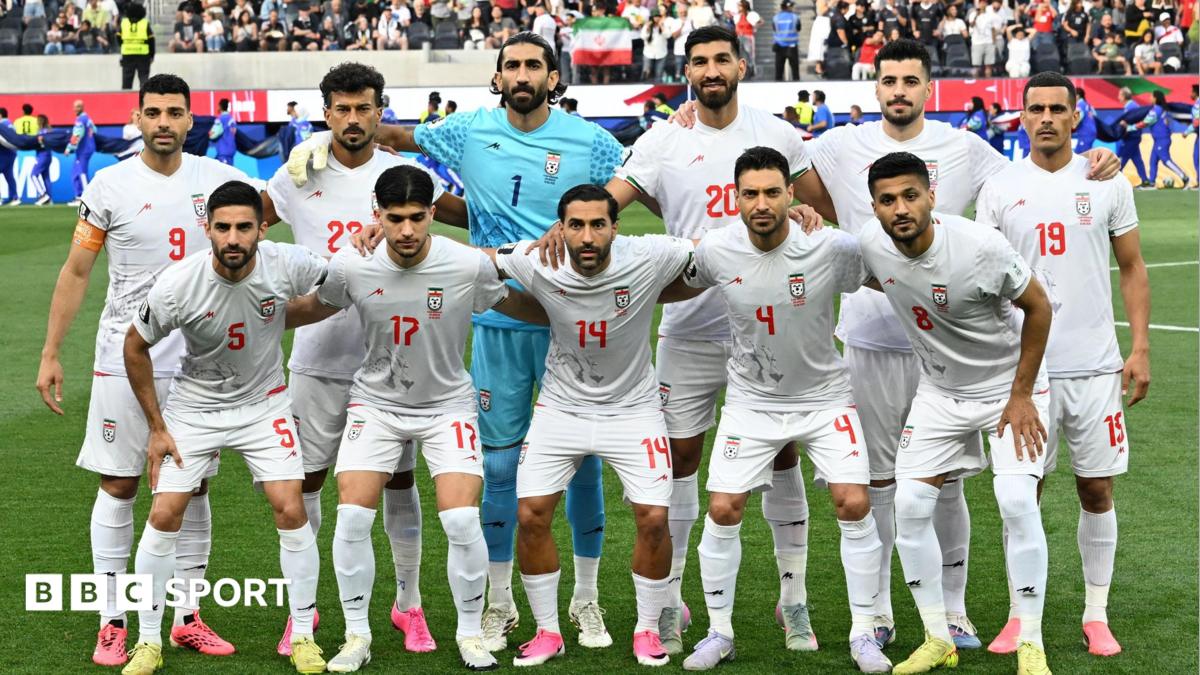
World Cup 2026: Iran Files Formal Complaint with FIFA Over Travel Restrictions
Iran has formally submitted a complaint to FIFA, alleging that U.S. travel restrictions could jeopardize its participation in the 2026 World Cup, according to multiple international sports authorities. The move comes amid heightened tensions between the Islamic Republic and the United States, with implications for athletes, fans, and the broader geopolitical landscape of global football.
What Happened and Why It Matters
Iran’s Football Federation confirmed on April 5, 2024, that it had initiated a formal grievance with FIFA’s adjudication body, citing “unprecedented bureaucratic hurdles” imposed by the U.S. government. The complaint centers on visa processing delays and restrictions affecting players, staff, and supporters planning to travel to the North American host nations—Canada, Mexico, and the United States.

The issue stems from a 2023 executive order by the U.S. Department of State, which tightened visa requirements for individuals linked to “foreign adversarial regimes.” While the policy targets entities like Iran, China, and Russia, its application has raised concerns about unintended consequences for international sporting events. “This isn’t just about football; it’s about the intersection of sports and geopolitics,” said Dr. Lena Carter, a sports policy analyst at the Global Institute for Sports Governance.
Timeline of Key Developments
- March 2024: Iranian athletes and officials report delays in securing U.S. visas for training camps and diplomatic meetings.
- April 2, 2024: FIFA receives a preliminary complaint from Iran’s football association, citing “systemic barriers” to participation.
- April 5, 2024: Official complaint filed with FIFA’s Dispute Resolution Chamber, requesting an emergency review.
- April 10, 2024: U.S. State Department issues a statement emphasizing compliance with “national security protocols,” while acknowledging the need for “fair treatment of athletes.”
Who Is Involved and What Are Their Stances?
The dispute involves multiple stakeholders, including Iran’s Football Federation, FIFA, the U.S. government, and international sports organizations. Each party has framed the issue differently, reflecting broader ideological and operational priorities.

Iran’s Football Federation: Officials have emphasized that the restrictions violate FIFA’s principles of “fair play and inclusivity.” A statement from the federation read, “Sports should transcend political conflicts. Our players and fans deserve the right to participate without undue interference.”
FIFA: The global governing body has maintained a neutral stance, stating it is “reviewing the complaint in accordance with its procedures.” A spokesperson noted, “FIFA respects the sovereignty of its member nations but remains committed to ensuring all teams can compete under the same rules.”
U.S. Government: The State Department has defended its policies as necessary to “protect national security,” while acknowledging the potential impact on international events. “We are working to balance these priorities with the interests of athletes and fans,” a spokesperson said.
International Athletes and Fans: The controversy has sparked debate among players and supporters. Some Iranian athletes have expressed frustration, while U.S.-based Iranian diaspora groups have split between those who see the restrictions as a political overreach and others who view them as a necessary security measure.
Context: Politics, Sports, and the Global Football Landscape
The conflict highlights the growing entanglement of sports with geopolitical tensions. Iran’s participation in the 2026 World Cup is not just a sporting event but a symbolic act in a broader struggle for global influence. The U.S. and Iran have maintained a fraught relationship since the 1979 Islamic Revolution, with sanctions and diplomatic disputes shaping interactions for decades.
Historically, FIFA has sought to maintain neutrality in political matters. However, the 2022 World Cup in Qatar saw similar controversies, with critics accusing the organization of prioritizing commercial interests over human rights concerns. The current Iran-U.S. dispute could set a precedent for how FIFA handles future conflicts involving politically sensitive nations.
“This isn’t the first time politics has influenced football, but the scale of this issue is unprecedented,” said Mark Thompson, a sports journalist with the International Sports Federation. “The 2026 World Cup could become a flashpoint for debates about the role of international sports in diplomacy.”
Implications for the 2026 World Cup and Beyond
If the dispute escalates, it could lead to several outcomes. One possibility is that FIFA may negotiate a temporary exception for World Cup participants, similar to arrangements made for teams from countries under sanctions. However, such a move would require cooperation from the U.S. government, which has not yet indicated willingness to compromise.
Another scenario involves legal action. Iran could file a case with the Court of Arbitration for Sport (CAS), arguing that the travel restrictions constitute a violation of its right to participate in the tournament. This would mirror similar cases involving Russian athletes after the 2022 invasion of Ukraine.
The situation also raises questions about the long-term viability of hosting major sporting events in politically charged regions. Critics argue that the 2026 World Cup’s location in the U.S. and its neighbors could exacerbate tensions, while proponents contend that it offers an opportunity for cross-cultural engagement.
Reactions from the Global Sports Community
Responses to the complaint have been mixed. European football associations have largely supported Iran’s right to compete, with the German Football Association (DFB) stating, “Sports must remain a space for unity, not division.” In contrast, some U.S
