Philippine President Marcos Invites Russian Counterpart Putin to Finally Visit Manila – Asia News Network
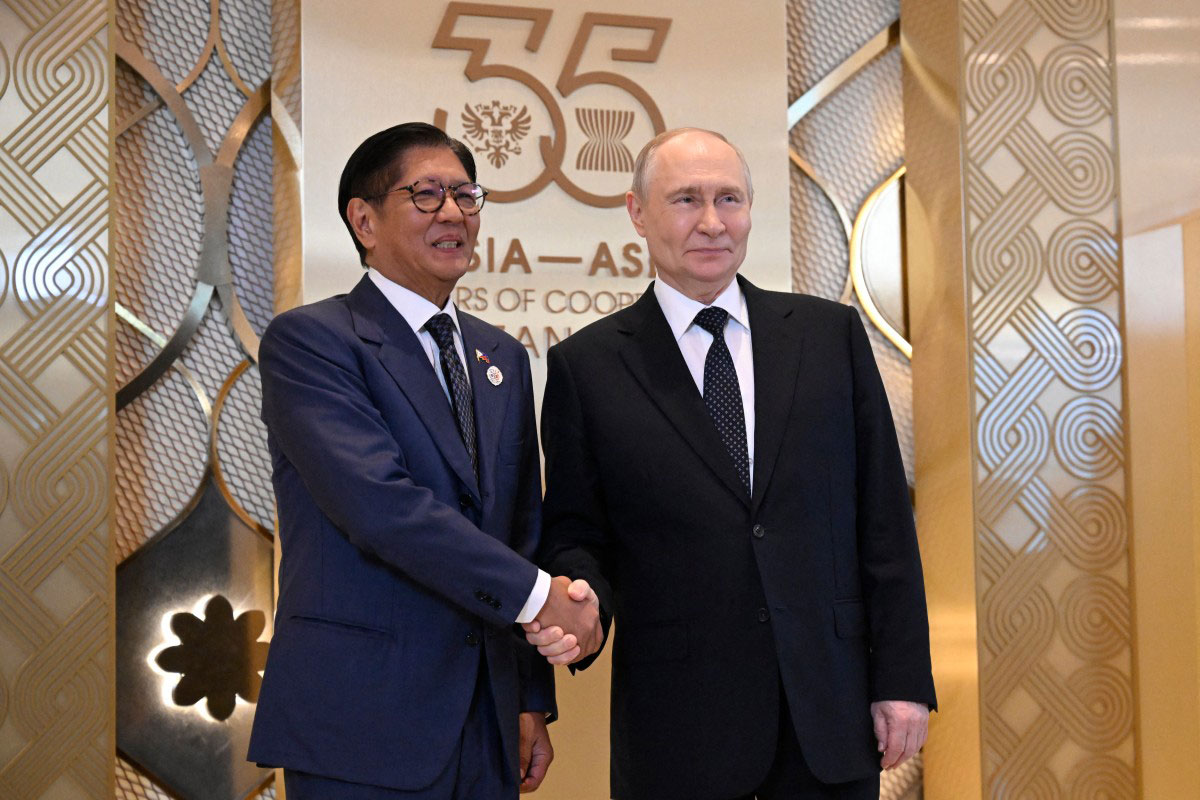
President Ferdinand Marcos Jr. has invited Russian President Vladimir Putin to visit Manila, according to the Asia News Network. The invitation coincides with the ASEAN-Russia Commemorative Summit marking 35 years of dialogue relations, a diplomatic push that occurs as Southeast Asian nations seek to expand trade and energy cooperation despite ongoing G7 pressure on Russia regarding the conflict in Ukraine.
The Diplomatic Outreach: Marcos and Putin
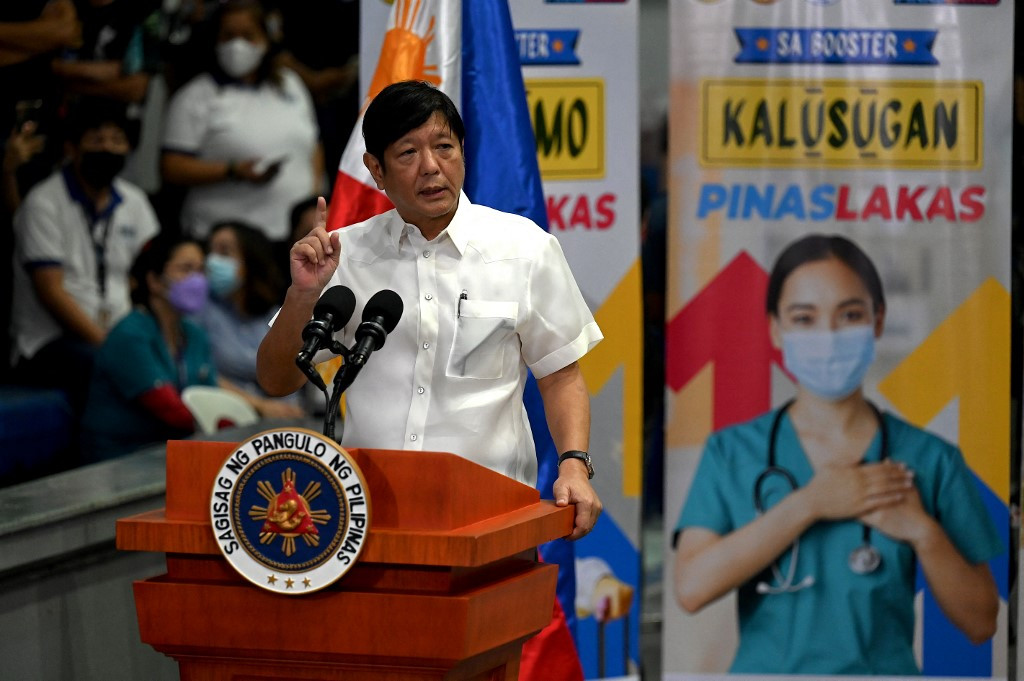
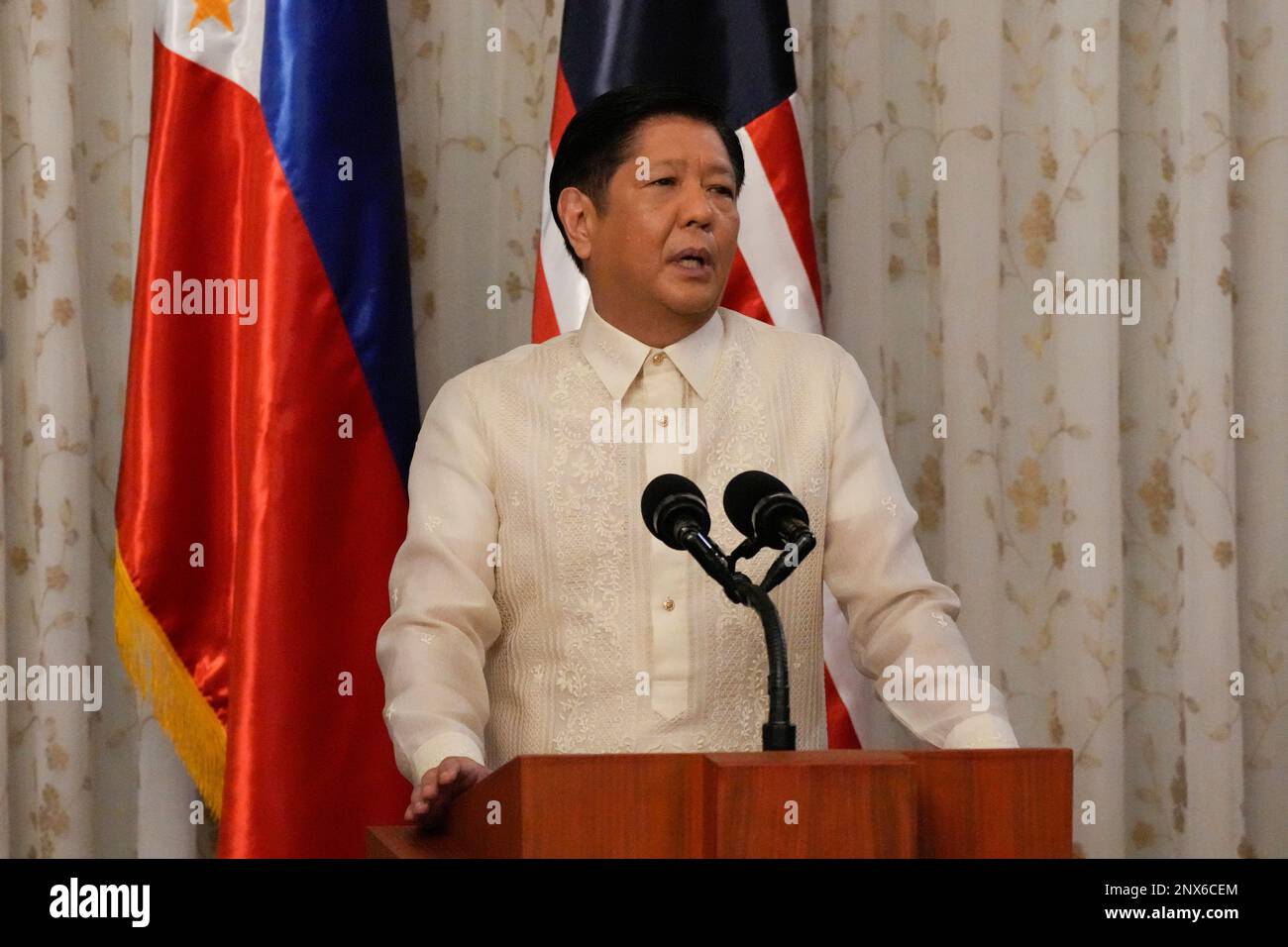
President Ferdinand Marcos Jr. has officially extended an invitation for Russian President Vladimir Putin to visit the Philippines. According to reports from the Asia News Network, this move signals a desire to strengthen bilateral ties between Manila and Moscow. While the Philippines maintains a strong security alliance with the United States, the invitation suggests a pragmatic approach to diversifying diplomatic partners.
The invitation comes during a period of heightened regional diplomacy. The ASEAN-Russia Commemorative Summit serves as the primary backdrop for these interactions. This summit, as detailed by the ASEAN Main Portal, celebrates 35 years of dialogue relations between the Association of Southeast Asian Nations (ASEAN) and the Russian Federation. The event is designed to review past cooperation and set new benchmarks for political, security, and economic engagement.
Analysts note that a visit by Putin to Manila would be a significant diplomatic event. It would mark one of the first times the Russian leader has engaged directly with the current Philippine administration on home soil. The timing is critical, as the Philippines navigates complex territorial disputes in the South China Sea and seeks to maintain a balanced foreign policy that avoids total alignment with a single superpower.
“The invitation reflects a broader ASEAN trend of maintaining open channels of communication with Moscow, regardless of Western sanctions or geopolitical tensions,” according to reports on the regional diplomatic climate.
ASEAN-Russia Relations: 35 Years of Dialogue
The ASEAN Main Portal reports that the Secretary-General of ASEAN participated in the Commemorative Summit to mark three and a half decades of official relations. This milestone is not merely symbolic; it represents a long-term strategic effort by Russia to pivot its influence toward the Asia-Pacific region.
Over the last 35 years, the dialogue has evolved from basic diplomatic recognition to structured cooperation in several key areas:
- Security Cooperation: Joint exercises and intelligence sharing on counter-terrorism.
- Economic Trade: Increasing exports of Russian energy and fertilizers to Southeast Asia.
- Political Dialogue: Regular summits to align views on regional stability and non-interference.
The current summit emphasizes the “Dialogue Partnership,” a status that allows ASEAN and Russia to coordinate on regional security and economic integration. For Russia, ASEAN provides a critical diplomatic alternative to the isolation imposed by Western nations. For ASEAN, Russia represents a source of energy security and a counterweight in the broader geopolitical struggle between the U.S. and China.
Navigating G7 Pressure and the Ukraine Conflict
The diplomatic engagement between Putin and ASEAN leaders is happening under significant scrutiny. The Jakarta Post reports that President Putin has hosted ASEAN leaders even as the G7 continues to apply intense pressure on Russia due to the war in Ukraine.
The G7 nations—including the U.S., UK, Canada, France, Germany, Italy, and Japan—have implemented severe economic sanctions to isolate the Russian economy. However, ASEAN members have generally avoided joining these sanctions. This divergence in policy highlights a fundamental difference in diplomatic philosophy: the G7 focuses on punitive measures to force a cessation of hostilities, while ASEAN adheres to a policy of neutrality and “centrality.”
The Jakarta Post notes that Putin’s ability to host ASEAN leaders suggests that the G7’s strategy of total isolation has not fully penetrated Southeast Asia. ASEAN leaders argue that maintaining a relationship with Russia is essential for regional stability and economic survival. This “middle path” allows these nations to avoid alienating a major global power while still maintaining their security partnerships with the West.
| Entity | Approach to Russia | Primary Objective |
|---|---|---|
| G7 Nations | Sanctions and Isolation | End the war in Ukraine |
| ASEAN | Neutrality and Dialogue | Regional stability and trade |
| Philippines | Balanced Diplomacy | Diversified partnerships |
Economic Ambitions: The $17.8 Billion Trade Target
Diplomacy is closely tied to economics in this relationship. The Jakarta Globe reports that ASEAN nations are pushing for a significant increase in trade with Russia. Specifically, there is a collective ambition for Russian goods trade to exceed $17.8 billion.
This target is driven by several factors. First, Russia is a primary producer of wheat, fertilizers, and energy—commodities that are essential for the food security and industrial growth of Southeast Asian nations. Second, as Russia seeks new markets for its exports due to the loss of European buyers, ASEAN presents a lucrative opportunity.
The push for $17.8 billion in trade includes several priority sectors:
- Agriculture: Importing Russian grains to stabilize local food prices.
- Energy: Securing long-term oil and gas contracts to power growing urban centers.
- Technology: Cooperation in aerospace and nuclear energy for civilian use.
The Jakarta Globe suggests that achieving this figure would require streamlining customs procedures and establishing more direct financial channels to bypass some of the hurdles created by international sanctions on Russian banks.
Energy Cooperation: Malaysia and Tatarstan
A concrete example of this expanding economic cooperation is found in the relationship between Malaysia and the Republic of Tatarstan, a federal subject of Russia. According to mediaselangor.com, the two entities are exploring deep cooperation in the energy sector.
Tatarstan is a powerhouse of Russian industry, particularly in oil refining and petrochemicals. Malaysia, with its own established energy sector, views Tatarstan as a strategic partner for technology transfer and joint ventures. The focus of these discussions includes:
- Petrochemical Innovation: Developing new methods for refining and processing hydrocarbons.
- Energy Infrastructure: Sharing expertise in the construction and maintenance of energy pipelines and plants.
- Renewable Transition: Exploring how traditional energy giants can pivot toward sustainable alternatives.
This sub-national level of diplomacy—between a Malaysian state or federal body and a Russian republic—allows for more targeted economic gains without the same level of political visibility as a head-of-state meeting. It provides a “quiet” channel for economic growth while the broader geopolitical tensions remain high.
The Strategic Balance for the Philippines
For President Marcos Jr., inviting Vladimir Putin to Manila is a calculated move. The Philippines is currently in a delicate position. It has strengthened its military ties with the U.S. to deter aggression in the West Philippine Sea, but it cannot afford to completely shut out other global powers.
By inviting Putin, Marcos signals that the Philippines is not a proxy for any single power. This approach, often described as “independent foreign policy,” aims to maximize the benefits of all partnerships. If Putin visits, it could open doors for trade agreements, agricultural imports, and perhaps even security cooperation that does not conflict with U.S. interests.
However, this move is not without risk. The U.S. government closely monitors the diplomatic activities of its treaty allies. Any perceived shift toward Russia could lead to friction in Washington. The challenge for the Marcos administration is to ensure that an invitation to Putin is viewed as a gesture of diplomatic openness rather than a strategic pivot away from the West.
related explainer on [Philippine Foreign Policy Trends]
Key Drivers of the Marcos-Putin Outreach
- Diversification: Reducing reliance on a few key trading partners.
- Food Security: Accessing Russian fertilizers and grains.
- Diplomatic Leverage: Showing the U.S. and China that Manila has other global options.
- ASEAN Solidarity: Aligning with the broader regional trend of Russia-ASEAN engagement.
Common Misconceptions About ASEAN-Russia Ties
There is a common belief that ASEAN’s engagement with Russia is a sign of support for the invasion of Ukraine. This is an oversimplification. Most ASEAN nations have called for the cessation of violence and the respect of sovereignty in various forums, including the UN. Their continued trade and diplomatic ties are not an endorsement of Russian military action, but a reflection of national interest.
Another misconception is that these ties are purely economic. While trade is a massive driver, the security dimension is also important. Russia has historically provided military hardware to several Southeast Asian nations, and maintaining these relationships is necessary for the upkeep and modernization of that equipment.
Finally, some assume that an invitation from President Marcos is a guarantee of a visit. In diplomacy, invitations are often symbolic. Whether Putin actually travels to Manila depends on his own security concerns, the current state of the war in Ukraine, and the potential for international backlash.
Comparing Regional Responses to Russia
The way different Southeast Asian nations handle Russia varies based on their specific needs. While the Philippines uses invitations to signal balance, other nations use specific sectoral deals.
Malaysia’s focus on Tatarstan is a targeted industrial approach. In contrast, the broader ASEAN goal of $17.8 billion in trade is a collective economic strategy. The Philippines’ move is more overtly diplomatic, focusing on head-of-state interaction.
This fragmented but generally friendly approach allows ASEAN as a whole to maintain a “buffer” against the polarities of the U.S.-China-Russia triangle. By not acting as a monolith in their sanctions policy, ASEAN nations preserve their own agency.
Frequently Asked Questions
Why did President Marcos invite Vladimir Putin to Manila?
According to the Asia News Network, the invitation is part of a broader effort to strengthen bilateral ties and diversify the Philippines’ diplomatic and economic partnerships. It aligns with the current ASEAN-Russia Commemorative Summit marking 35 years of relations.
Does this invitation mean the Philippines supports Russia’s actions in Ukraine?
No. The invitation is a diplomatic gesture. ASEAN nations generally maintain a policy of neutrality, focusing on regional stability and economic interests rather than joining Western sanctions or endorsing specific military actions.

What is the trade goal for ASEAN and Russia?
The Jakarta Globe reports that ASEAN aims to increase the trade of Russian goods to exceed $17.8 billion, focusing heavily on energy, agriculture, and fertilizers.
How does the G7 view ASEAN’s relationship with Russia?
The Jakarta Post indicates that the G7 has applied pressure on Russia to isolate it from the global economy. However, ASEAN nations have largely resisted these pressures to protect their own food and energy security.
What is the significance of the Malaysia-Tatarstan energy cooperation?
As reported by mediaselangor.com, this cooperation focuses on petrochemicals and energy infrastructure, demonstrating how sub-national entities within Russia and ASEAN are pursuing specific industrial gains.
The trajectory of Philippines-Russia relations will likely depend on the outcome of the ongoing conflict in Ukraine and the ability of President Marcos to balance his security commitments to the United States with his economic aspirations in Eurasia. As the 35th anniversary of ASEAN-Russia dialogue concludes, the focus shifts from commemorative events to the actual implementation of trade targets and the possibility of a historic presidential visit to Manila.
