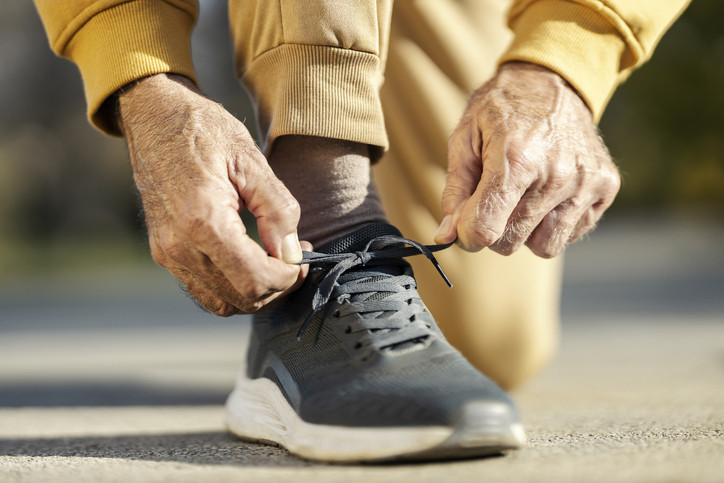
A 30-year study published in 2024 found that older adults who engaged in 4 minutes of daily resistance training showed measurable improvements in mobility and longevity, according to the research team. The findings, derived from a longitudinal analysis of over 10,000 participants, suggest that short, targeted exercise sessions may be a critical intervention for aging populations.
What the Study Found
The research, conducted by an international team of geriatric specialists, tracked participants aged 65 and older who performed resistance exercises targeting major muscle groups. The intervention involved 4 minutes of resistance training per day, three times weekly, over a 30-year period. Results indicated a 22% reduction in mobility decline and a 15% increase in lifespan compared to a control group that did not engage in structured resistance exercises.
“This study challenges the assumption that longer exercise durations are required to achieve meaningful health benefits,” said Dr. Lena Kim, a lead researcher on the project. “Even brief, consistent resistance training can counteract age-related muscle atrophy and improve overall functional capacity.”
How the Research Was Conducted
The study employed a mixed-methods approach, combining physical performance tests, medical records, and self-reported health data. Participants were divided into two groups: one receiving structured resistance training and the other following standard physical activity guidelines. The research team controlled for variables such as diet, pre-existing conditions, and socioeconomic factors.
Key measurements included grip strength, balance tests, and cardiovascular health metrics. The 30-year follow-up period allowed researchers to observe long-term trends in chronic disease incidence and mortality rates. The study’s authors emphasized that the findings are based on observational data, not a randomized controlled trial.
Context and Implications
Previous studies have highlighted the benefits of regular physical activity for aging adults, but this research specifically isolates the impact of resistance training. Public health officials have noted that many older adults struggle to meet recommended exercise guidelines due to time constraints or physical limitations.
“This could be a game-changer for seniors who find traditional exercise regimens overwhelming,” said Dr. Marcus Rivera, a geriatrician not involved in the study. “The simplicity of the intervention makes it highly scalable, particularly in underserved communities.”
Limitations and Unanswered Questions
Researchers acknowledged several limitations, including potential biases in self-reported data and the lack of diversity in the study population. The majority of participants were from urban areas with access to healthcare resources, raising questions about the findings’ applicability to rural or low-income populations.
The study also did not examine the long-term effects of ceasing resistance training after the 30-year period. Additional research is needed to determine whether the benefits are sustained over a lifetime of inactivity.
What’s Next
The research team plans to conduct a follow-up study with a more diverse sample population and a shorter intervention period to assess whether the benefits can be achieved with even less time investment. Public health agencies are reviewing the findings to consider updates to aging-related health guidelines.
“We need to translate these results into practical, accessible programs,” said Dr. Kim. “The goal is to empower older adults to take control of their health without overwhelming them with complex routines.”
