
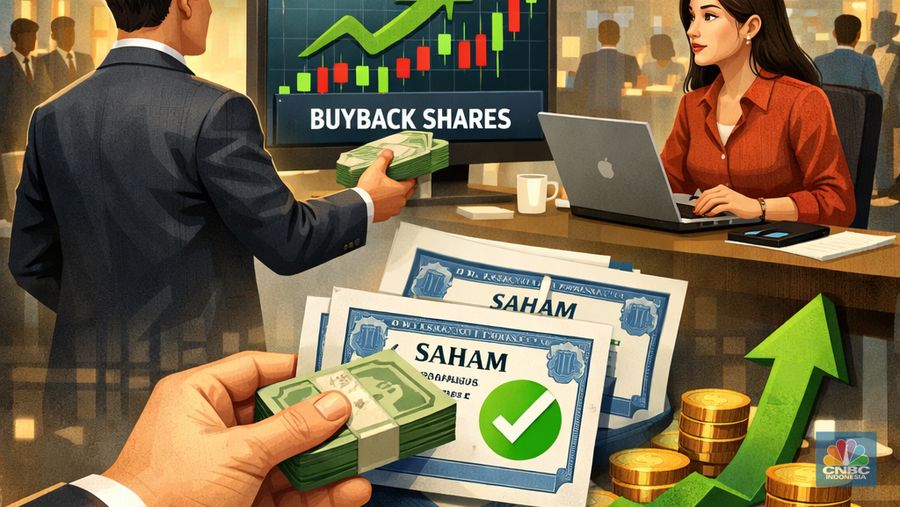
GOTO, Indonesia’s ride-hailing and logistics unicorn, has announced a share buyback program worth 3.5 trillion rupiah ($220 million), marking a strategic shift after months of stagnant stock performance. The move comes as the company’s free-float market share has declined sharply, reflecting broader investor sentiment around Indonesia’s tech-driven startups.
Why the buyback matters
The buyback—one of the largest by value in Indonesia’s tech sector—signals GOTO’s attempt to stabilize its stock price and shore up confidence among retail investors who have been hesitant to hold shares since the company’s initial public offering in 2021. According to local media reports, GOTO’s stock has remained flat at its 200 rupiah listing price for over a month, a rare occurrence for a high-growth tech company in Southeast Asia. The buyback could also help counter recent declines in free-float shares, which have dropped as institutional investors reduce exposure.
Who stands to benefit—and who might lose?
Analysts say the buyback primarily benefits existing shareholders, particularly retail investors who may see a modest uptick in share value as supply tightens. However, the move could dilute earnings per share in the short term, according to a regulatory filing reviewed by detikFinance. Meanwhile, large shareholders like Rafly Umarsyah—who holds a reported 15 trillion rupiah stake—may face pressure to sell, though no immediate plans have been announced.
GOTO’s decision also contrasts with other Indonesian tech firms like BUKA, whose free-float shares have risen alongside increased institutional buying. The divergence highlights how investor appetite varies even among Indonesia’s most prominent digital economy players.
What’s next for GOTO’s stock and strategy?
GOTO has not disclosed a timeline for the buyback execution, but industry observers expect the process to unfold over several months. The company’s next critical move will likely involve transparency around its financial health, particularly as it navigates a slowing Southeast Asian ride-hailing market. In the interim, the buyback could serve as a confidence booster—but only if paired with stronger revenue growth or cost-cutting measures.
For now, the focus remains on whether the 3.5 trillion rupiah program will reverse the stock’s stagnation or simply delay broader market reassessment of GOTO’s long-term prospects.
