Study Reveals Plants’ Mechanism for Directing Energy to Injured Tissues – Xinhua
Researchers have identified the biological process plants use to prioritize and reroute energy to damaged areas to accelerate tissue repair, according to reports from Xinhua, Phys.org, and Bioengineer.org. This mechanism involves an active redistribution of nutrients and sugars, effectively transforming the injured site into a primary “energy sink” to facilitate rapid healing and defense.
How do plants redirect energy to heal wounds?
Plants do not possess a central nervous system, yet they exhibit a sophisticated response to physical trauma. According to reports from Xinhua and Phys.org, plants utilize a specialized transport system to shift metabolic resources—primarily sugars produced during photosynthesis—away from growth zones and toward the site of injury. This process ensures that the energy required for cellular regeneration and the production of defensive compounds is available exactly where the plant is most vulnerable.
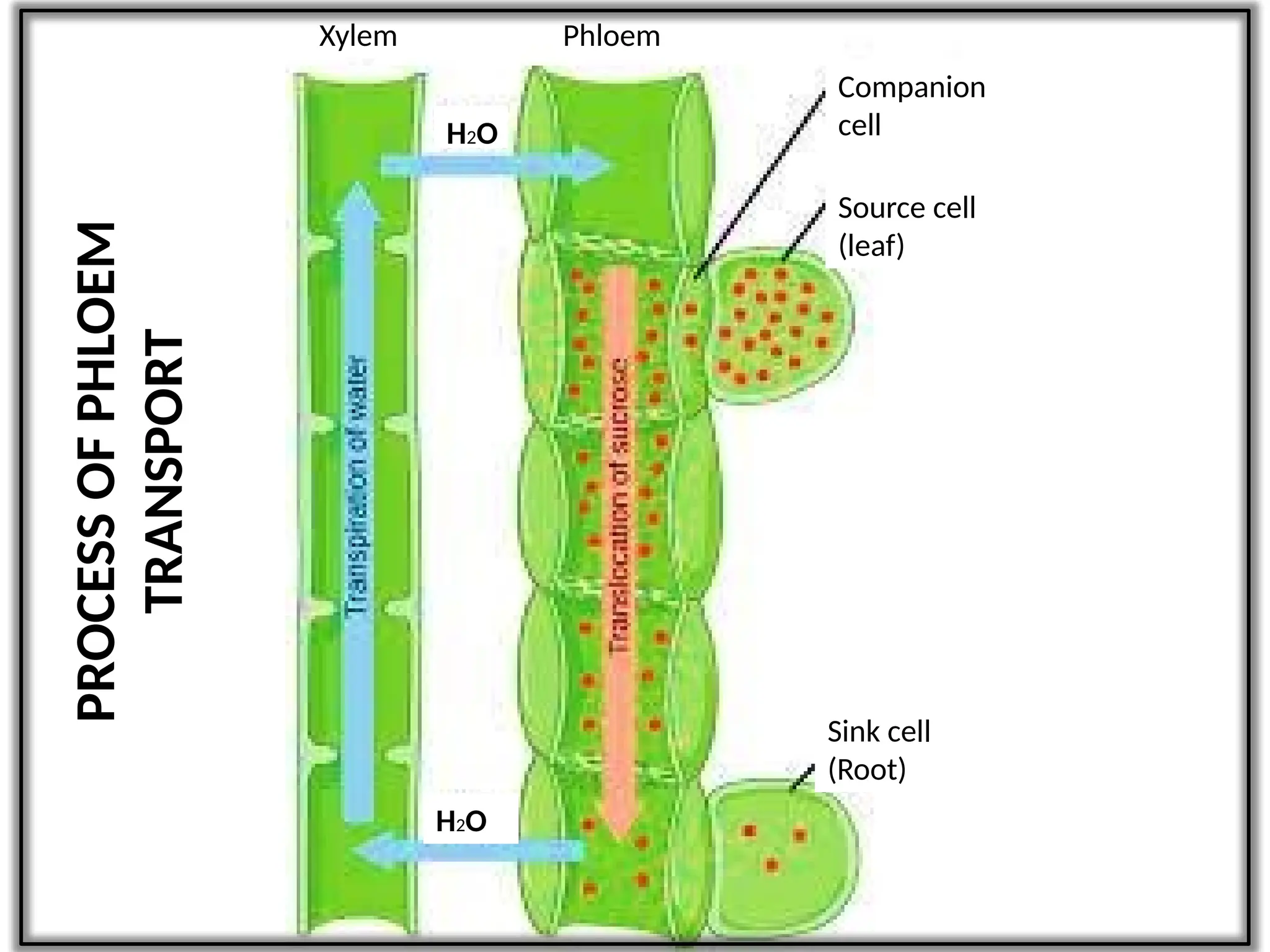
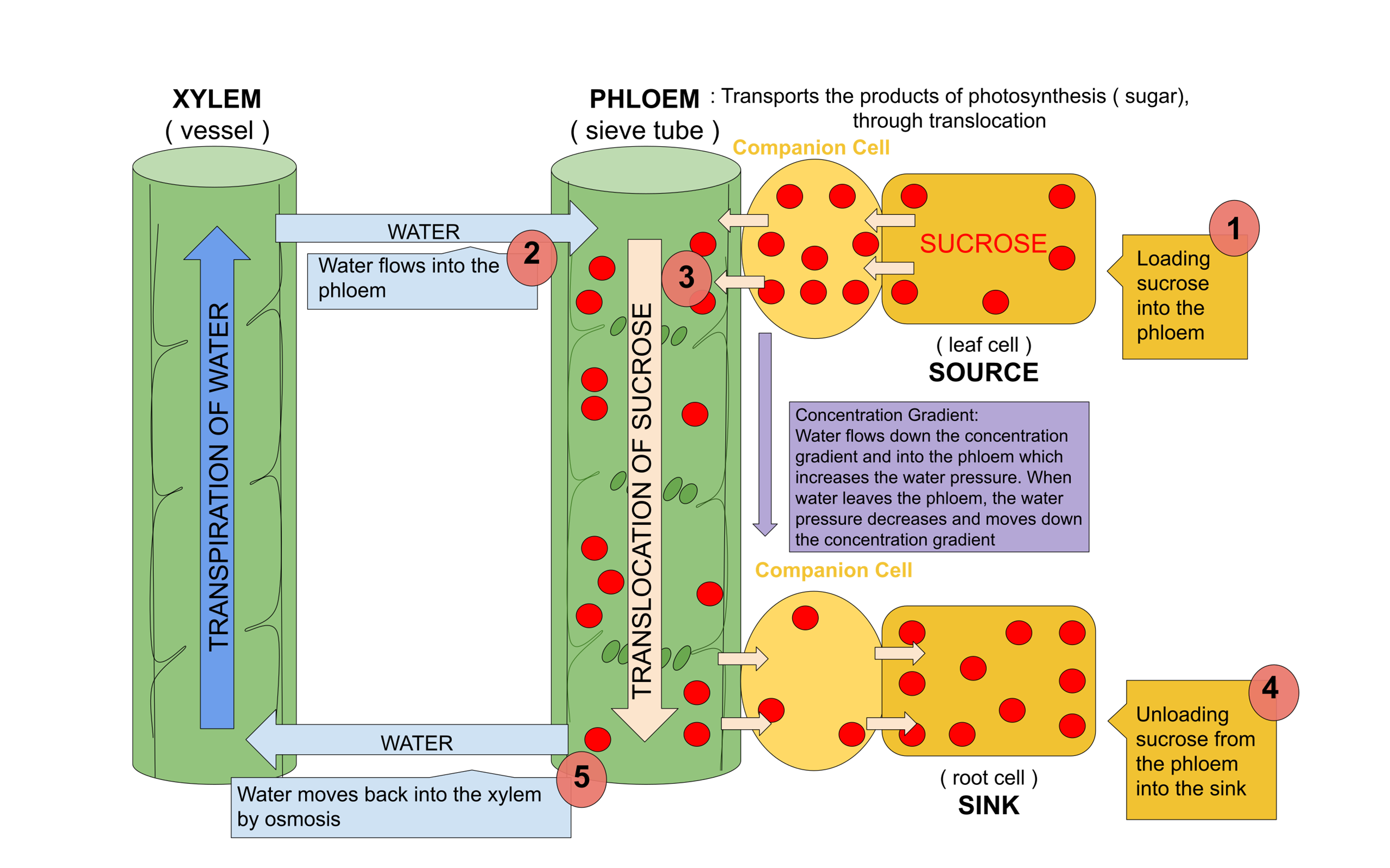
The redirection is managed through the plant’s vascular system, specifically the phloem. In a healthy plant, sugars move from “sources” (like mature leaves) to “sinks” (like roots, fruits, or new buds). When a plant is injured, the wounded tissue sends chemical signals that override the standard distribution pattern. As noted by Bioengineer.org, the injury site becomes a dominant sink, pulling resources from the rest of the organism to fuel the repair process.
This mechanism is not a passive leak of nutrients. Instead, it is a regulated physiological shift. The plant actively modifies the permeability of its transport tissues and alters the expression of sugar-transporter proteins to ensure a steady stream of carbon and energy reaches the damaged cells. This allows the plant to seal wounds, prevent pathogen entry, and regenerate lost tissue more efficiently than if it relied on local energy stores alone.
The ability of a plant to dynamically reallocate its energy budget in response to trauma is a critical survival strategy, allowing it to maintain structural integrity and defend against opportunistic infections.
What are the biological components of the plant repair mechanism?
The process of directing energy to injured tissues involves several intersecting biological systems. According to the research detailed by Xinhua and Phys.org, the response can be broken down into three primary phases: signaling, transport, and synthesis.
The Signaling Phase
The moment a plant tissue is breached, a rapid signaling cascade begins. This involves electrical signals and the release of volatile organic compounds and hormones. These signals alert distant parts of the plant that a breach has occurred. According to Bioengineer.org, these chemical messengers act as a “distress call,” triggering the metabolic shift in the source leaves to increase the export of photoassimilates.
The Transport Phase
Once the signal is received, the plant alters the pressure gradients within its phloem. Phloem transport operates on a pressure-flow hypothesis, where sugars move from areas of high concentration to low concentration. By rapidly consuming sugars at the wound site to fuel repair, the plant creates a steep concentration gradient. This “vacuum effect” draws sucrose and other nutrients from healthy tissues toward the injury.
The Synthesis Phase
Upon reaching the injured tissue, the redirected energy is converted into building blocks for repair. This includes the synthesis of lignin to seal the wound and the production of callose, a carbohydrate that plugs the phloem to prevent further nutrient loss or the spread of systemic pathogens. The energy is also used to produce secondary metabolites, such as tannins or alkaloids, which act as chemical deterrents against insects and fungi.
| Stage of Response | Primary Action | Key Resource/Mechanism |
|---|---|---|
| Signaling | Detection of injury and systemic alert | Hormones and electrical impulses |
| Transport | Rerouting of sugars and nutrients | Phloem pressure gradients |
| Synthesis | Tissue regeneration and sealing | Lignin, Callose, and Secondary Metabolites |
Why is this discovery significant for global agriculture?
Understanding how plants prioritize energy during injury has immediate implications for food security and crop management. According to reports from Phys.org and Bioengineer.org, the ability to manipulate these energy-routing pathways could lead to the development of “climate-resilient” crops.
Agricultural crops are constantly subjected to injuries from wind, hail, insect pests, and mechanical harvesting. Each injury represents a loss of energy and a potential entry point for disease. If scientists can enhance the efficiency of the energy-redirection mechanism, they could potentially create crop varieties that heal faster and lose less yield to environmental stress.
- Reducing Crop Loss: By accelerating the sealing of wounds, plants can reduce the amount of water and nutrients lost to the environment.
- Enhancing Pest Resistance: Faster energy delivery to the wound site allows for a quicker buildup of chemical defenses, making the plant less attractive or more toxic to pests.
- Improving Recovery After Extreme Weather: In regions prone to storms, crops that can rapidly reroute energy to broken stems or torn leaves are more likely to survive and reach maturity.
Furthermore, this research provides a blueprint for bioengineering. By identifying the specific proteins and genes responsible for the “sink” transition at injury sites, researchers may be able to optimize these pathways through selective breeding or genetic editing, ensuring that plants maintain high productivity even under stressful conditions.
For a deeper look at how this fits into broader agricultural trends, see a related explainer on precision agriculture and crop resilience.
How does this mechanism differ from previous scientific understandings?
For years, the general understanding of plant wound response was centered on localized reactions. It was believed that the cells immediately surrounding a wound reacted based on the resources they had on hand. However, the findings reported by Xinhua and Bioengineer.org highlight a systemic, organism-wide coordination.
The primary difference lies in the distinction between passive and active responses. A passive response would involve nutrients simply leaking toward a wound or the wound using whatever sugar was already present in the local tissue. The newly revealed mechanism is an active, coordinated effort where the plant “decides” to sacrifice growth in one area (such as a developing leaf) to ensure survival in another (the injured stem).
This discovery shifts the perspective of the plant from a collection of semi-autonomous modules to a highly integrated system capable of strategic resource management. This level of coordination is more reminiscent of the circulatory responses found in animals than previously attributed to the plant kingdom.
What are the potential risks and misconceptions about plant healing?
One common misconception is that plants “feel” pain or possess a conscious desire to heal. As noted in the scientific context provided by Phys.org, these responses are biochemical and electrical, not sentient. The redirection of energy is a result of evolved genetic programming and chemical gradients, not a cognitive choice.
Another misconception is that more energy directed to a wound always equals a better outcome. In some cases, an overactive energy response can lead to “hypertrophy” or abnormal growths (like galls), where the plant continues to pump resources into a site long after the wound has sealed. This can actually drain the plant of the energy needed for fruit or seed production, potentially lowering the overall yield.
Additionally, there is the risk of “pathogen hijacking.” Some sophisticated plant pathogens have evolved to mimic the chemical signals of an injury. By tricking the plant into thinking a tissue is damaged, these pathogens can force the plant to redirect nutrient-rich sugars toward the infected area, essentially feeding the parasite with the plant’s own energy reserves.
Who are the primary stakeholders affected by this research?
The implications of this study extend across several sectors of science and industry. According to the reporting from Xinhua and Bioengineer.org, the following groups are most impacted:
Plant Physiologists and Botanists
For researchers, this provides a new framework for studying plant communication. The discovery of the systemic energy-rerouting mechanism opens doors to studying how plants manage “trade-offs”—the biological decision to prioritize survival over growth.
Agricultural Biotechnology Companies
Companies focusing on seed technology and crop enhancement can use this data to develop traits that improve “recovery speed.” This is particularly valuable for high-value specialty crops that are susceptible to physical damage during transport or growth.
Environmental Conservationists
Understanding these mechanisms helps in the conservation of endangered plant species. By knowing how a species manages injury, conservationists can better predict which plants will survive in degraded habitats or those facing increased pressure from invasive herbivores.
For more information on the intersection of biology and technology, consider a related explainer on CRISPR and plant genome editing.
Frequently Asked Questions
Do all plants use the same energy-redirection mechanism?
While the fundamental use of phloem for nutrient transport is common across most vascular plants, the efficiency and specific signaling molecules vary between species. According to reports from Phys.org, some plants may have more aggressive rerouting mechanisms than others depending on their evolutionary environment.
Can this mechanism be triggered artificially to help plants grow?
While triggering the mechanism might help a plant heal a specific wound, doing so without an actual injury could be detrimental. Because the plant diverts energy away from growth and reproduction to fuel the repair process, artificial triggering could lead to stunted growth or reduced crop yields.
How does this differ from how animals heal?
Animals use a circulatory system driven by a heart to pump blood and immune cells to a wound. Plants rely on osmotic pressure and concentration gradients within their phloem and xylem. While both systems reroute resources, the plant’s system is slower and relies more heavily on the redistribution of sugars than the transport of specialized mobile cells like leukocytes.
Does the weather affect how plants direct energy to injuries?
Yes. Since the energy being rerouted is primarily the product of photosynthesis, factors like sunlight, temperature, and water availability directly impact the “budget” available for repair. According to Bioengineer.org, plants in low-light conditions may struggle to redirect enough energy to seal wounds, leaving them more susceptible to infection.
Could this lead to “immortal” or “self-healing” crops?
While “immortal” is an overstatement, the research points toward crops with significantly enhanced regenerative capabilities. The goal is not to eliminate death or damage but to minimize the time a plant remains vulnerable and to reduce the energy cost of recovery.
Future directions in plant energy research
The identification of this energy-routing mechanism is a starting point for more granular research. Scientists are now looking to identify the exact “transporter proteins” that act as the gates for these sugars. If the specific protein can be isolated, it may be possible to create a “switch” that can be activated to protect crops during predicted periods of high stress, such as hurricane season or peak pest migrations.
Moreover, there is growing interest in how this mechanism interacts with the plant’s microbiome. Some soil bacteria and fungi are known to assist plants in nutrient uptake; researchers are investigating whether these symbiotic relationships can enhance the plant’s ability to reroute energy during a crisis.
As the global climate becomes more volatile, the ability to understand and optimize the internal logistics of plant survival will be a cornerstone of sustainable agriculture. The shift from observing that plants heal to understanding how they strategically manage their energy budgets marks a significant leap in botanical science.
