
Defence Closes Case in Jeffrey Donaldson Sex Offences Trial With No Further Witnesses Called
The defence team for Sir Jeffrey Donaldson has officially closed its case in his sex offences trial without calling additional witnesses, according to reports from the BBC, The Irish Times, and RTE. This procedural move signals the end of the defence’s presentation of evidence, moving the court closer to closing arguments and a final verdict.
What happened during the closure of the defence case?
In a recent court session, legal representatives for Sir Jeffrey Donaldson informed the judge that the defence had no further witnesses to call. This decision means the defence will not present additional testimony or evidence to counter the prosecution’s claims. As reported by The Journal and the BBC, this is a critical juncture in the trial, as it limits the evidence the jury will consider before deliberations begin.
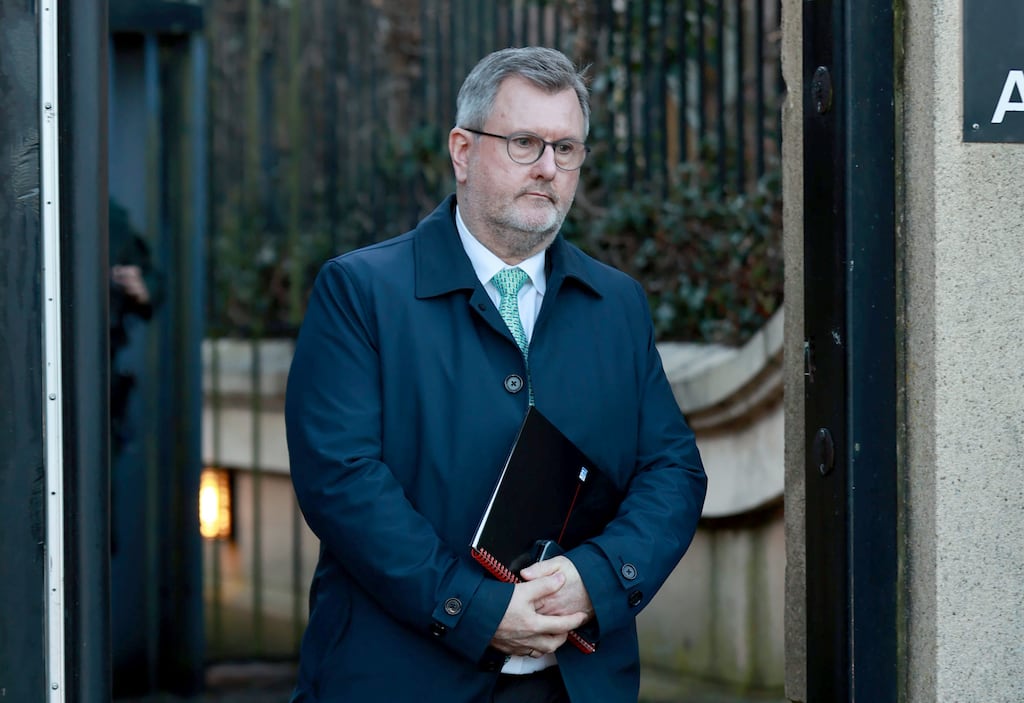
The closure of the case follows the presentation of evidence by the prosecution and any initial defence submissions. By calling no further witnesses, the defence is effectively relying on the existing record and the argument that the prosecution has not met the required burden of proof. According to the Belfast Telegraph, Donaldson continued to attend the proceedings as the trial reached this stage.
Legal observers note that the decision to call no witnesses is a strategic choice. It prevents the defendant or other witnesses from being subjected to further cross-examination by the prosecution, which could potentially introduce new risks or contradictions into the trial record.
Who is Sir Jeffrey Donaldson and why is this trial significant?
Sir Jeffrey Donaldson is a prominent Northern Irish politician and the former leader of the Democratic Unionist Party (DUP). His position as one of the most influential figures in unionist politics makes this trial a matter of significant public and political interest. The charges involve allegations of sex offences, which the defence has contested.
The significance of the trial extends beyond the individual, touching on several broader themes in Northern Irish society and politics:
- Political Leadership: As a former leader of the DUP, Donaldson’s legal battles have had a direct impact on the party’s internal stability and its public image.
- Judicial Precedent: The trial tests the legal system’s ability to handle high-profile allegations involving senior political figures.
- Societal Shift: The proceedings reflect a broader trend in the UK and Ireland where historical and contemporary allegations of abuse are being brought to court regardless of the status of the accused.
According to reporting by RTE and the BBC, the trial has been closely monitored by both political analysts and the general public, given Donaldson’s role in shaping the Northern Ireland peace process and his leadership within the DUP.
Timeline of the Jeffrey Donaldson Trial Proceedings
The path to the closure of the defence case involved several months of legal maneuvering and evidence presentation. The following table outlines the general progression of the case based on reports from the BBC and The Irish Times.

| Trial Phase | Key Activity | Outcome/Status |
|---|---|---|
| Initial Charges | Allegations of sex offences brought forward. | Legal proceedings initiated. |
| Prosecution Case | Witnesses called; evidence and testimonies presented. | Case for the prosecution completed. |
| Defence Presentation | Legal arguments made on behalf of Sir Jeffrey Donaldson. | Defence strategy established. |
| Closing of Defence Case | Decision made to call no further witnesses. | Evidence phase concluded. |
| Closing Arguments | Final summaries by prosecution and defence. | Pending. |
Why did the defence choose to call no further witnesses?
The decision to close a case without calling witnesses is a recognized legal strategy. According to legal analysts cited in various reports, this approach is often used when the defence believes the prosecution’s case is fundamentally flawed or lacks sufficient evidence to prove guilt beyond a reasonable doubt.
By not calling witnesses, the defence avoids the following risks:
- Cross-Examination: Any witness called by the defence is subject to rigorous questioning by the prosecution. If a witness provides inconsistent testimony, it could inadvertently strengthen the prosecution’s case.
- Introducing New Evidence: Calling witnesses can sometimes open the door to new lines of inquiry or evidence that the prosecution can then use to their advantage.
- The Burden of Proof: In criminal law, the burden of proof rests entirely with the prosecution. The defence is not required to “prove” innocence; they only need to demonstrate that the prosecution’s evidence is insufficient for a conviction.
As reported by The Irish Times, this strategy places the focus squarely on the strengths and weaknesses of the evidence already presented by the prosecution. The jury must now decide if the evidence provided by the state is enough to secure a conviction without the defence offering a counter-narrative through witness testimony.
Comparing media coverage of the trial’s progress
Different news outlets have framed the developments in the Donaldson trial with varying degrees of focus. A comparison of the reporting shows a consistent set of facts but different journalistic priorities.
The BBC and RTE have focused heavily on the procedural aspects of the trial, providing detailed updates on the legal status of the case and the specific terminology of the court’s movements. Their reporting emphasizes the “what” and “how” of the judicial process.
In contrast, the Belfast Telegraph has provided more on-the-ground detail, focusing on the physical presence of Sir Jeffrey Donaldson at the court and the atmosphere surrounding the trial. This adds a layer of human interest and local context to the reporting.
The Journal and The Irish Times have balanced the procedural updates with broader context, linking the trial to the political implications for the DUP and the wider Northern Irish political landscape. They provide a “why it matters” angle that connects the courtroom events to the political sphere.
“The decision to close the case without further witnesses is a definitive move that shifts the trial’s momentum toward the final deliberations.”
The legal implications of closing the defence case
When the defence closes its case, the trial enters its final stages. This transition has several immediate legal implications. First, the evidence pool is now frozen. No new witnesses can be called, and no new documents can be introduced unless the judge grants a rare exception based on newly discovered, critical evidence.
The next phase involves closing speeches. The prosecution will summarize their evidence, highlighting the testimonies and physical evidence they believe prove the charges. The defence will then provide a closing argument, likely focusing on the gaps in the prosecution’s case and the principle of reasonable doubt.
According to reports from the BBC, the judge will then provide a “direction” to the jury. This is a set of instructions explaining the law as it applies to the specific charges and how the jury should weigh the evidence. The jury will then retire to consider their verdict in private.
Key legal concepts involved in this phase:
- Reasonable Doubt: The standard by which a criminal conviction is decided. If the jury has a reasonable doubt about the defendant’s guilt, they must acquit.
- Burden of Proof: The obligation of the prosecution to prove the defendant’s guilt.
- Closing Arguments: The final opportunity for lawyers to persuade the jury of their version of the facts.
Political fallout and the DUP’s position
The trial of Sir Jeffrey Donaldson has created a complex situation for the Democratic Unionist Party. As a former leader, Donaldson’s legal status has forced the party to navigate a difficult balance between supporting a former colleague and maintaining public trust in the face of serious allegations.
Reports from The Irish Times indicate that the DUP has had to manage internal divisions and external pressure as the trial progressed. The party’s leadership has generally maintained a position of respecting the judicial process, but the nature of the charges has made the situation an ongoing political liability.
The outcome of the trial is expected to have lasting effects on the party’s trajectory. A conviction would likely lead to a complete severance of ties and a period of introspection regarding the party’s vetting and leadership processes. An acquittal would remove a significant cloud over the party’s reputation, though the political damage from the allegations themselves may persist.
For more information on the political climate in Northern Ireland, you may find a related explainer on the DUP’s leadership structure useful.
Common misconceptions about the “no witness” strategy
There is often a public perception that if a defendant does not testify or call witnesses, it is an admission of guilt. However, legal experts and reports from outlets like the BBC clarify that this is not the case.
Misconception: “If he were innocent, he would want to tell his side of the story in court.”
Reality: The legal system does not require a defendant to prove their innocence. In many cases, testifying is seen as a risk because the prosecution’s cross-examination can be used to create contradictions that didn’t exist in the prosecution’s original evidence.
Misconception: “Closing the case without witnesses means the defence has given up.”
Reality: It is a calculated tactical decision. The defence is betting that the prosecution’s case is weak enough that no further evidence from the defence is needed to secure an acquittal.
Misconception: “The jury will view the lack of witnesses as a sign of guilt.”
Reality: Judges specifically instruct juries that a defendant’s decision not to testify or call witnesses cannot be used as evidence of guilt.
What to expect in the coming days of the trial
With the defence case closed, the trial moves into its final, most condensed phase. The court will likely schedule the closing arguments for the immediate future. These summaries are designed to distill weeks or months of testimony into a coherent narrative for the jury.
According to the procedural flow reported by RTE and the BBC, the following sequence is expected:
- Prosecution Closing Statement: A summary of the evidence and a request for a guilty verdict.
- Defence Closing Statement: An argument highlighting the failures of the prosecution’s case and a request for an acquittal.
- Judge’s Summing Up: The judge explains the legal framework and the specific points the jury must consider.
- Jury Deliberation: The jury meets in private to reach a unanimous or majority decision.
- The Verdict: The jury returns to court to announce whether the defendant is guilty or not guilty.
The tension surrounding the trial remains high, as the verdict will not only determine the fate of Sir Jeffrey Donaldson but will also provide a resolution to a period of intense political and social instability within the unionist community.
Frequently Asked Questions
What does it mean when the defence closes its case?
When the defence closes its case, it means they have finished presenting all the evidence and calling all the witnesses they intend to use to support their version of events. No further evidence can be introduced unless the court allows a specific exception.
Why did Sir Jeffrey Donaldson’s defence call no further witnesses?
According to reports from the BBC and The Irish Times, this is a legal strategy. The defence may believe that the prosecution’s evidence is insufficient to prove guilt beyond a reasonable doubt and that calling witnesses would only create unnecessary risks during cross-examination.

Will the jury be told that the defence called no witnesses?
Yes, the jury is aware of who has testified. However, the judge will instruct the jury that the defendant’s decision not to call witnesses or testify himself cannot be interpreted as an admission of guilt.
What happens after the defence closes its case?
The trial moves to closing arguments, where both the prosecution and defence summarize their cases. Following this, the judge provides legal instructions to the jury, who then deliberate to reach a verdict.
How does this trial affect the DUP?
As reported by The Irish Times, the trial of a former leader has placed the DUP under significant scrutiny. The outcome will likely impact the party’s reputation and its internal leadership dynamics moving forward.
For further context on the legal standards used in these proceedings, you may wish to read a related explainer on the burden of proof in UK criminal law.
