PM Announces Stricter Social Media Rules to Address Youth Concerns, Citing Systemic Failures
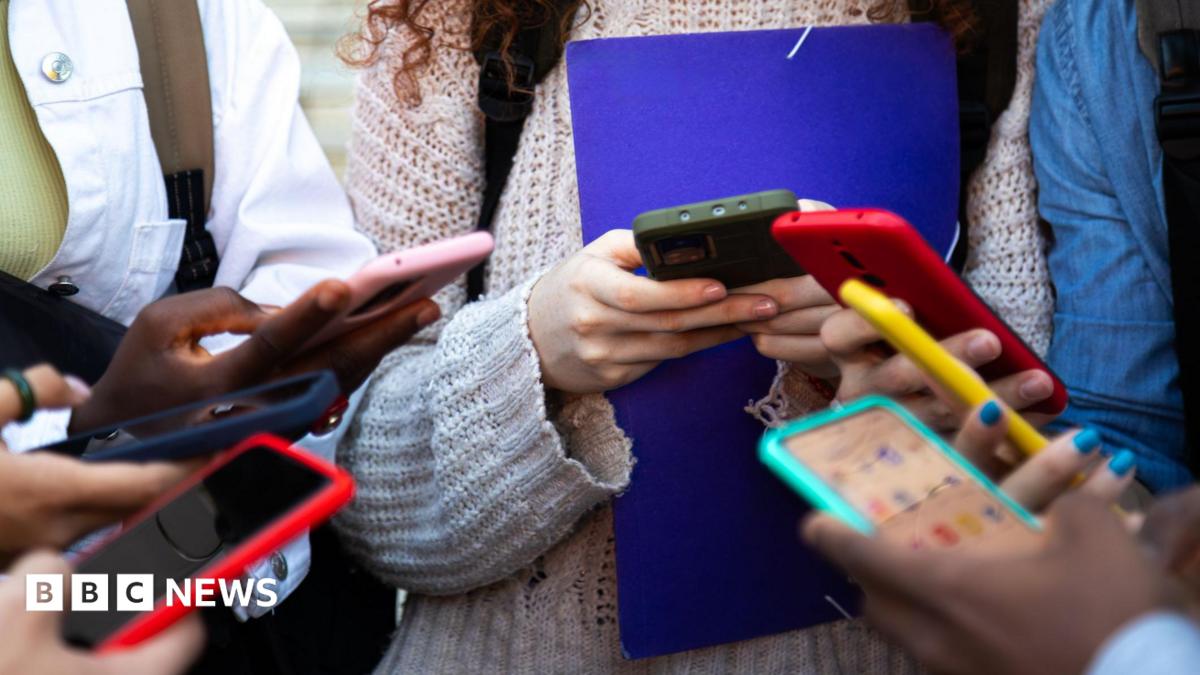
The prime minister has unveiled a series of new social media restrictions aimed at curbing the influence of digital platforms on minors, stating that the current system has failed to protect young users. The measures, which include a ban on social media access for under-16s, are part of a broader effort to address growing concerns over mental health, online safety, and the impact of digital culture on children.
According to official statements, the policy mirrors regulations seen in other countries, with additional safeguards to ensure compliance. The announcement comes amid mounting pressure from parents, educators, and health professionals who have long warned about the risks of unregulated online activity among teenagers.
What the New Restrictions Entail
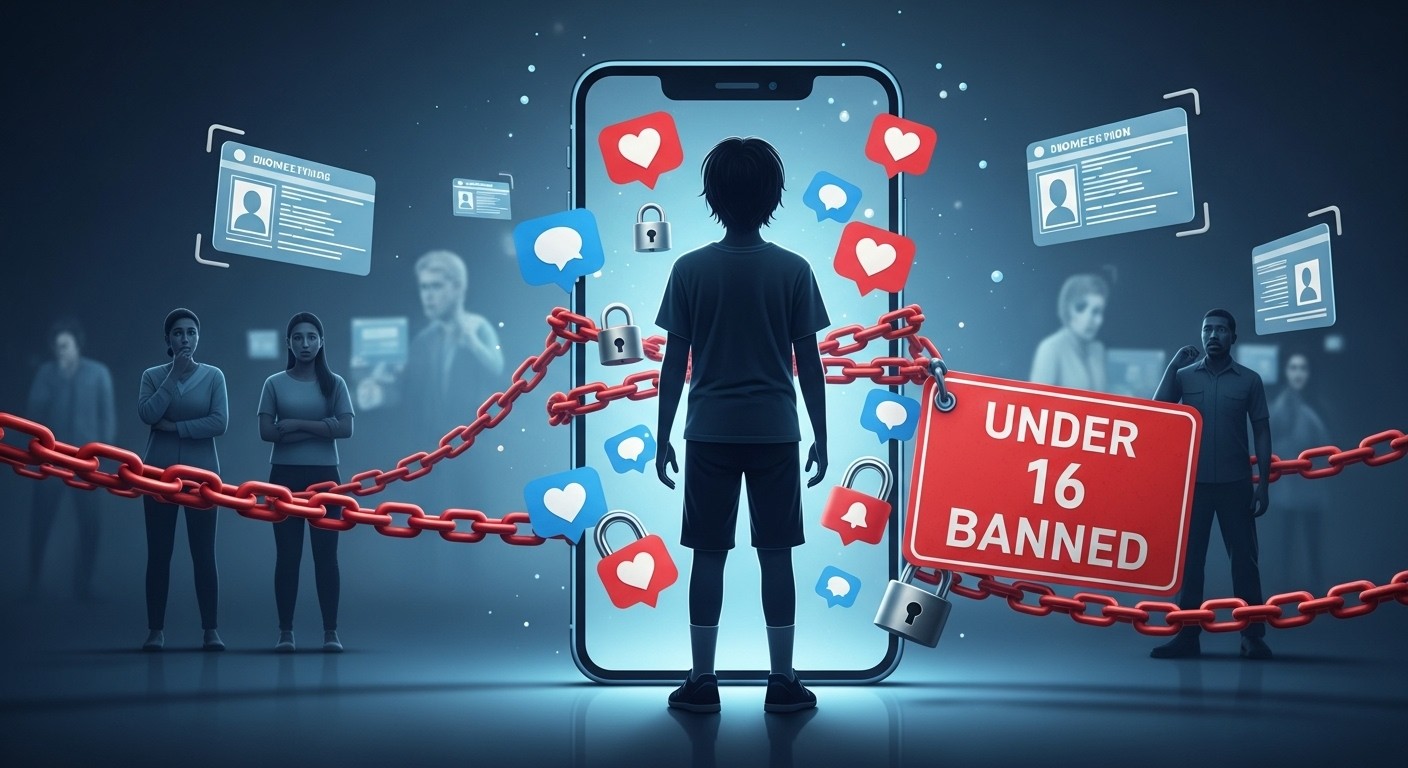
The core of the policy involves a comprehensive ban on social media platforms for individuals under the age of 16. This measure, described as a “necessary step to protect the next generation,” is intended to limit exposure to content that may contribute to anxiety, cyberbullying, or inappropriate material. The restrictions will apply to all major platforms, including but not limited to Facebook, Instagram, TikTok, and Snapchat.

Enforcement mechanisms are expected to include biometric verification, such as facial recognition scans, to confirm the age of users attempting to access these platforms. This approach has been highlighted as a key innovation, designed to prevent underage users from circumventing the rules through fake accounts or shared devices.
The prime minister’s office emphasized that the regulations are not a permanent solution but a temporary measure to address immediate risks. “This is a critical intervention to safeguard our youth while we work on long-term strategies to create a safer digital environment,” a spokesperson stated.
Who Is Involved in the Policy Development?
The initiative was spearheaded by the prime minister’s office, in collaboration with the Department of Digital Regulation and a task force comprising child welfare experts, tech industry representatives, and legal advisors. The government has also engaged with international bodies to evaluate the effectiveness of similar policies in other jurisdictions.
Key figures in the debate include the minister for digital affairs, who has been vocal about the need for stricter oversight, and the head of a leading children’s rights organization, who has called for a balanced approach that considers both safety and digital literacy. Tech companies, meanwhile, have expressed concerns about the feasibility of implementing such restrictions, citing challenges related to user verification and data privacy.
Opposition leaders have voiced mixed reactions. Some have supported the move as a necessary response to a growing crisis, while others have questioned the government’s capacity to enforce the rules effectively. “This is a step in the right direction, but we need to ensure that the measures are practical and do not disproportionately affect vulnerable groups,” one opposition representative said.
A Timeline of Key Developments
The push for stricter social media regulations began several months ago, with the prime minister announcing a review of digital safety policies during a national address. Following public consultations and expert reports, the government released a draft proposal in late 2023, which outlined the potential for age-based restrictions.
By early 2024, the policy had gained momentum, with the minister for digital affairs publishing a report that highlighted the correlation between increased social media use and rising rates of anxiety and depression among teenagers. This data became a cornerstone of the government’s argument for intervention.
In the lead-up to the final announcement, the government held a series of meetings with tech firms to discuss compliance and enforcement. A key point of contention was the use of facial recognition technology, which some companies argued could raise privacy concerns. However, the government maintained that the benefits of protecting minors outweighed these risks.
The official announcement was made on [insert date], with the prime minister addressing the public in a live broadcast. The policy is set to take effect in [insert timeframe], pending final legal approvals and technical implementation.
Context: Why This Policy Matters
The decision to impose social media restrictions on minors reflects a broader global conversation about the role of technology in shaping young lives. In recent years, numerous studies have linked excessive screen time to mental health issues, sleep disturbances, and decreased academic performance. These findings have prompted calls for regulatory action in several countries.

The UK has been at the forefront of this movement, with previous initiatives such as the Online Safety Act 2023, which required platforms to prioritize user safety. However, critics argue that these measures have not gone far enough, particularly in addressing the unique vulnerabilities of younger users.
The new policy also comes amid increasing public awareness of the addictive nature of social media. Platforms have been accused of designing algorithms to maximize user engagement, often at the expense of mental well-being. The government’s intervention is seen as an attempt to counteract these practices and establish clearer boundaries
