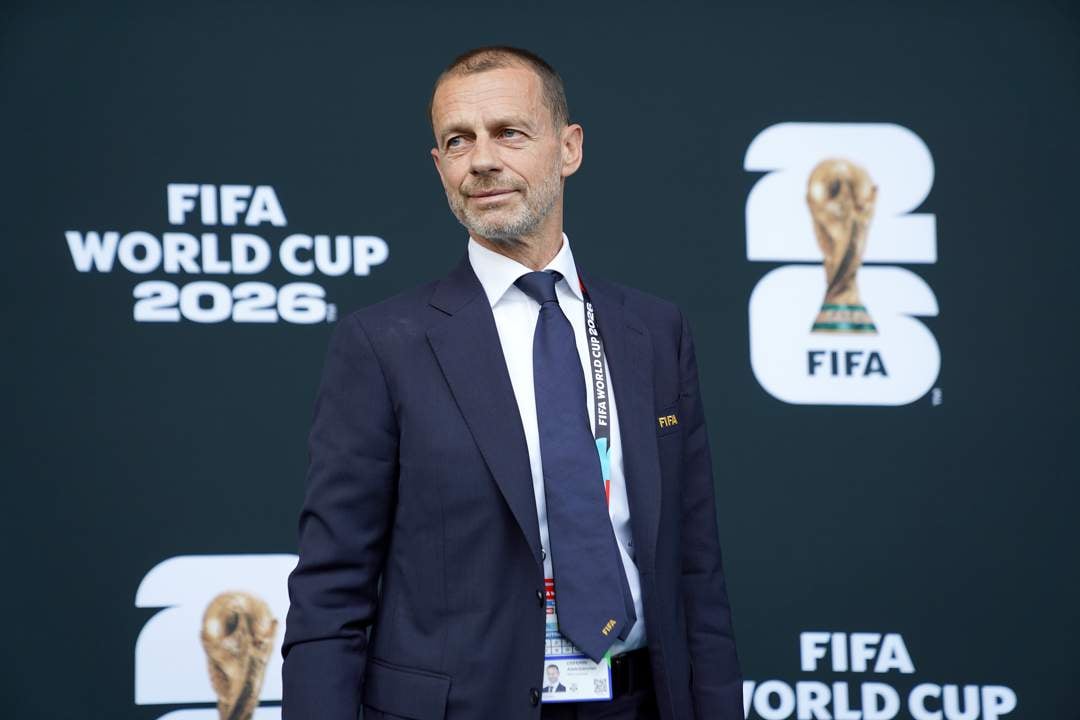
SAFA and 13 Football Federations Condemn UEFA Vice President’s ‘Uninteresting’ World Cup Remarks
The South African Football Association (SAFA) and 13 other national football federations have formally condemned comments made by a UEFA Vice President who described certain aspects of the World Cup as “uninteresting.” This collective diplomatic backlash highlights intensifying friction between European football leadership and global associations regarding the prestige and inclusivity of the tournament.
What triggered the condemnation from SAFA and other federations?
The controversy began when a UEFA Vice President made disparaging remarks characterizing specific elements of the World Cup as “uninteresting.” While the comments were framed as a critique of the tournament’s current trajectory or specific hosting dynamics, they were received by non-European federations as a dismissal of the global nature of the sport. According to reports, the term “uninteresting” served as the catalyst for a coordinated response from nations across different continents.
SAFA, which represents South African football, was among the first to voice its disappointment. The association viewed the remarks not as a technical critique of football operations, but as a slight against the passion and legitimacy of football in regions outside of Europe. The federations involved argue that such language from a high-ranking UEFA official undermines the spirit of unity that FIFA promotes within the international game.
The core of the grievance lies in the perceived Eurocentric bias. By labeling aspects of the world’s most inclusive sporting event as “uninteresting,” the official is seen as delegitimizing the competitive value and cultural significance of matches involving nations from Africa, Asia, and the Americas.
“The comments are seen as a reflection of a narrow perspective that fails to acknowledge the growth and vibrancy of football outside the European continent,” according to sources close to the diplomatic correspondence.
Which nations joined South Africa in criticizing the UEFA official?
A total of 14 federations joined the effort to condemn the UEFA Vice President’s jibe. While SAFA has been the most vocal in the African context, the coalition spans multiple confederations, indicating that the offense was not limited to a single region. This cross-continental alliance suggests a shared sentiment that UEFA’s leadership may be out of touch with the global expansion of the game.
The unity among these 14 nations is significant because it represents a coordinated diplomatic front. Rather than issuing isolated complaints, these federations aligned their messaging to signal to both UEFA and FIFA that such rhetoric is unacceptable. The list of condemning federations includes a mix of established footballing nations and emerging powers, all of whom view the World Cup as the pinnacle of their sporting achievement.
- SAFA (South Africa): Focused on the insult to the global game’s passion.
- Other African Federations: Emphasizing the importance of respect for CAF-affiliated nations.
- Asian and North American Partners: Expressing concern over the devaluation of non-European competitive narratives.
This collective action serves as a warning that the “old guard” of football administration cannot dismiss the contributions or the excitement generated by the global south without facing institutional pushback.
Why does the “uninteresting” comment spark such a strong reaction?
To an outside observer, a single word like “uninteresting” might seem trivial. However, in the high-stakes world of football diplomacy, language is a proxy for power and respect. For SAFA and its allies, the comment touches on several deep-seated issues within the sport.
The Legacy of the 2010 World Cup
For South Africa, the World Cup is not just a tournament but a symbol of national identity and global integration. Having hosted the 2010 FIFA World Cup, SAFA is acutely aware of the effort required to bring the tournament to Africa and the immense joy it brought to millions. Any suggestion that the tournament—or parts of it—is “uninteresting” is viewed as a direct insult to that legacy.
The Fight Against Eurocentrism
There is a long-standing tension between UEFA (the European governing body) and the rest of the world. UEFA manages the Champions League and the European Championship, both of which are massive commercial successes. Critics often argue that UEFA officials view the World Cup through a lens where only European clashes are “interesting,” while matches between other nations are seen as secondary. The Vice President’s comments provided a concrete example of this perceived arrogance.
The Value of Global Representation
The World Cup’s primary value is its universality. When a leader of one of the most powerful footballing bodies suggests that parts of the event lack interest, it threatens the commercial and emotional value of the tournament for sponsors, fans, and players in those “uninteresting” regions.
| Perspective | UEFA Official’s Implied View | SAFA & Allied Federations’ View |
|---|---|---|
| Tournament Value | Driven by elite European quality. | Driven by global diversity and passion. |
| Competitive Interest | Some regions/matches lack appeal. | Every nation’s journey is significant. |
| Diplomatic Tone | Candid or critical analysis. | Dismissive and disrespectful. |
How does this conflict fit into the broader UEFA-FIFA power struggle?
This incident is not an isolated event but a symptom of the ongoing tension between UEFA and FIFA. While the two organizations must work together, they often clash over the direction of the global game, particularly regarding the expansion of the World Cup.

FIFA has pushed for a larger World Cup (moving toward 48 teams) to increase global representation and revenue. UEFA has historically been more cautious, with some officials fearing that expanding the tournament would dilute the quality of the competition—making it, in their words, “uninteresting.”
When a UEFA Vice President uses such language, it is often interpreted as a coded critique of FIFA’s expansion policy. By attacking the “interest level” of the tournament, UEFA officials may be indirectly arguing against the inclusion of more teams from Africa, Asia, and North America. SAFA and the other 13 federations recognize this subtext. They are not just fighting against a “jibe,” but against a philosophy that seeks to limit the growth of football outside of Europe.
This power struggle manifests in several ways:
- Slot Allocation: Disputes over how many berths each confederation receives in the World Cup.
- Calendar Conflicts: Clashes between the European club season and international windows.
- Governance: The influence of European officials within the FIFA Council.
By condemning the remarks, SAFA is positioning itself as a defender of the “Global Game” against the “European Game.” This alignment strengthens the bond between non-European confederations, potentially creating a voting bloc that can challenge UEFA’s influence within FIFA.
What are the potential consequences for international football diplomacy?
The immediate fallout is a strained relationship between the condemning federations and the UEFA leadership. While a single comment rarely leads to a formal break in ties, the cumulative effect of such rhetoric can lead to institutional instability.
Impact on Future Bids
As nations compete to host future World Cups, the perception of respect is crucial. If UEFA officials are seen as dismissive of the regions they are asked to support or participate in, it could lead to friction during the bidding and voting processes. Nations may be less likely to support European initiatives if they feel their own footballing culture is being belittled.
Pressure for a Formal Apology
The 14 federations are likely seeking more than just a quiet retraction. A formal apology from the UEFA Vice President or a statement from UEFA as an organization would be a significant diplomatic victory for SAFA. It would signal an acknowledgement that the “uninteresting” framing was incorrect and offensive.
Strengthening of Non-European Alliances
This incident may accelerate the formation of a more cohesive alliance between CAF (Africa), AFC (Asia), and CONCACAF (North/Central America). When these regions realize they share a common adversary in the form of Eurocentric bias, they are more likely to coordinate their efforts on policy changes, revenue sharing, and tournament structures.
For more on how these dynamics affect the game, see a related explainer on FIFA World Cup hosting requirements.
Common misconceptions about the UEFA-SAFA dispute
Many observers mistake this conflict for a simple personality clash between two officials. However, that is an oversimplification. This is an institutional conflict regarding the definition of “quality” in football.
Misconception: The dispute is only about one word.
Reality: The word “uninteresting” is a symbol of a larger debate about whether the World Cup should prioritize “elite quality” (which often means European teams) or “global inclusivity” (which means representation from all corners of the earth).
Misconception: Only South Africa is upset.
Reality: The fact that 14 different federations signed on to the condemnation shows that this is a systemic issue. It is a collective rejection of a specific worldview that has dominated football for decades.
Misconception: This will have no impact on the pitch.
Reality: While it doesn’t change how a ball is kicked, it changes how teams are treated, how tournaments are marketed, and how resources are allocated. Respect in the boardroom often translates to support in the stadium.
Frequently Asked Questions
Why did SAFA condemn the UEFA Vice President?
SAFA condemned the official because he described parts of the World Cup as “uninteresting,” which was viewed as a dismissive and disrespectful comment toward the passion and legitimacy of football in non-European nations.

How many federations joined South Africa in this protest?
A total of 14 national football federations joined SAFA in condemning the remarks, representing a broad coalition of nations across different continents.
What is the significance of the word “uninteresting” in this context?
In football diplomacy, calling a tournament or region “uninteresting” is seen as a critique of the quality and value of the game in those areas. It suggests a Eurocentric bias where only European football is considered high-value or exciting.
Does this affect the actual World Cup matches?
No, these comments do not change the rules or the scheduling of matches. However, they do affect the diplomatic relations between the governing bodies (UEFA and FIFA) and the national associations that manage the players.
Is this related to the expansion of the World Cup?
Yes. Many analysts believe that criticisms regarding the “interest level” of the tournament are linked to opposition against expanding the World Cup to 48 teams, as some European officials fear this will lower the overall quality of the event.
The ongoing tension between the vision of a truly global sport and the desire to maintain an elite European standard continues to shape the administrative landscape of football. As SAFA and its allies push back against dismissive rhetoric, the conversation shifts toward a more equitable distribution of respect and power within the beautiful game.
