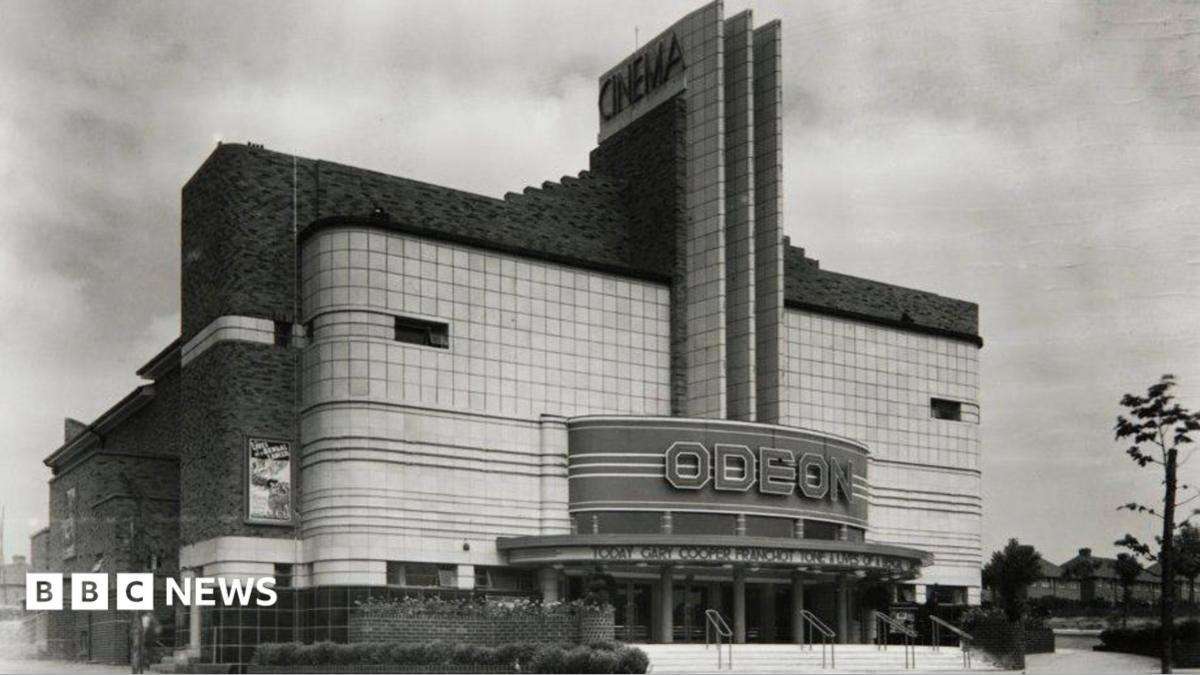
Call to Save ‘Striking’ Art Deco Building: Campaign Launches After Taunton Bingo Hall Closes
A campaign has launched to preserve a “striking” Art Deco building in Taunton following the closure of its historic bingo hall. According to reports from the BBC and the Somerset County Gazette, Somerset Council has provided confirmation regarding the future of the site after what was described as a “disappointing” closure of the venue.
What happened to the Taunton Art Deco bingo hall?
The historic bingo venue in Taunton has ceased operations, marking what local residents and reporters have called the “end of an era.” According to The Somerset Leveller, the closure has sparked an immediate community response, with campaigners pushing for the building to be saved and for a new venue to be established to replace the lost social hub.
The building is noted for its distinct Art Deco architecture, a style characterized by geometric shapes and bold lines that became popular in the early 20th century. While the business operating inside has shuttered, the physical structure remains a point of contention between those who view it as a commercial asset and those who see it as an irreplaceable piece of local heritage.
The closure follows a pattern of decline in traditional physical gaming halls. As reported by Yahoo News UK, Taunton previously experienced a period of national bingo resurgence, where the activity became a central part of the town’s social fabric. The current closure represents a reversal of that trend, leaving a void in the community’s leisure options.
Why is the building considered architecturally significant?
The “striking” nature of the building, as highlighted by the BBC, stems from its Art Deco design. This architectural movement, which peaked in the 1920s and 30s, is often associated with luxury, modernity, and the “Machine Age.” In the context of British town centers, Art Deco cinema and bingo halls often serve as the last remaining examples of this aesthetic.
Architectural historians often point to several key features that make such buildings valuable:
- Geometric Symmetry: Use of rectangles, spheres, and stepped forms.
- Bold Ornamentation: Stylized motifs and streamlined edges that suggest speed and progress.
- Social History: These buildings were designed as “palaces for the people,” intended to provide an affordable luxury experience for the working class.
Because many Art Deco buildings were demolished during the post-war modernization of UK high streets, the surviving structures in towns like Taunton are increasingly rare. This rarity is what drives the current call to save the building, as proponents argue that once these structures are demolished or heavily modified, the town’s visual history is permanently erased.
How is the community reacting to the closure?
The reaction from the local population has been one of loss and urgency. The Somerset Leveller reports that the closure is viewed as more than just the loss of a business; it is seen as the disappearance of a vital social space. For many, the bingo hall served as a primary defense against social isolation, particularly for older residents.
Campaigners are currently focusing on two primary goals:
- Preservation: Ensuring the “striking” exterior and key interior features of the Art Deco building are protected from demolition.
- Repurposing: Finding a new use for the venue that maintains its role as a community gathering point.
“End of an era” — This sentiment, cited by The Somerset Leveller, reflects a broader feeling that the traditional high street is losing its character to corporate closures and shifting consumer habits.
What is the council’s position on the building’s future?
Somerset Council has stepped into the conversation following the venue’s shutdown. According to the Somerset County Gazette, the council has confirmed the future of the historic bingo hall, though the closure itself was described as “disappointing.”
The council’s role in these scenarios typically involves balancing the need for economic regeneration with the preservation of listed or locally significant buildings. While the Gazette notes that a future has been “confirmed,” the tension remains between the desire for a viable commercial tenant and the community’s demand for a heritage-focused approach.
Local government intervention usually follows one of three paths in these instances:
- Listing Status: Applying for statutory protection to prevent demolition.
- Adaptive Reuse: Encouraging developers to convert the space into apartments, galleries, or community centers while keeping the facade intact.
- Compulsory Purchase: In rare cases, the council may acquire the building if it falls into dereliction.
Is this part of a wider trend of bingo hall closures in the UK?
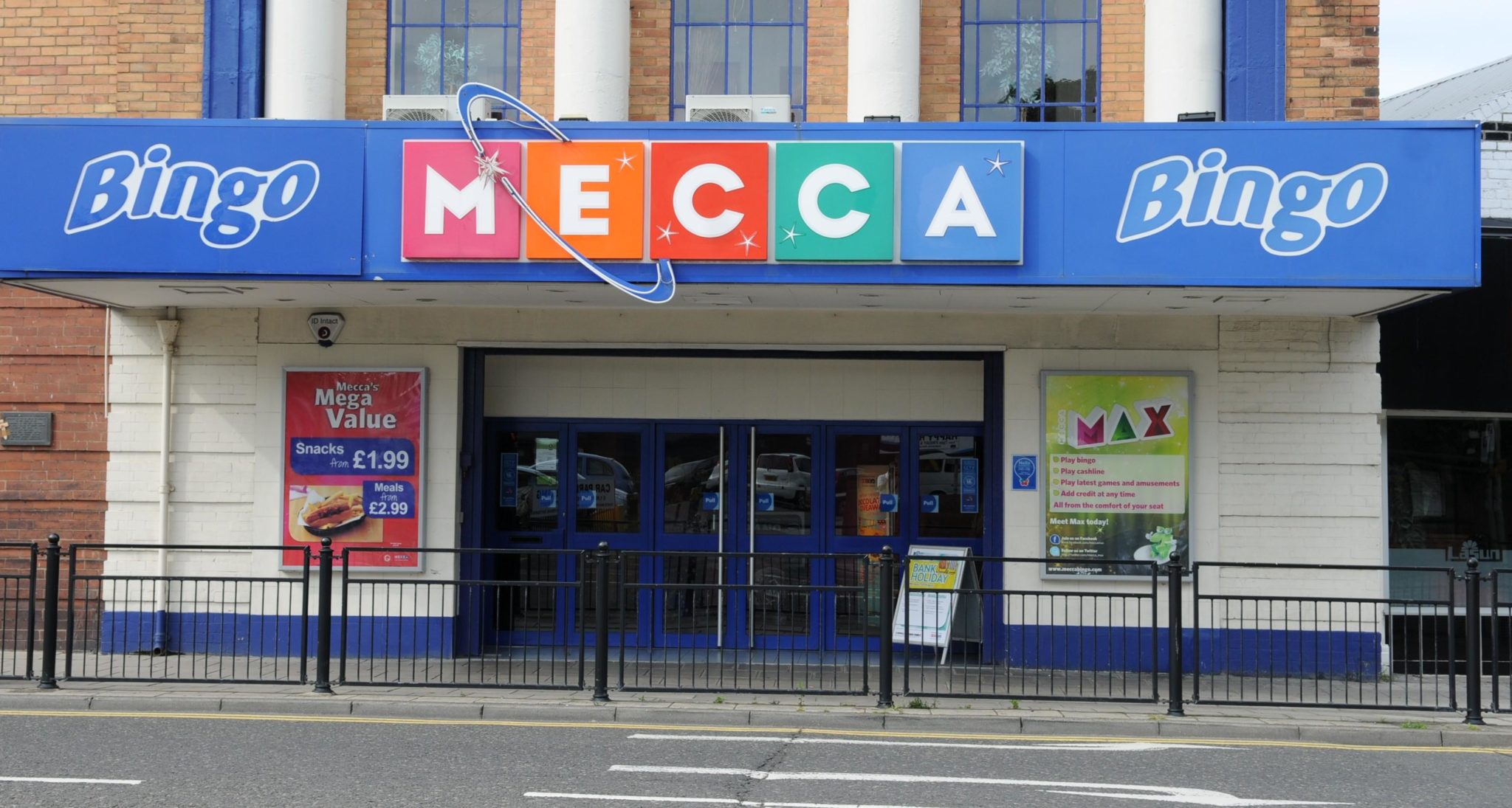
The situation in Taunton is not an isolated incident. Evidence of a national decline in traditional bingo halls is visible in other cities. For example, thestar.co.uk reported that Mecca Bingo bosses issued a statement regarding the closure of a venue in Sheffield after 55 years of operation.
The parallel between the Taunton and Sheffield closures suggests a systemic shift in the gaming and leisure industry. The decline can be attributed to several factors:
| Factor | Impact on Physical Halls | Alternative Trend |
|---|---|---|
| Digital Shift | Lower footfall as players move to apps. | Rise of online bingo and mobile gaming. |
| Overhead Costs | High maintenance for large, old buildings. | Smaller, more efficient gaming hubs. |
| Demographics | Aging core customer base. | Failure to attract younger “millennial” players. |
The Sheffield case, as reported by thestar.co.uk, underscores the longevity of these institutions, with some operating for over half a century. When these venues close, they take with them decades of social history, which explains why the “call to save” the building in Taunton has gained such traction.
Comparing the Taunton and Sheffield closures
While both Taunton and Sheffield have seen the loss of long-standing bingo venues, the narratives surrounding the two events differ. In Sheffield, the focus was heavily on the corporate statement from Mecca Bingo and the operational end of a 55-year business run. The reporting emphasized the business decision and the end of a corporate tenure.
In contrast, the Taunton story, as framed by the BBC and local Somerset outlets, is centered on architectural preservation. The “striking” nature of the Art Deco building has shifted the conversation from a business failure to a cultural loss. While Sheffield’s story is one of corporate exit, Taunton’s story is one of community activism and heritage protection.
This distinction is important because it highlights the different ways communities value these spaces. Some see them as businesses that have outlived their utility, while others see the physical shell of the building as a landmark that transcends the business that once occupied it.
The history of bingo’s resurgence in Taunton
To understand why the current closure is so poignant, it is necessary to look at the town’s relationship with the game. Yahoo News UK provided a retrospective on how Taunton once embraced a national bingo resurgence. This period saw bingo evolve from a niche activity into a mainstream social phenomenon.
During the resurgence, bingo halls became “third places”—spaces that are neither home nor work, where people could gather for low-cost entertainment. This period of growth solidified the bingo hall’s place in the town’s identity. The Art Deco building provided a glamorous backdrop to this social boom, blending the elegance of the architecture with the populist appeal of the game.
The transition from that peak of popularity to the current “disappointing” closure reflects broader economic changes in the UK’s regional towns. The loss of these venues often signals a decline in the “social glue” that holds diverse age groups together in a shared physical space.
Common misconceptions about building preservation
When calls to “save” a building arise, there are often misunderstandings about what “saving” actually means. A common misconception is that preservation requires the building to return to its original use. In the case of the Taunton bingo hall, saving the building does not necessarily mean bringing back bingo.
Preservationists generally advocate for facadism or adaptive reuse. Facadism involves keeping the exterior shell of the building while completely rebuilding the interior for a new purpose. Adaptive reuse is more holistic, attempting to keep the internal spirit and layout of the building while changing its function—for example, turning a bingo hall into a library, a cinema, or a multi-use community hub.
Critics of preservation often argue that keeping old buildings is too expensive or hinders economic growth. However, proponents argue that unique architecture attracts tourism and provides a “sense of place” that modern, generic developments cannot replicate.
The role of the “striking” aesthetic in public campaigns
The use of the word “striking” in the BBC’s reporting is significant. In heritage campaigns, the visual appeal of a building often determines the level of public support. A plain brick warehouse is rarely the subject of a high-profile “save our building” campaign, whereas an Art Deco structure, with its inherent glamour and visual impact, can mobilize a community.
This aesthetic value creates a powerful narrative: the idea that the town is losing a “jewel.” This framing helps campaigners move the conversation beyond the nostalgia of bingo and into the realm of urban planning and civic pride. By focusing on the architecture, the campaign expands its appeal to people who may have never played a game of bingo but value the town’s visual heritage.
Frequently Asked Questions
Is the Taunton bingo hall still open?
No, the venue has closed. According to The Somerset Leveller and the Somerset County Gazette, the closure has been described as “disappointing” and marks the “end of an era” for the facility.
What makes the Taunton building “Art Deco”?
The building is described as “striking” due to its Art Deco style, which typically features geometric shapes, streamlined curves, and bold, symmetrical designs popular in the 1920s and 30s.

Who is leading the call to save the building?
The call to save the building is being driven by local campaigners and community members who want to prevent the demolition of the historic structure and find a new, sustainable use for the venue.
Has the council decided what will happen to the site?
The Somerset County Gazette reports that the council has “confirmed the future” of the historic bingo hall, though specific details on the new use of the building are often subject to planning permissions and developer agreements.
Are other bingo halls closing across the UK?
Yes. As reported by thestar.co.uk, other long-standing venues, such as the Mecca Bingo in Sheffield which operated for 55 years, have also closed, indicating a wider trend of decline in physical bingo halls.
For those interested in how historic sites are managed, a related explainer on building preservation laws may provide further context on the legal protections available for Art Deco structures.
