14:20 Downpatrick Racecard & Runners: Analysis for Sunday, June 14
The 14:20 at Downpatrick on Sunday, June 14, features a competitive field of runners competing on one of the most challenging and idiosyncratic courses in the British Isles. According to official racecard listings, this event is a focal point of the afternoon’s schedule, drawing attention from bettors and racing enthusiasts focusing on the specific demands of the Northern Irish track.
Understanding the 14:20 Downpatrick Racecard & Runners
The racecard for the 14:20 at Downpatrick provides the essential data required to evaluate the probability of victory. This includes the horse’s official rating (OR), the weight assigned by the handicapper, and the recent form figures. In horse racing, the “runners” are the horses officially declared to start, but the “racecard” is the broader document detailing the conditions of the race, such as the distance and the ground going.
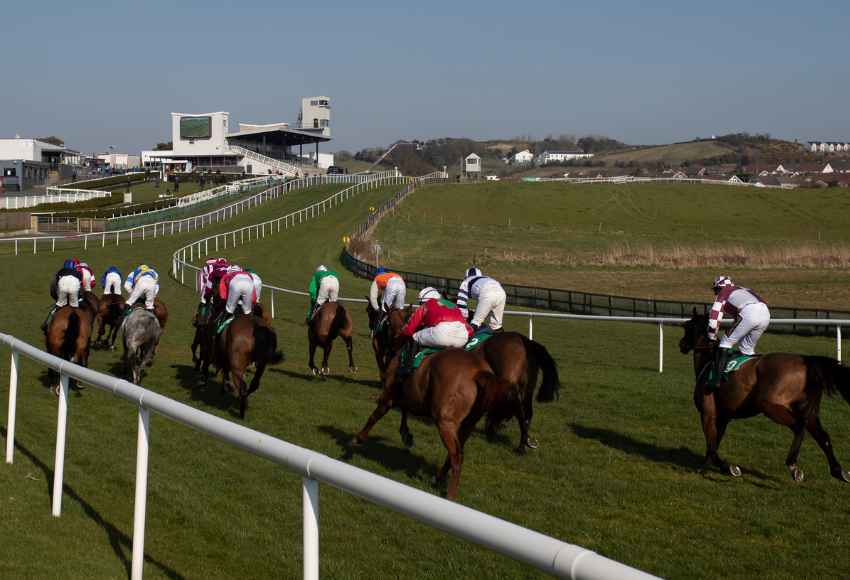
According to historical data from Racing Post, Downpatrick is not a standard galloping track. It is characterized by a steep camber and significant undulations that can disrupt the rhythm of a horse. For the 14:20, these physical attributes often matter more than a horse’s raw speed. A runner that has previously performed well at this venue typically holds a tactical advantage over a horse with a superior record at flatter tracks like Leopardstown or Fairyhouse.
- Official Rating (OR): A numerical value assigned to a horse to ensure competitive handicapping.
- Weight: The total load a horse carries, including the jockey and equipment.
- Form: A sequence of numbers (e.g., 1241) indicating the horse’s finishing position in previous races.
- Going: The condition of the ground, which can range from “Firm” to “Heavy.”
Why the Downpatrick Course Influences the 14:20 Results
Downpatrick is widely regarded by professionals as one of the most difficult tracks for horses to handle. The course is not symmetrical, and the camber—the slope of the track—is pronounced. This means horses often drift or struggle to maintain a straight line, particularly during the final stretch.
According to course analysts, the 14:20 runners must possess a specific type of balance. Horses that are “top-heavy” or lack agility often struggle with the downhill sections. Conversely, nimble runners who can negotiate the turns without losing momentum tend to dominate. This creates a scenario where a lower-rated horse with “course and distance” (C&D) experience can outrun its odds against a higher-rated favorite.
| Track Feature | Impact on 14:20 Runners | Strategic Advantage |
|---|---|---|
| Steep Camber | Causes horses to drift outward | Jockeys who hold a tight line |
| Undulating Terrain | Interrupts galloping rhythm | Balanced, agile horses |
| Tight Bends | Favors tactical positioning | Front-runners or nimble closers |
Analyzing Ground Conditions for June 14
The “going” is a critical variable for the 14:20 race. By mid-June, the ground in Northern Ireland typically leans toward “Good” or “Good to Firm,” though sudden Atlantic weather systems can shift this to “Soft” within hours. According to meteorological trends for the region, June racing often sees faster times than the winter jumps season, but the turf remains susceptible to local drainage patterns.
A horse that prefers “Soft” ground will struggle if the 14:20 is run on “Good to Firm” turf, as the impact on their joints is greater and they cannot find the same traction. Conversely, “fast-ground” specialists will have a significant edge. Bettors are advised to check the official going report issued by the clerk of the course shortly before the 14:20 start to confirm the current state of the track.
“The unique topography of Downpatrick means that the interaction between the ground condition and the camber is the primary driver of race results.”
Trainer and Jockey Trends at Downpatrick
Success at Downpatrick is often a matter of familiarity. Certain trainers specialize in preparing horses for this specific venue, knowing exactly how to train for the undulating terrain. According to racing statistics, trainers who regularly send runners to Downpatrick often have a higher strike rate than those who only visit occasionally.
The jockey’s role is equally vital. Because of the camber, the 14:20 requires a rider who knows where to position the horse to avoid being pushed wide. A jockey with a high win percentage at this track understands the “invisible lines” of the course. They know exactly when to ask for a maximum effort and how to balance the horse during the descent.
When reviewing the runners for the 14:20, look for the following combinations:
- Course Specialists: Horses that have won at Downpatrick previously.
- Local Experts: Jockeys and trainers with a proven track record at this specific venue.
- Weight Shifts: Horses that have dropped in the weights (lower OR) since their last outing.
Common Misconceptions About the 14:20 Racecard
Many casual observers make the mistake of relying solely on the “favorite” based on the horse’s overall career record. In the context of the 14:20 at Downpatrick, this is often a flawed strategy. A horse may have won three races at a flat track but fail miserably here because it cannot handle the slope.
Another misconception is that the highest-rated horse always has the advantage. In handicap races, the weight is designed to level the playing field. A horse carrying 11st 12lb (stone and pounds) may find the Downpatrick hills far more taxing than a horse carrying 10st 2lb. The weight-to-power ratio becomes amplified on an undulating course.
Finally, some believe that the “going” is uniform across the track. According to track reports, certain sections of the Downpatrick course can be softer than others, particularly near the rails or in the dips. This means a horse’s position in the race can either help or hinder them depending on the moisture levels of the specific patch of grass they are running on.
Comparing Downpatrick to Other Regional Tracks
To understand why the 14:20 is unique, it helps to compare Downpatrick to other venues in the region. For instance, tracks like Punchestown are known for being more expansive and “fairer” in terms of layout. At Punchestown, the best horse usually wins. At Downpatrick, the most adaptable horse usually wins.
While a race at a standard track is a test of stamina and speed, the 14:20 at Downpatrick is a test of balance and agility. This difference is why the betting markets for Downpatrick races often see more volatility; the “experts” are frequently surprised by a long-shot runner that simply handles the camber better than the favorites.
For those looking for more context on regional racing, a related explainer on Irish National Hunt racing provides a deeper look at how these venues differ across the island.
Strategic Betting Approach for the 14:20
For those analyzing the 14:20 racecard, a systematic approach is more effective than following a single tip. The most reliable method involves crossing three data points: Course History, Ground Preference, and Current Weight.
- Course History: Filter the runners for those who have finished in the top three at Downpatrick in the last 24 months.
- Ground Preference: Compare the current “going” (e.g., Good to Soft) with the horse’s best career performances.
- Weight Analysis: Check if the horse is “well-handicapped,” meaning its current rating is lower than its peak performance rating.
If a runner satisfies all three criteria, they represent a higher-value bet regardless of their starting price. This data-driven approach removes the emotion from the wager and focuses on the physical realities of the 14:20 event.
Key Data Points for the Sunday, June 14 Event
The schedule for Sunday, June 14, is designed to maximize spectator engagement, with the 14:20 serving as a pivotal mid-card race. Because it occurs in the afternoon, the temperature and sun exposure can affect the “going,” potentially drying out the track further by the time the 14:20 starts compared to the earlier races.
According to event organizers, the 14:20 is often a “bridge” race, where horses are being tested for higher-grade competitions later in the summer. This means some trainers may not be running their horses at 100% capacity, instead using the race as a fitness exercise. Identifying these “prep runs” is key to avoiding traps in the betting market.
For a complete view of the day’s events, you may want to check a guide to reading horse racing form to better understand the symbols used in the official runners list.
Frequently Asked Questions About the 14:20 Downpatrick Race
What time does the 14:20 Downpatrick race start?
The race is scheduled to begin at 14:20 local time on Sunday, June 14. However, it is common for races to be delayed by a few minutes due to loading issues or veterinary checks.
Where can I find the confirmed runners for the 14:20?
The confirmed runners are listed on the official racecard. These are typically finalized 48 hours before the race, although “non-runners” (horses withdrawn) are announced on the morning of the event.
How does the camber at Downpatrick affect the 14:20?
The camber causes horses to drift, often pushing them away from the inner rail. This can result in horses covering more ground than necessary, favoring those with a jockey who can maintain a tight, efficient line.
What is the best way to predict the winner of the 14:20?
The most reliable indicator is “Course and Distance” (C&D) form. Horses that have already proven they can handle the specific undulations and camber of Downpatrick have a statistical advantage over those who haven’t.
Does the weather on June 14 impact the race?
Yes. The weather determines the “going.” If it rains heavily before 14:20, the ground will become “Soft,” favoring horses with high stamina and a preference for mud. Sunny weather will lead to “Good” or “Firm” ground, favoring speedier horses.
Final Considerations for the 14:20
The 14:20 at Downpatrick is more than just a race; it is a tactical puzzle. The combination of the date, the specific venue, and the field of runners creates a unique set of variables. Success in predicting the outcome requires looking beyond the surface-level stats and understanding the physical struggle between the horse and the terrain.
As the 14:20 approaches, keep a close eye on the parade ring. Horses that appear nervous or unsettled may struggle even more with the erratic nature of the Downpatrick course. A calm, balanced horse is the ideal candidate for a track that demands composure under pressure.
For further analysis on similar events, consider a comparison of Northern Irish racecourses to see how Downpatrick stacks up against its peers in terms of difficulty and betting patterns.
