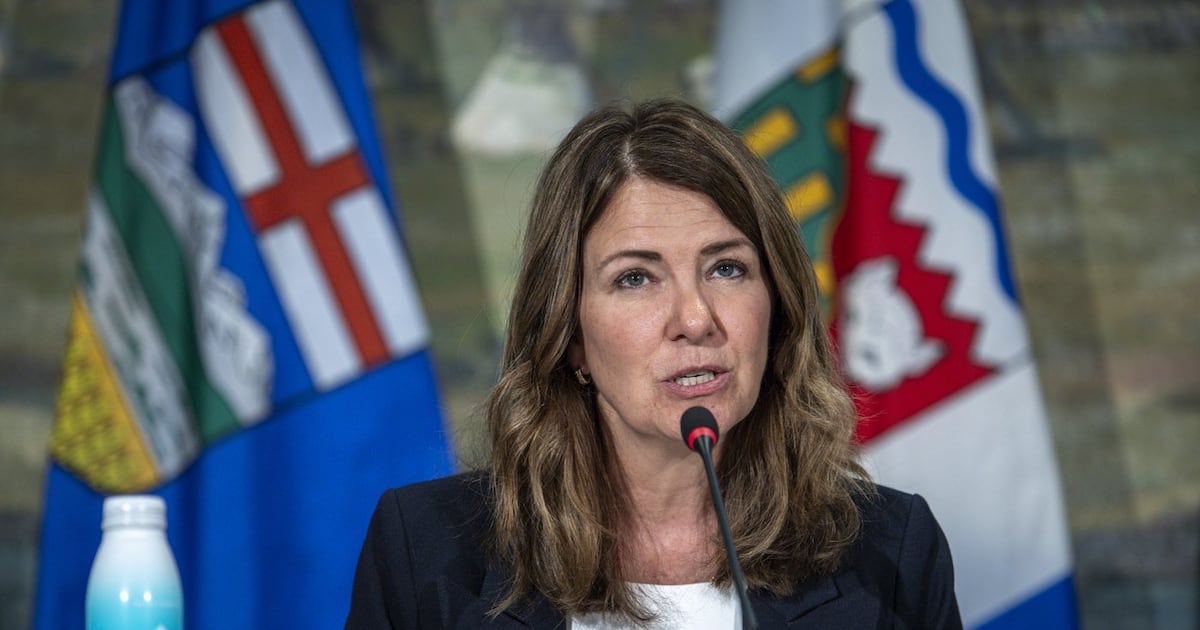
Premier Danielle Smith Addresses Disability Benefits Following Death of AISH Recipient
Premier Danielle Smith defended Alberta’s disability benefit modifications following the suicide of an Assured Income for Severely Handicapped (AISH) recipient in Empress. The man reportedly expressed significant fear regarding the transition of disability benefits before his death, according to reports from CTV News and Medicine Hat News.
The Death of an AISH Recipient in Empress
A man residing in Empress, Alberta, died by suicide after voicing concerns over changes to the province’s disability support systems. According to reports from Medicine Hat News and CTV News, the individual was a recipient of the Assured Income for Severely Handicapped (AISH) program. Before his death, the man communicated fears that changes to his benefits would jeopardize his stability and well-being.
Family members and community advocates have pointed to the stress of navigating benefit transitions as a contributing factor. The deceased had expressed specific anxiety regarding how the Alberta government was restructuring disability supports, fearing a loss of essential income or services. This incident has sparked a wider conversation about the psychological impact of policy shifts on vulnerable populations who rely entirely on government transfers for survival.
The tragedy in Empress highlights a growing tension between the provincial government’s administrative goals and the lived experience of recipients. While the government frames these changes as updates or improvements, the case in Empress suggests that for some, the uncertainty of transition can be catastrophic.
How Premier Danielle Smith Addresses Disability Benefits Following Death of AISH Recipient – CTV News
In response to the tragedy and subsequent public outcry, Premier Danielle Smith has defended the government’s approach to disability benefits. According to Yahoo News Canada, Smith stood by the current AISH changes and the implementation of the Alberta Disability Assistance Program (ADAP).
The Premier’s defense centers on the argument that the government is working to modernize the system. Smith has asserted that the changes are designed to ensure the long-term sustainability of supports and to better align them with the needs of Albertans. However, critics argue that this high-level administrative perspective ignores the immediate, acute stress felt by individuals who fear their lifeline is being altered.
“The government maintains that its updates to disability supports are necessary for the system’s evolution, even as advocates point to the human cost of that transition,” according to reporting on the Premier’s stance.
The administration’s response has focused on the technical implementation of ADAP, suggesting that the transition is a structured process. Despite these assurances, the government has not detailed specific safeguards implemented to prevent the kind of mental health crisis seen in the Empress case.
Understanding AISH and the Cause of Recipient Alarm
To understand why a transition in benefits could lead to such extreme distress, it is necessary to look at the role of AISH in Alberta. The Assured Income for Severely Handicapped program is designed to provide a basic income and health benefits to Albertans with a permanent disability that prevents them from earning a living.
For many recipients, AISH is not merely a supplement; it is their sole source of income. This creates a high-stakes environment where any perceived threat to the benefit—whether through a change in eligibility, a shift in how payments are processed, or a transition to a new program like ADAP—can be interpreted as a threat to their housing and food security.
Why Transitions Cause Anxiety
- Income Stability: Any gap in payments during a transition can lead to immediate financial crisis.
- Administrative Burden: People with severe disabilities often struggle with the paperwork and bureaucratic hurdles required to “transition” to a new program.
- Loss of Predictability: For individuals with high anxiety or cognitive disabilities, the removal of a known system in favor of an unknown one can be overwhelming.
The fear expressed by the man in Empress was not an isolated sentiment. Disability advocates have frequently warned that “streamlining” or “modernizing” benefits often translates to increased scrutiny or reduced access for those who cannot navigate complex government portals.
The Role of ADAP in Alberta’s Disability Transition
The Alberta Disability Assistance Program (ADAP) is a central piece of the government’s current strategy. As reported by Yahoo News Canada, Premier Smith has defended the implementation of ADAP as a way to refine how disability supports are delivered.
The government’s goal with ADAP is to create a more cohesive framework for disability assistance. In theory, this should lead to better coordination of services. In practice, however, the transition period is where the most risk occurs. When a government moves recipients from one program to another, there is often a period of “re-certification” or “assessment.”
For a recipient, “re-certification” can feel like a trial. The fear is that a different caseworker or a new set of criteria might lead to a determination that they are no longer “disabled enough” to qualify for the same level of support. This systemic anxiety is what advocates believe contributed to the desperation felt by the man in Empress.
Comparing the Government Narrative vs. Recipient Reality
There is a stark contrast between how the UCP government characterizes its disability policy and how those policies are experienced on the ground. The following table outlines these competing perspectives based on official statements and reports from the affected community.
| Perspective | Government Narrative (Premier Smith) | Recipient/Advocate Perspective |
|---|---|---|
| Goal of Changes | Modernization and sustainability of the system. | Cost-cutting and increased barriers to access. |
| ADAP Implementation | A structured transition to a better framework. | A confusing and frightening bureaucratic shift. |
| Impact of Policy | Improved efficiency in benefit delivery. | Increased mental health strain and financial insecurity. |
| Communication | Clear guidelines provided for the transition. | Vague instructions leaving recipients in limbo. |
This disconnect is a primary driver of the current controversy. While the government speaks in terms of “frameworks” and “implementation,” recipients speak in terms of “survival” and “fear.” The death in Empress serves as a concrete example of what happens when these two perspectives collide.
The Broader Implications for Alberta’s Social Safety Net
The fallout from the death of the AISH recipient in Empress extends beyond a single policy change. It raises fundamental questions about the duty of care the province owes to its most vulnerable citizens during periods of administrative change.
When a government alters a social safety net, the “transition period” is often treated as a technicality. However, for those with severe disabilities, the transition is a lived experience. If the process lacks sufficient mental health supports or clear, personalized guarantees of income continuity, the risk of crisis increases.
Potential Systemic Failures
Critics suggest that the Alberta government may have underestimated the psychological impact of the AISH-to-ADAP shift. The failure to provide a “no-loss” guarantee—a promise that no one will see their benefits decrease during the transition—is a common point of contention in social policy. Without such a guarantee, the transition process itself becomes a source of trauma.
Furthermore, the reliance on digital transitions can alienate those who lack the technology or the cognitive ability to manage their benefits online. This “digital divide” adds another layer of stress to an already precarious situation.
Accountability and the Path Forward
The tragedy has led to calls for an immediate review of how the Alberta government communicates benefit changes. Advocates are demanding that the province implement a more compassionate approach to the ADAP transition, including:
- Direct Case Management: Assigning human representatives to guide recipients through the transition rather than relying on automated systems.
- Mental Health Integration: Providing immediate access to counseling for those expressing distress over benefit changes.
- Explicit Income Guarantees: Issuing written assurances that the transition will not result in a reduction of monthly payments.
Premier Smith’s decision to defend the changes suggests that the government does not currently see the need for a fundamental pivot in strategy. However, the public pressure resulting from the Empress case may force the administration to at least modify the way these changes are communicated and implemented.
The tension remains: the government views the AISH and ADAP changes as a matter of fiscal and administrative necessity, while the disability community views them as a threat to their basic right to exist with dignity.
Frequently Asked Questions
What is AISH in Alberta?
AISH stands for Assured Income for Severely Handicapped. It is a provincial program that provides monthly financial assistance and health benefits to Albertans who have a permanent medical disability that prevents them from working and earning a living.
What is the ADAP program mentioned by Premier Danielle Smith?
The Alberta Disability Assistance Program (ADAP) is part of the provincial government’s effort to transition and modernize how disability benefits are managed and delivered. Premier Smith has defended its implementation as a way to ensure the system remains sustainable.
Why did the AISH recipient in Empress die by suicide?
According to reports from CTV News and Medicine Hat News, the man expressed profound fears that changes to his disability benefits and the transition to new systems would leave him without necessary support, leading to extreme distress before his death.
How has Danielle Smith responded to the tragedy?
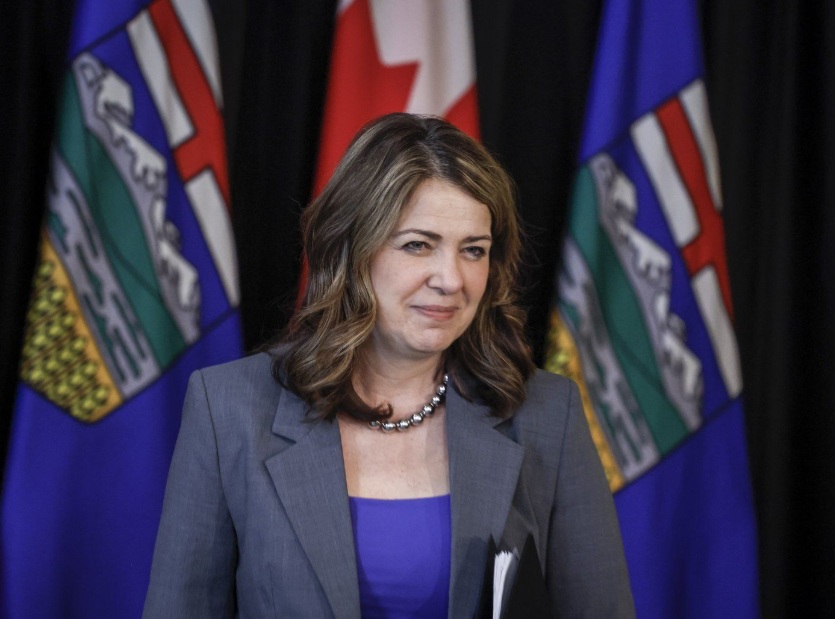
Premier Danielle Smith has defended the AISH changes and the implementation of ADAP, framing the updates as necessary for the evolution of the province’s disability support system.
What are the main concerns of disability advocates regarding these changes?
Advocates are concerned that the transition process is too bureaucratic, lacks sufficient mental health supports, and creates a climate of fear where recipients worry they will lose their only source of income.
The situation continues to evolve as community leaders call for more transparency and compassion in the management of Alberta’s disability benefits. The focus remains on whether the government will adjust its transition strategy to prevent further tragedies among the AISH population.
