
The Hungarian political party Fidesz re-elected Viktor Orbán as its leader on Saturday, reinforcing his continued dominance over the country’s right-wing political landscape despite growing tensions with Slovakia. Orbán, who has led Hungary since 2010, pledged to “never give up” during a party congress, a statement that underscored his resilience amid domestic and regional challenges.
Orbán’s victory comes as Slovakia’s pro-Magyar government, which has a provisional seat in Brussels, faces scrutiny over its policies toward Hungary. The Slovak government, which includes Hungarian minority representatives, has been accused of fostering anti-Hungarian sentiment, a claim denied by officials. Slovak political analyst Ján Blažek, a prominent figure in the Hungarian minority community, remarked that “Slovak-Hungarian relations are so bad they can only improve,” highlighting the fragile state of cross-border ties.
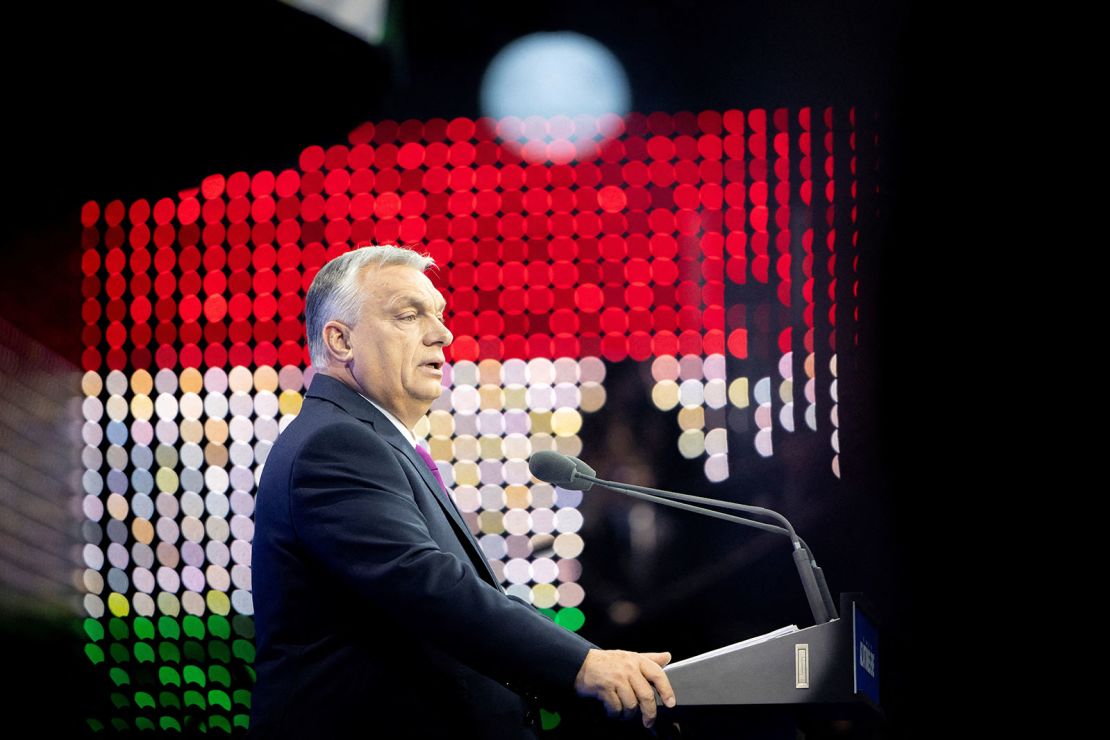
“Nevzdávám se, nikdy, nikdy, nikdy, nikdy,” Orbán declared at the Fidesz congress, a fervent repetition of his refusal to relinquish power. The phrase, translated as “I will not give up, never, never, never, never,” has become a rallying cry for his supporters.
The re-election underscores Orbán’s ability to maintain control over Fidesz, even as the party faces internal calls for reform. Party officials acknowledged the need for “change” but stopped short of challenging Orbán’s leadership. This dynamic has drawn comparisons to earlier periods in Hungarian politics, where centralized power limited institutional checks and balances.
Slovakia’s government, which includes members of the Hungarian Democratic Alliance (MDF), has been under pressure to address allegations of discrimination against the Hungarian minority. The MDF, a key ally of the ruling party, has publicly distanced itself from accusations of fostering hostility, emphasizing its role in advocating for minority rights.
Regional analysts note that the evolving relationship between Hungary and Slovakia could have broader implications for Central European politics. The European Commission has previously expressed concerns about Hungary’s governance, while Slovakia’s stance on Hungarian minority issues remains a sensitive topic in bilateral discussions.
What’s next: Fidesz officials have indicated they will focus on internal restructuring ahead of upcoming local elections, while Slovakia’s government faces growing domestic pressure to address minority concerns. The stability of the pro-Magyar coalition in Bratislava will also be closely watched as the region navigates shifting political landscapes.
