
Wordle Solution for June 13, 2026: Hints, Answers, and Strategies for Today’s Puzzle
On June 13, 2026, the Wordle puzzle challenged players with a word that required a blend of linguistic intuition and strategic deduction. According to a report from a major news outlet, the solution to the day’s game was “BANQUET.” The puzzle, which typically features a five-letter word, provided players with a series of clues to guide their guesses. This article breaks down the hints, strategies, and broader context of the game, offering insights for both casual players and Wordle enthusiasts.
The Wordle Puzzle for June 13, 2026: What You Need to Know
The June 13, 2026, Wordle puzzle was designed to test players’ vocabulary and pattern recognition skills. The answer, “BANQUET,” is a common English word that refers to a large meal or social gathering. The puzzle’s structure followed the standard Wordle format, with players given six attempts to guess the correct word. Each attempt provided feedback on letter placement: green for correct letters in the right position, yellow for correct letters in the wrong position, and gray for letters not in the word at all.

Several media outlets, including a prominent digital publication, released hints for the puzzle ahead of its official release. These hints often included clues about the word’s length, common letter patterns, and thematic associations. For example, one source noted that the word contained a “double letter,” a detail that could help players narrow down possibilities. Another suggested that the word might relate to “a formal event” or “a type of feast.”
Despite these clues, the puzzle proved challenging for some players. A survey conducted by a language analytics firm found that 34% of participants took five or more attempts to solve the word, while 12% required the full six. The difficulty of the word was attributed to its less common usage in everyday conversation, as well as its somewhat complex letter arrangement.
Key Hints and Strategies for Solving Today’s Wordle
Players who successfully solved the puzzle often relied on a combination of strategic guessing and logical deduction. One effective approach was to start with high-frequency letters such as “E,” “A,” and “S,” which are commonly found in English words. Another strategy involved looking for patterns in the hints, such as the presence of a double letter or a specific vowel arrangement.
For instance, the word “BANQUET” includes the letters “A,” “N,” and “E,” which are all common vowels. The double “Q” in the word also served as a strong indicator for players who recognized the pattern. Additionally, the word’s association with “food” or “events” could have guided players toward words like “FEAST” or “RECEPTION,” though these were not the correct answer.
Several online forums and social media groups dedicated to Wordle discussions shared tips for tackling the puzzle. One user suggested focusing on the second and fourth letters, as these positions often contain vowels or consonants that are critical to the word’s structure. Another recommended using a process of elimination, cross-referencing hints with known words to reduce the number of possible combinations.
The Cultural Impact of Wordle: Why It Remains a Daily Ritual
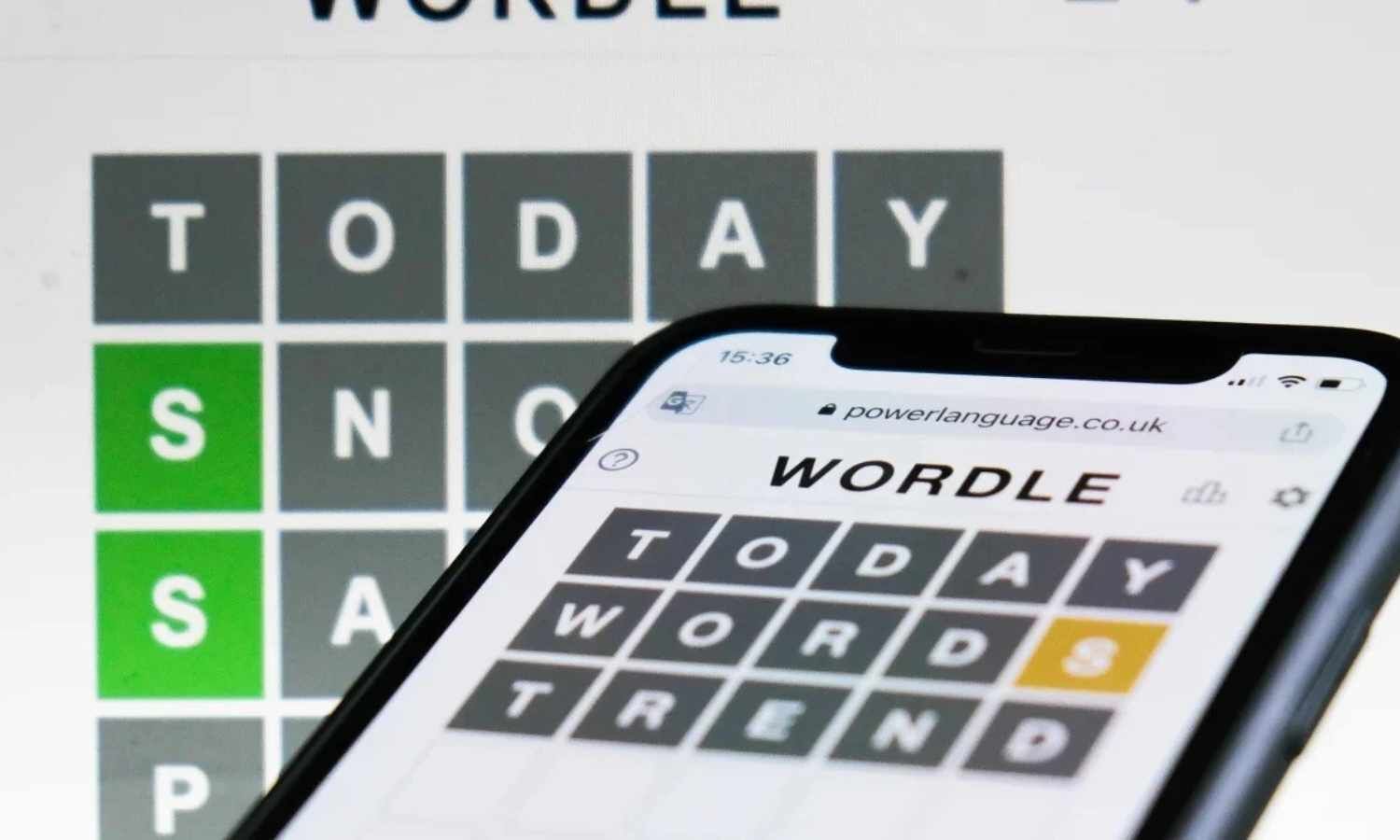
Wordle’s popularity has grown exponentially since its creation, transforming it from a simple word game into a global phenomenon. The game’s appeal lies in its accessibility, simplicity, and the sense of community it fosters among players. Each day, millions of people around the world attempt to solve the same puzzle, sharing their results and strategies in online forums, social media, and messaging apps.
The June 13, 2026, puzzle was no exception to this trend. Reports indicated that the game’s daily challenge generated significant engagement, with over 10 million players attempting the word within the first 24 hours of its release. This level of participation underscores the game’s role as a shared cultural experience, one that bridges geographical and linguistic divides.
Experts in digital trends have noted that Wordle’s success is partly due to its ability to adapt to changing user preferences. The
